“Big hats, big laughs, and even bigger personalities
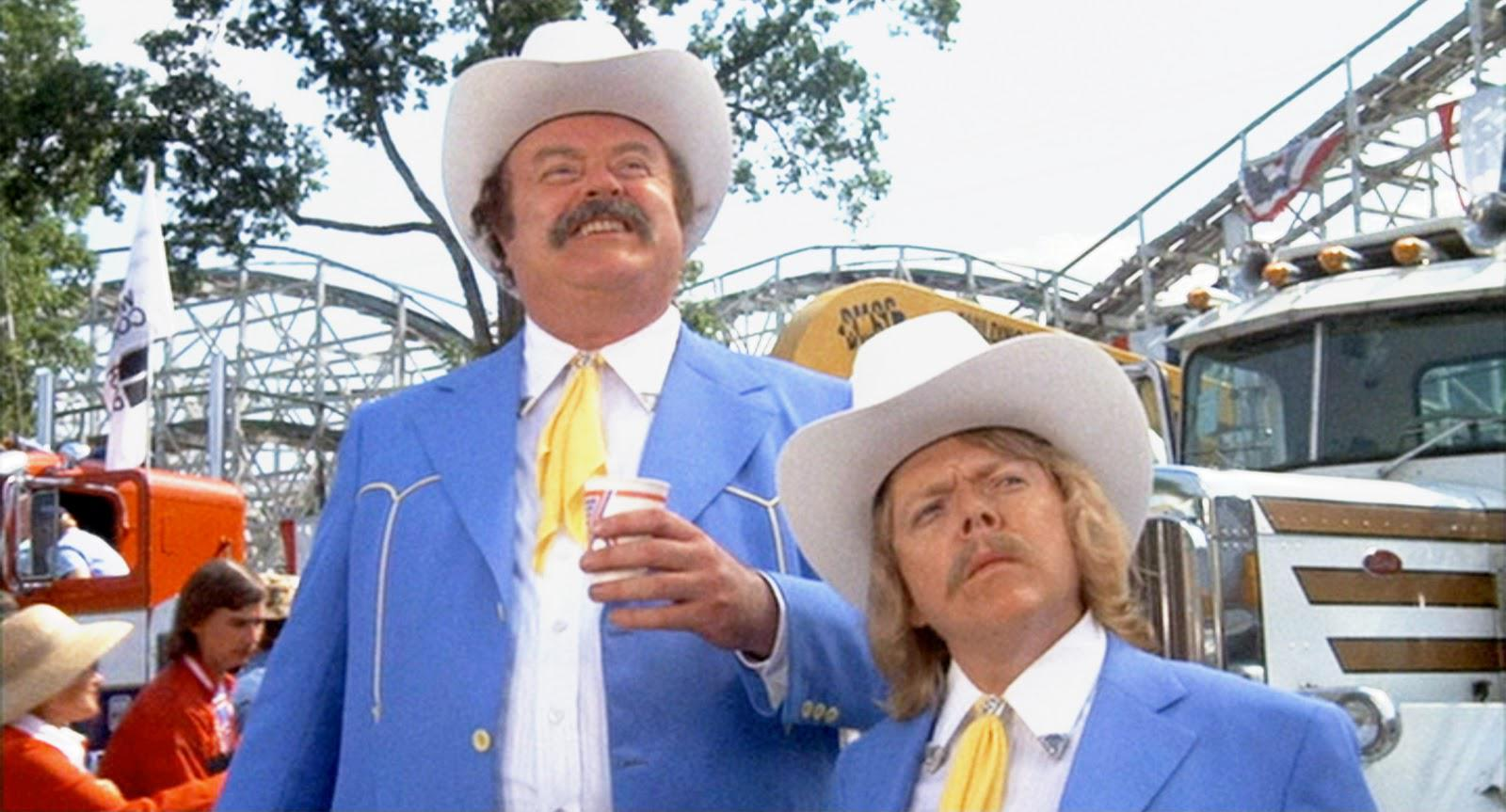
Big & Little Enos Burdette: The Wild, Flashy Duo Who Drove Straight Into Pop Culture History
They weren’t the stars of Smokey and the Bandit — but somehow, they stole every scene they touched. Big and Little Enos Burdette weren’t just comic relief; they were a snapshot of a very specific time in Hollywood, when characters were larger than life, and even the sidekicks had swagger.
The Eccentric Millionaires Behind the Wheel
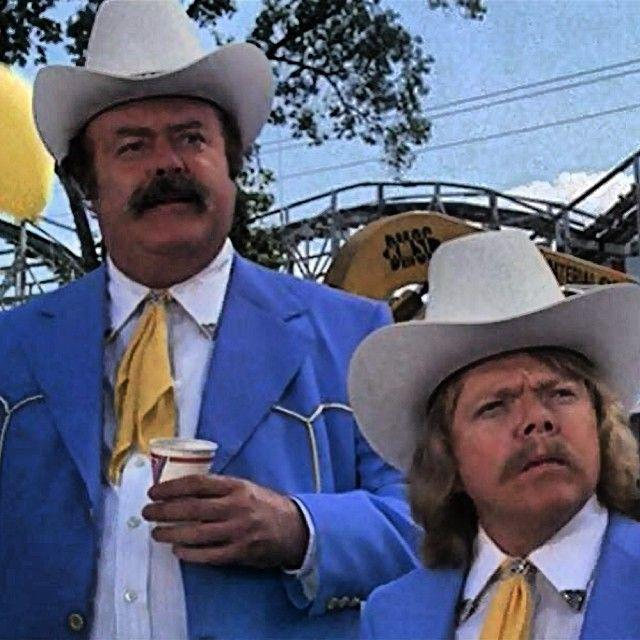
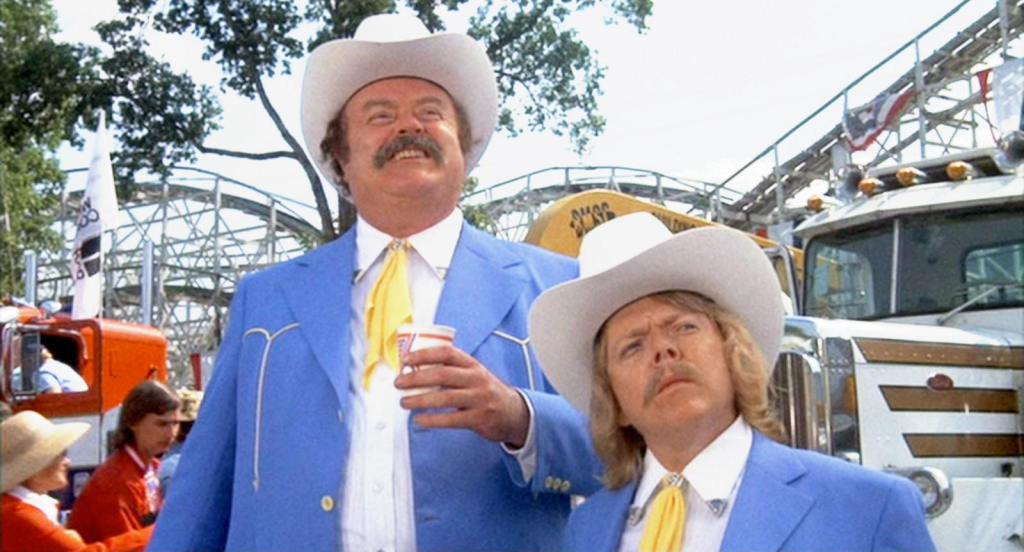
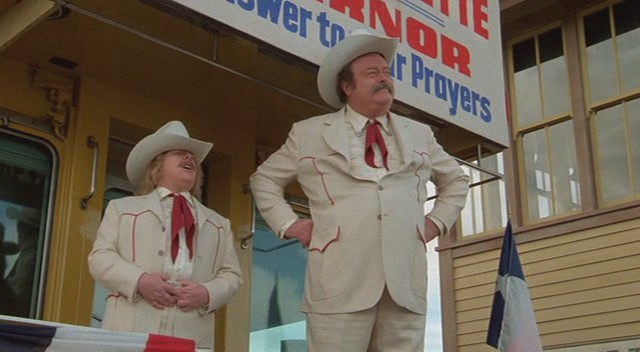
Played by Pat McCormick (Big Enos) and Paul Williams (Little Enos), the father-son duo were a sight to behold: matching white suits, cowboy hats, and the kind of loud Southern charm that could fill a room before they even walked in.
Their mission? To pay the Bandit to haul bootleg beer across state lines faster than anyone thought possible. Their dialogue was quick, funny, and bursting with bravado — a playful parody of American excess and Southern pride in the late ’70s.
But behind the laughs, Big and Little Enos symbolized something else: the dreamers. The hustlers. The ones who made things happen not because they had to, but because they could.
The Golden Era of Drive-In Fun
Smokey and the Bandit wasn’t just another car movie — it was a phenomenon. Released in 1977, it captured everything audiences loved about that decade: freedom, rebellion, and the open road. Burt Reynolds was the star, of course, but the Burdettes gave the film its heartbeat of mischief.
They embodied the wild optimism of the era — men who didn’t take life too seriously, even when millions of dollars and reputations were on the line. You didn’t just laugh at them; you laughed with them. They were outrageous, but somehow, oddly likable.
The Men Behind the Mustaches
Pat McCormick, towering and hilarious, was not only an actor but a comedy writer for legends like Johnny Carson and Don Rickles. His timing and physical presence made Big Enos unforgettable.
Paul Williams, meanwhile, brought depth and heart to the partnership. Known for his music — he wrote “Rainbow Connection” and “Evergreen” — Williams made Little Enos more than a sidekick; he made him endearing.
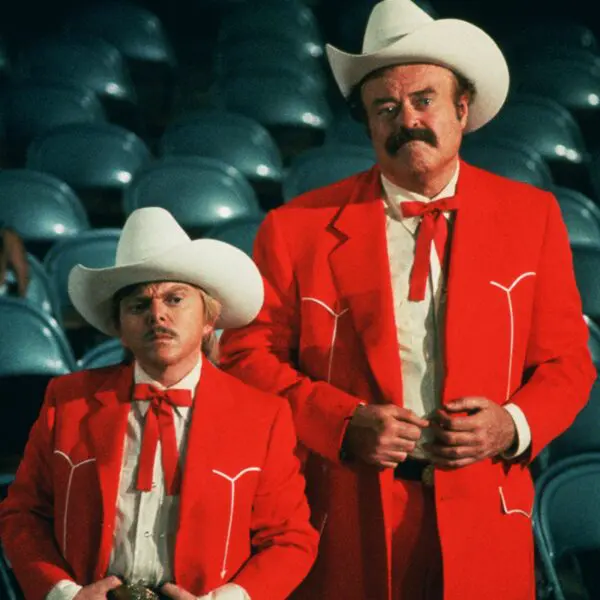
Their chemistry was pure magic. Together, they created one of cinema’s most delightful odd couples — the kind of pairing Hollywood rarely makes anymore.
Why We Still Love Them
Today, the Smokey and the Bandit films feel like postcards from a different America — a time before CGI, when movies smelled of gasoline and mischief. Big and Little Enos remind us of that simpler joy, where humor didn’t need a punch-down, and storytelling was about pure fun.
Fans still quote their lines. Collectors still display their figurines. And when clips from the films resurface online, they rack up thousands of nostalgic comments like, “They don’t make ‘em like this anymore.”
Because, truly — they don’t.
The Lasting Legacy of the Burdettes
Big and Little Enos were more than just comic side characters; they were part of the soul of ’70s American cinema — brash, funny, and unapologetically original. They made us laugh, but they also made us remember a time when movies didn’t take themselves too seriously, and when friendship, fun, and freedom were all that really mattered.
Their story may be decades old, but their spirit? That still rides shotgun.








Post Comment