The Hidden Underground Wonder: The Mysterious Shell Grotto of Margate
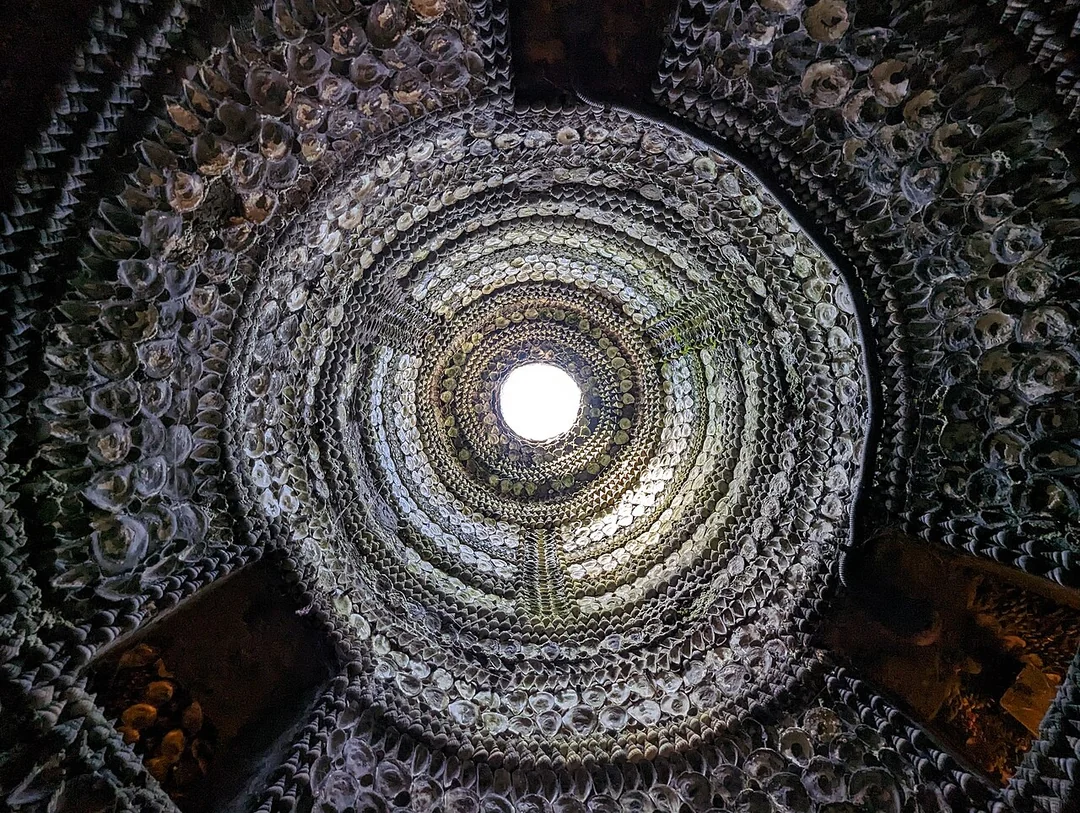
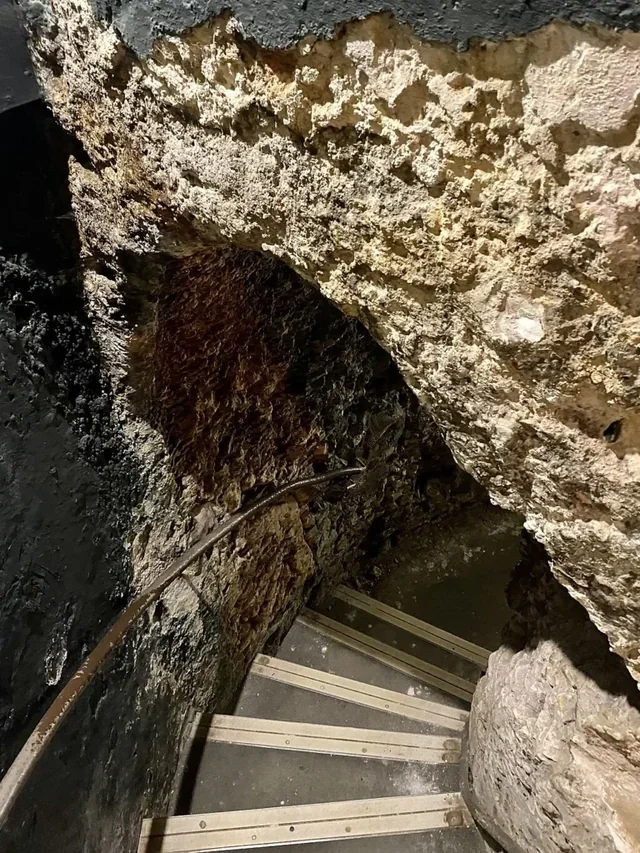
In 1835, a man digging a simple duck pond in the quiet English seaside town of Margate made a discovery that would baffle historians for centuries. Beneath his shovel lay a narrow tunnel—its walls shimmering in the dim light, entirely encrusted with millions of seashells.
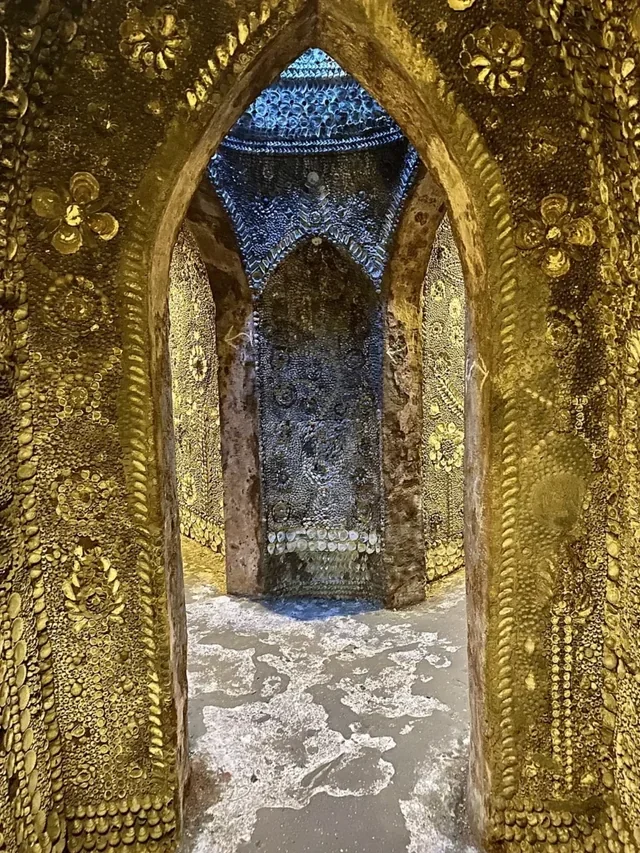
What he had unearthed was no ordinary cavern, but a labyrinth of mosaics spanning 2,000 square feet, each curve and arch meticulously adorned with over 4.6 million shells — mussels, whelks, limpets, oysters, and scallops — all arranged in hypnotic geometric and floral patterns.
To step inside the Shell Grotto is to enter another world: a silent temple of light and shadow where seashells whisper secrets of the deep. Every inch of the passage glows with a strange, sacred beauty. Some see flowers and stars in the designs; others see symbols — serpents, suns, and ancient sigils that hint at something far older than recorded history.
And yet… no one knows who built it.
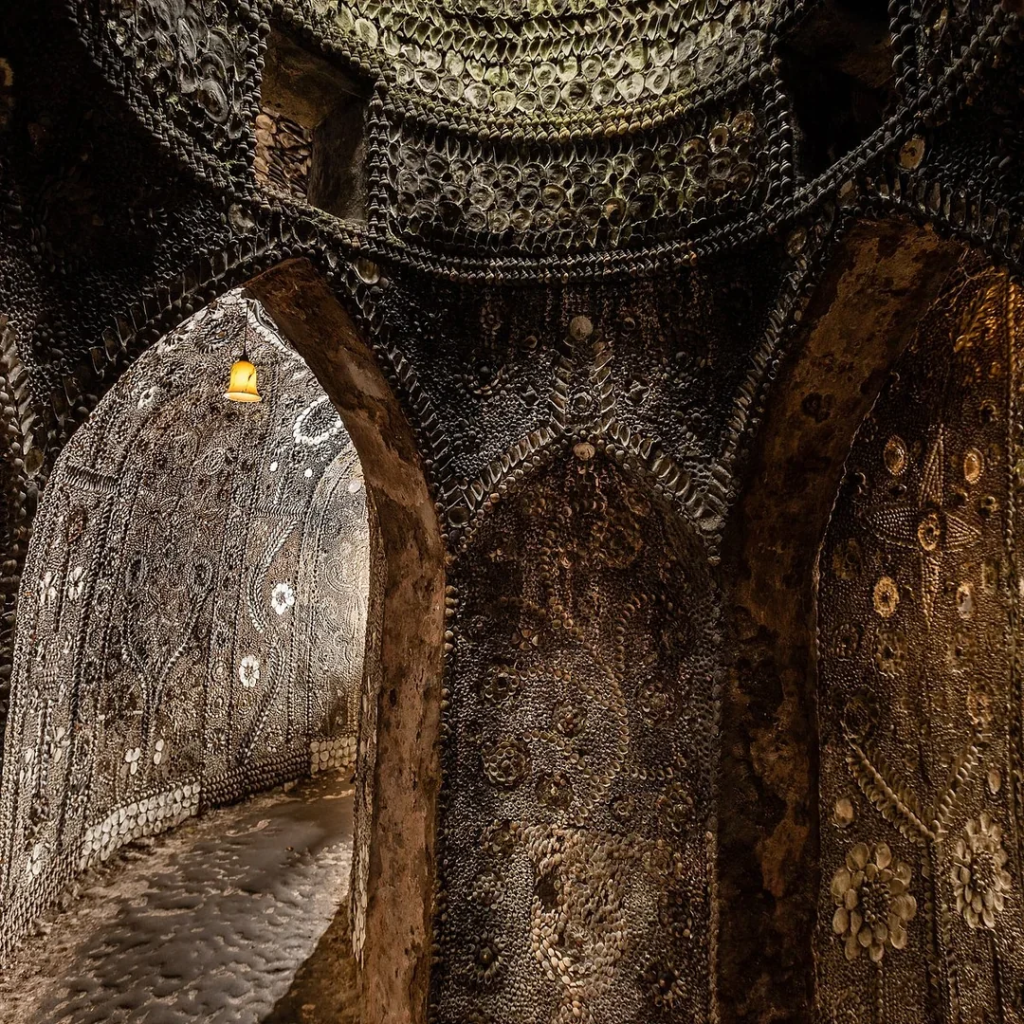
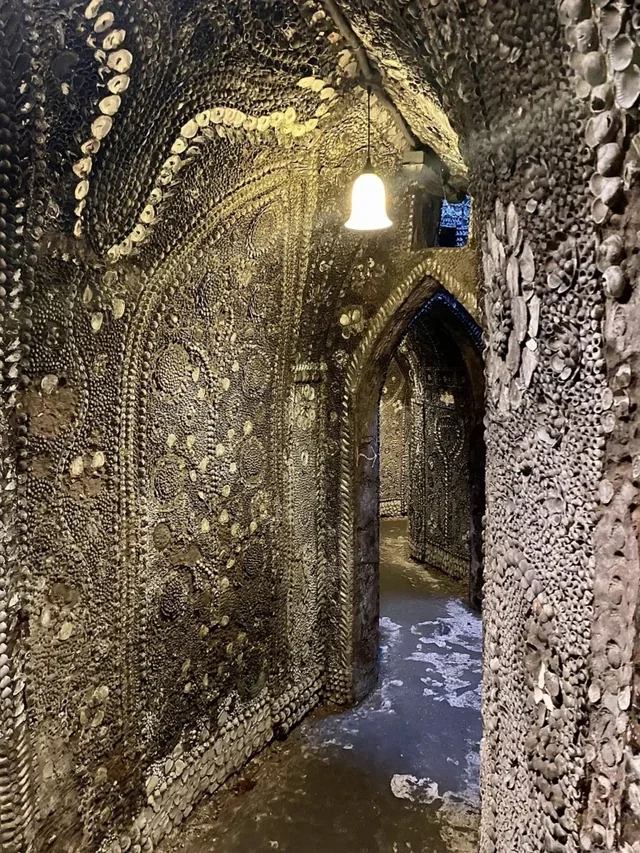
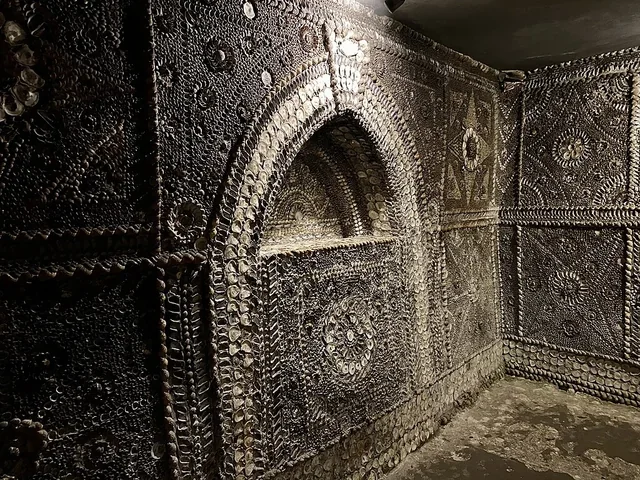
No documents. No mention in local records. No clue as to why it exists. Theories abound — that it was a pagan shrine, a Freemason’s temple, or an 18th-century folly built by an eccentric aristocrat. Some even believe it’s far older, a relic of a forgotten civilization buried beneath the Kentish soil.
Archaeologists have tried to date it. Artists have tried to interpret it. But the Shell Grotto refuses to give up its secrets. The shells themselves, long weathered by time, form an unbroken code — a story written in calcium and salt, waiting for someone to read it.
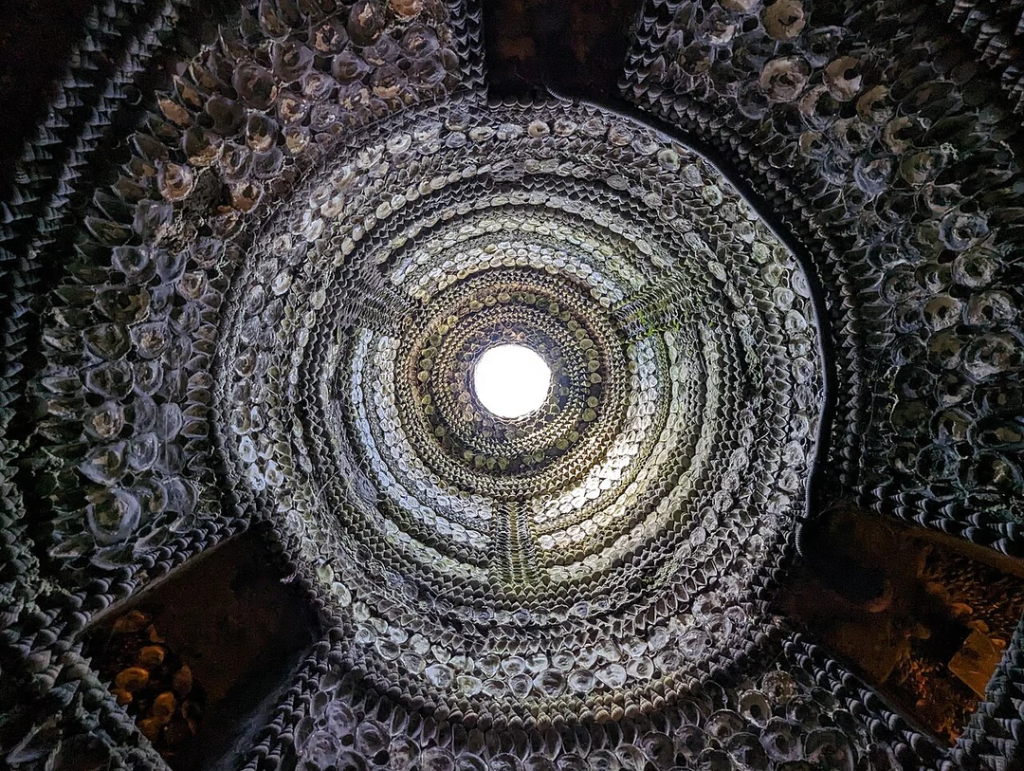
Today, you can still descend the narrow steps, trace your hand along its glistening walls, and stand beneath the domed “altar room” where light from above spills like a divine spotlight onto the shell mosaics below.
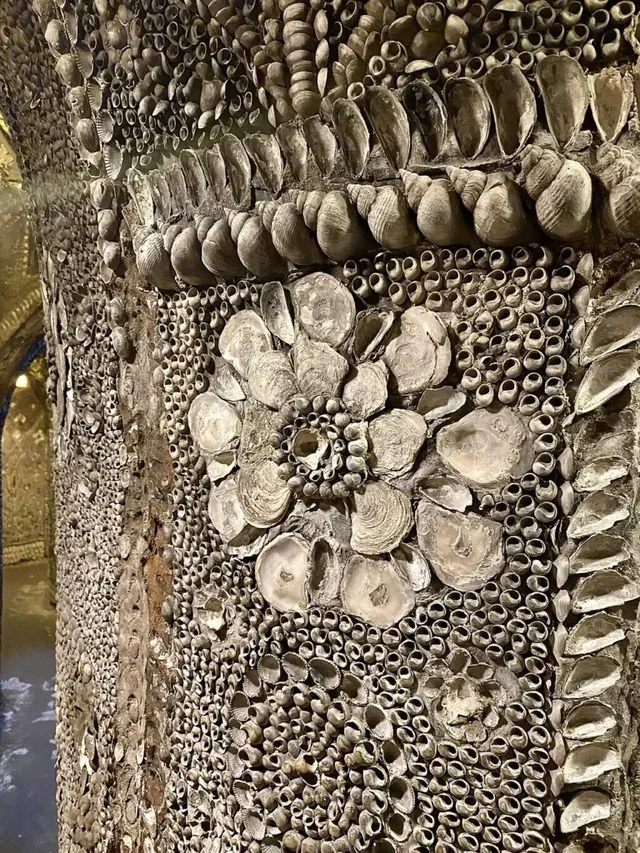
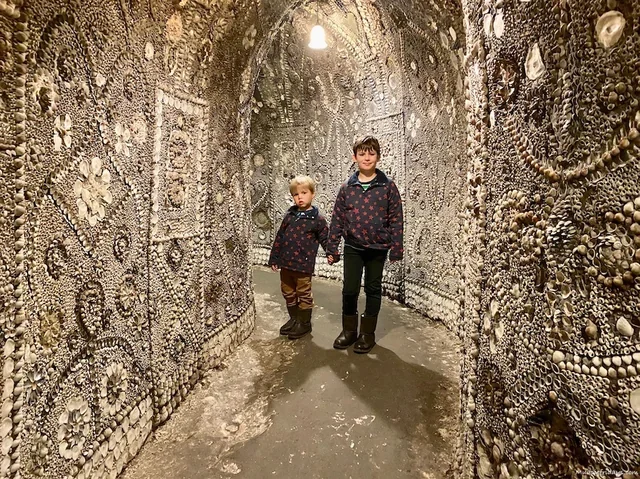
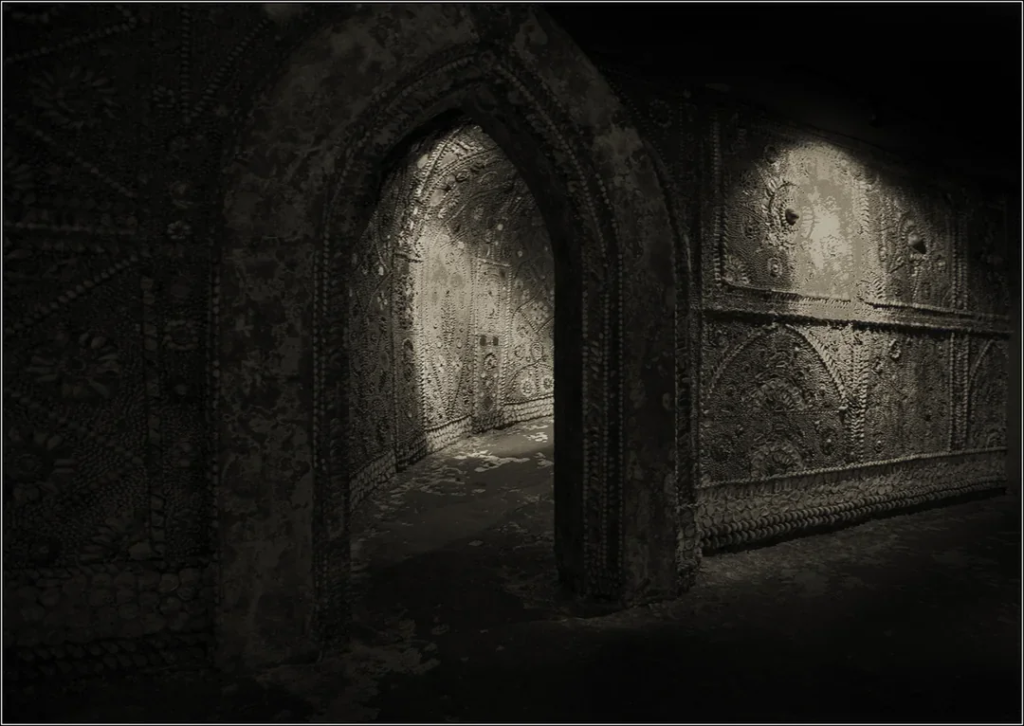
It’s a place where mystery and art meet — where the ocean’s treasures form the language of an ancient unknown.
One thing is certain: what began as a simple excavation for a pond became one of Britain’s most astonishing archaeological enigmas, still dazzling and confounding visitors nearly two centuries later.












Post Comment