He Looked Innocent Then — But His Future Shocked the Nation
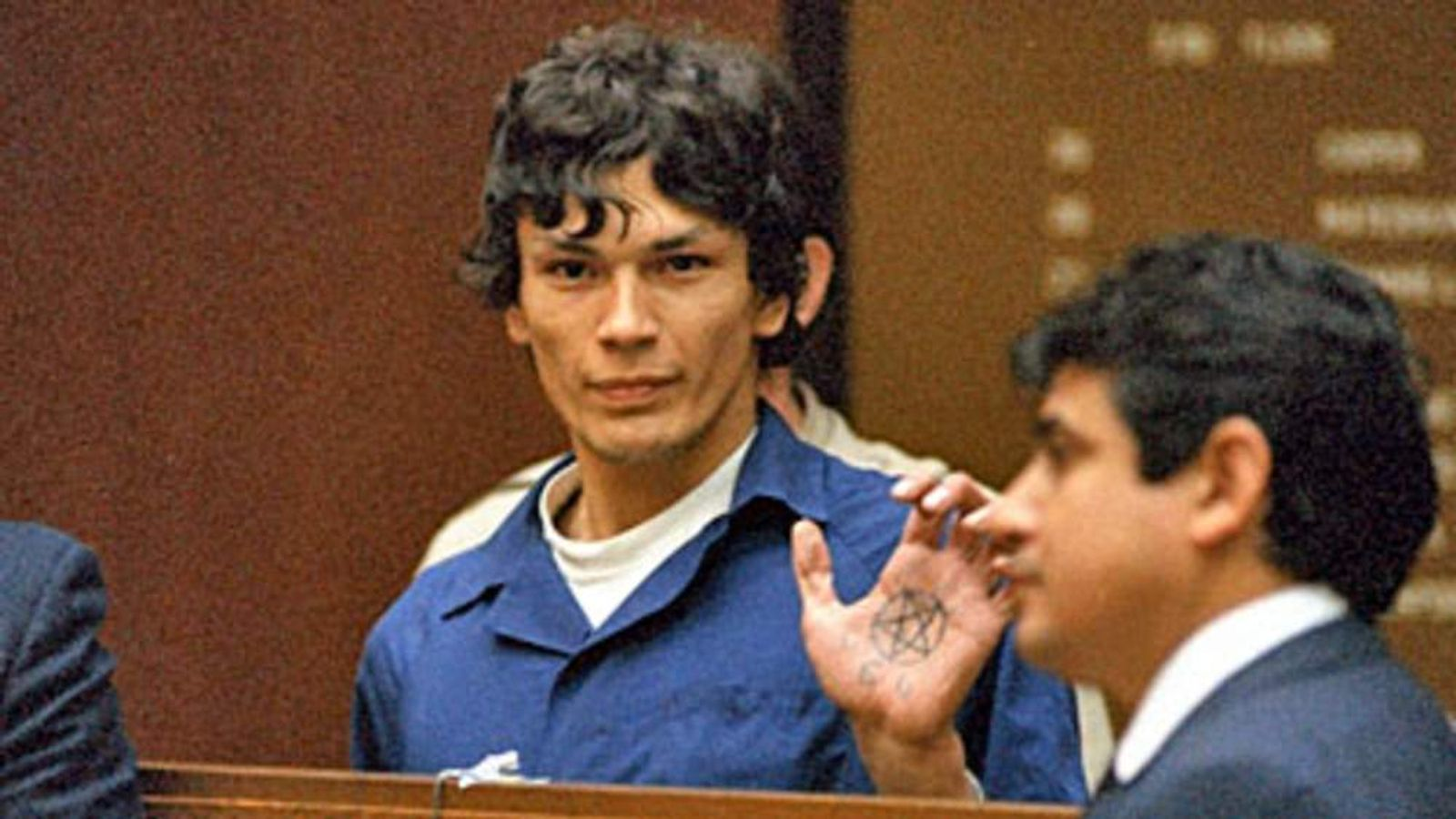
He was born on February 29, 1960, in El Paso, Texas, the youngest of five children in a hardworking immigrant family. Though his early life seemed ordinary, it was marked by hardship and fear. His father’s volatile temper and the family’s financial struggles created a tense home environment that left lasting scars.
As a child, Richard suffered several head injuries that doctors later suggested might have influenced his behavior and impulse control. These physical traumas, combined with emotional instability at home, began shaping a troubled path.
During his teenage years, he started drifting away from school and family. Isolated and angry, he sought escape in the streets, where he felt a sense of freedom he lacked at home.
A deeply disturbing incident involving a relative exposed him to shocking violence at a young age. This experience traumatized him and profoundly altered his understanding of power, pain, and death.
Soon, he began experimenting with drugs and committing petty crimes. Substance abuse dulled his emotions while thefts and risky behavior provided brief thrills. His detachment from family and community grew stronger.
By his early twenties, Richard had moved to California. Living a transient life, he developed a fascination with dark, destructive ideas. His obsessions deepened into something far more dangerous.
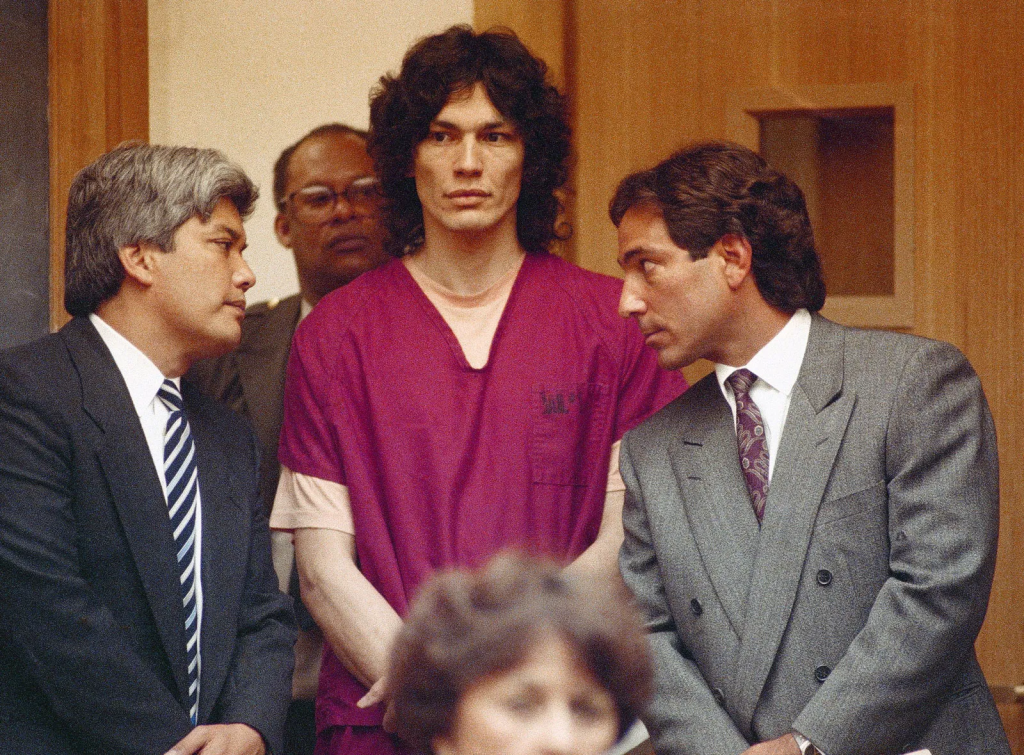
Between 1984 and 1985, a series of brutal crimes across Southern California terrorized residents and captured national attention. The unknown killer’s cruelty and randomness made him infamous long before he was caught.
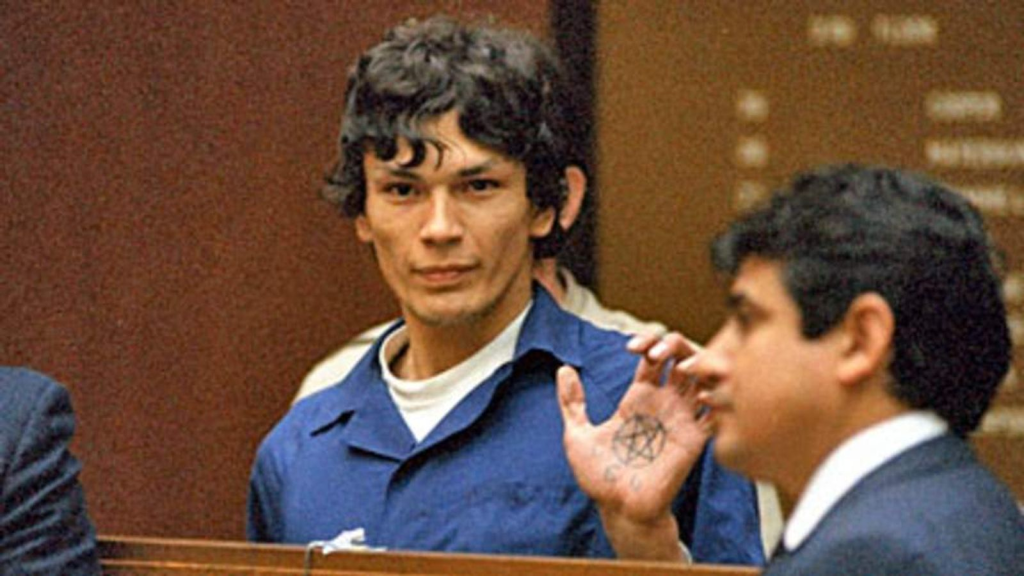
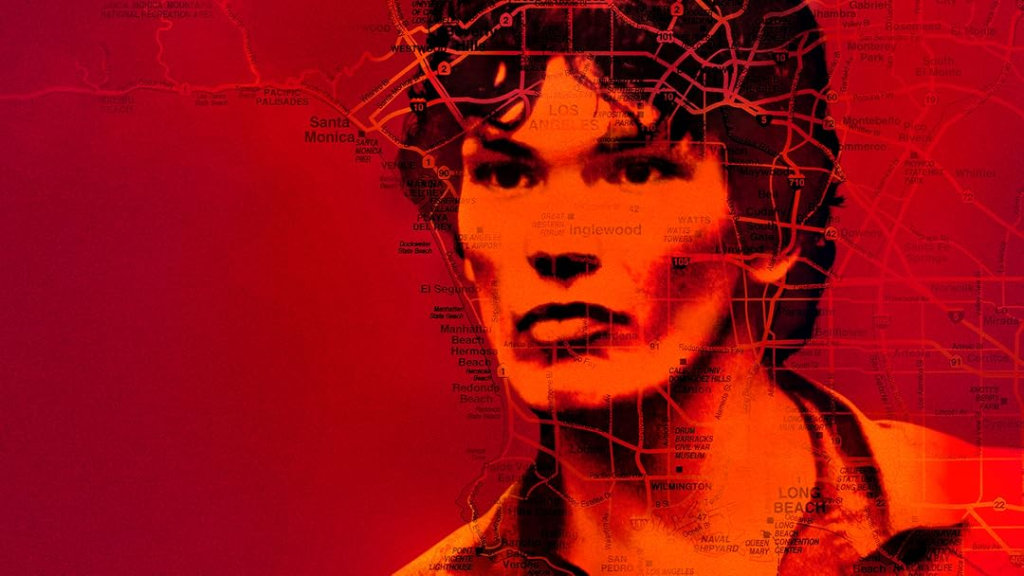
When Richard Ramirez was finally captured in 1985, the world knew him as “The Night Stalker.” Convicted of multiple murders and other crimes, he spent the rest of his life in San Quentin State Prison, where he died in 2013. His life remains a chilling study of how trauma and environment can twist a human soul beyond recognition.












Post Comment