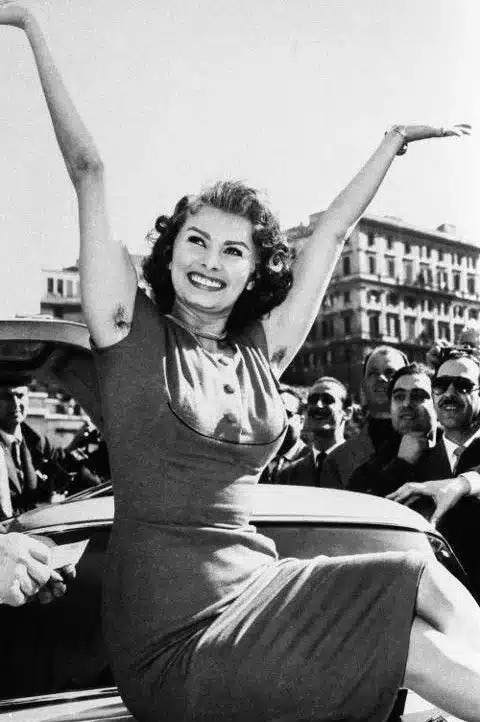
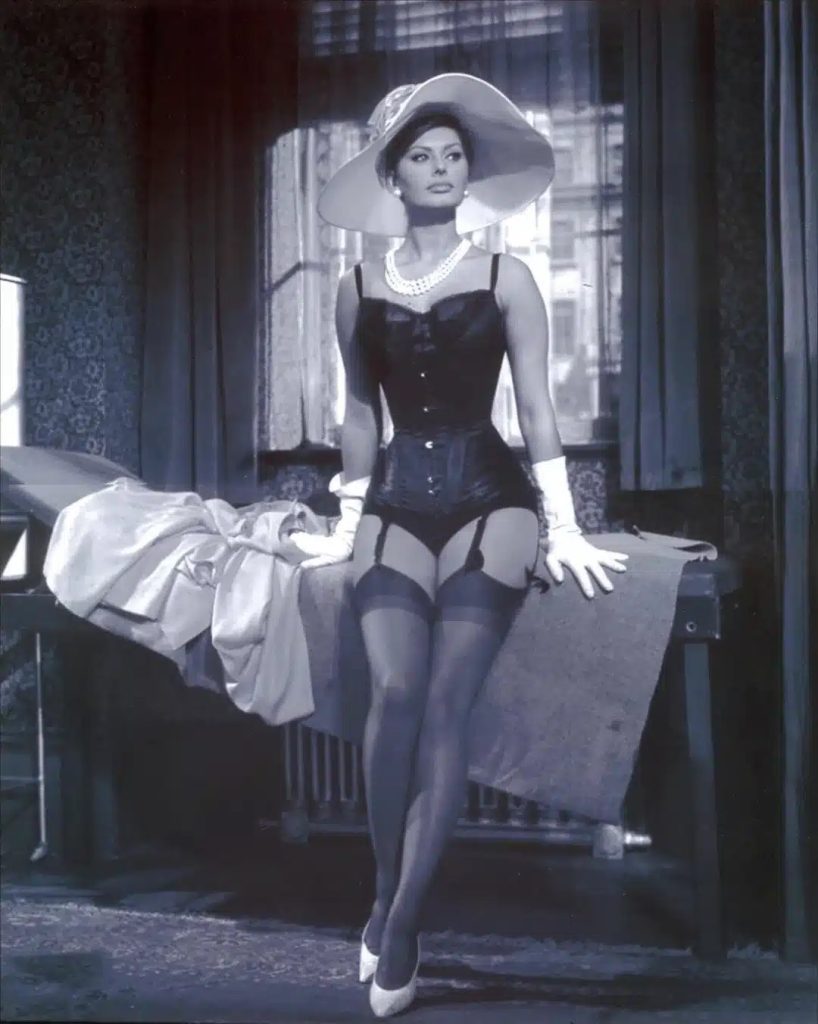
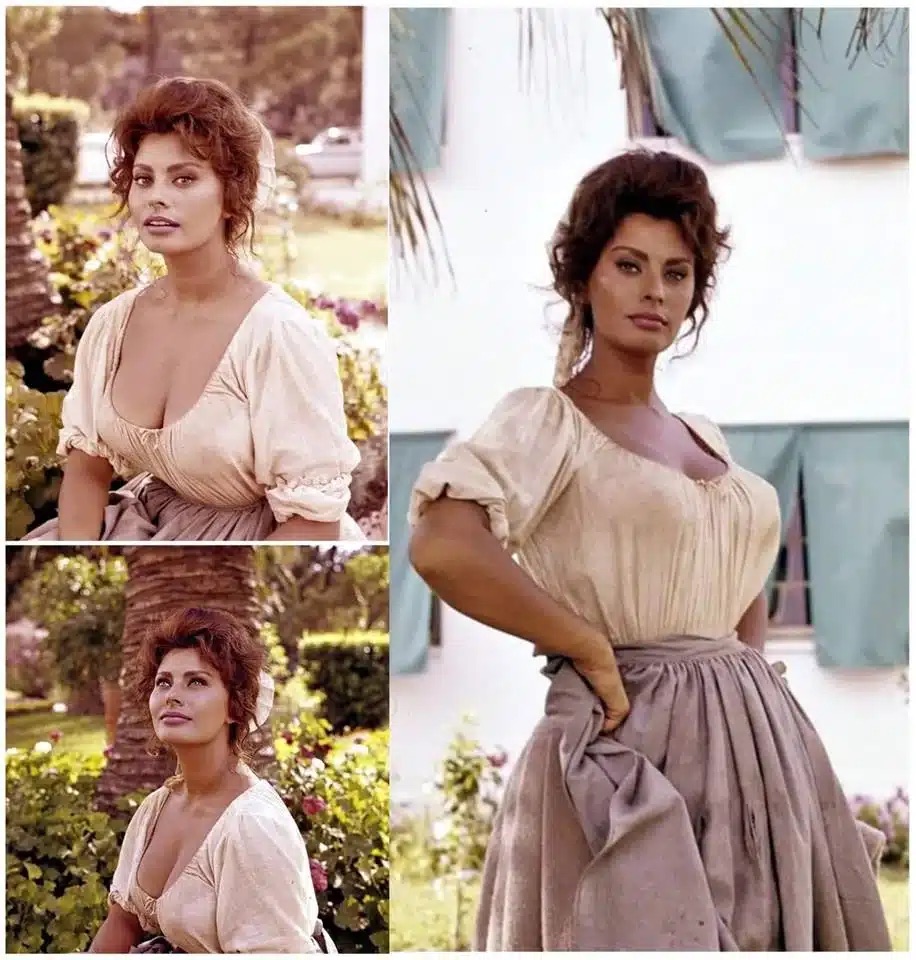
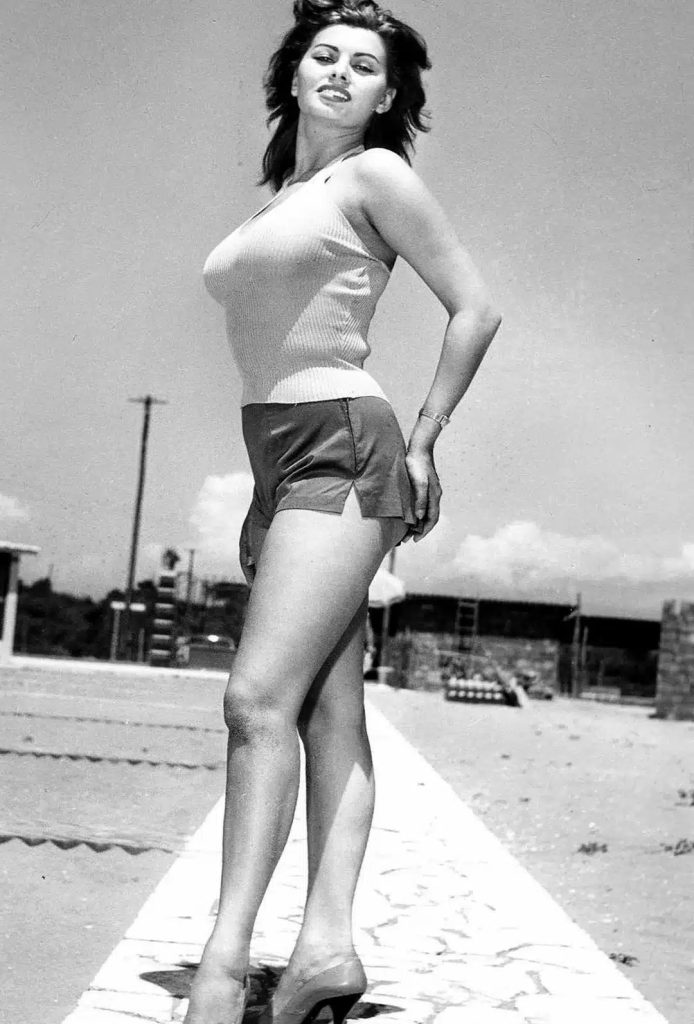
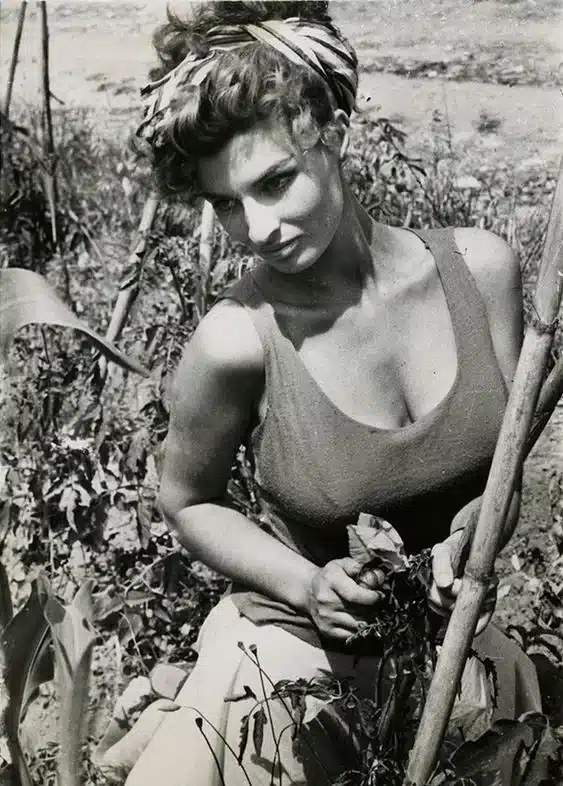
Sophia Loren: Iconic Moments of Italy’s Screen Goddess
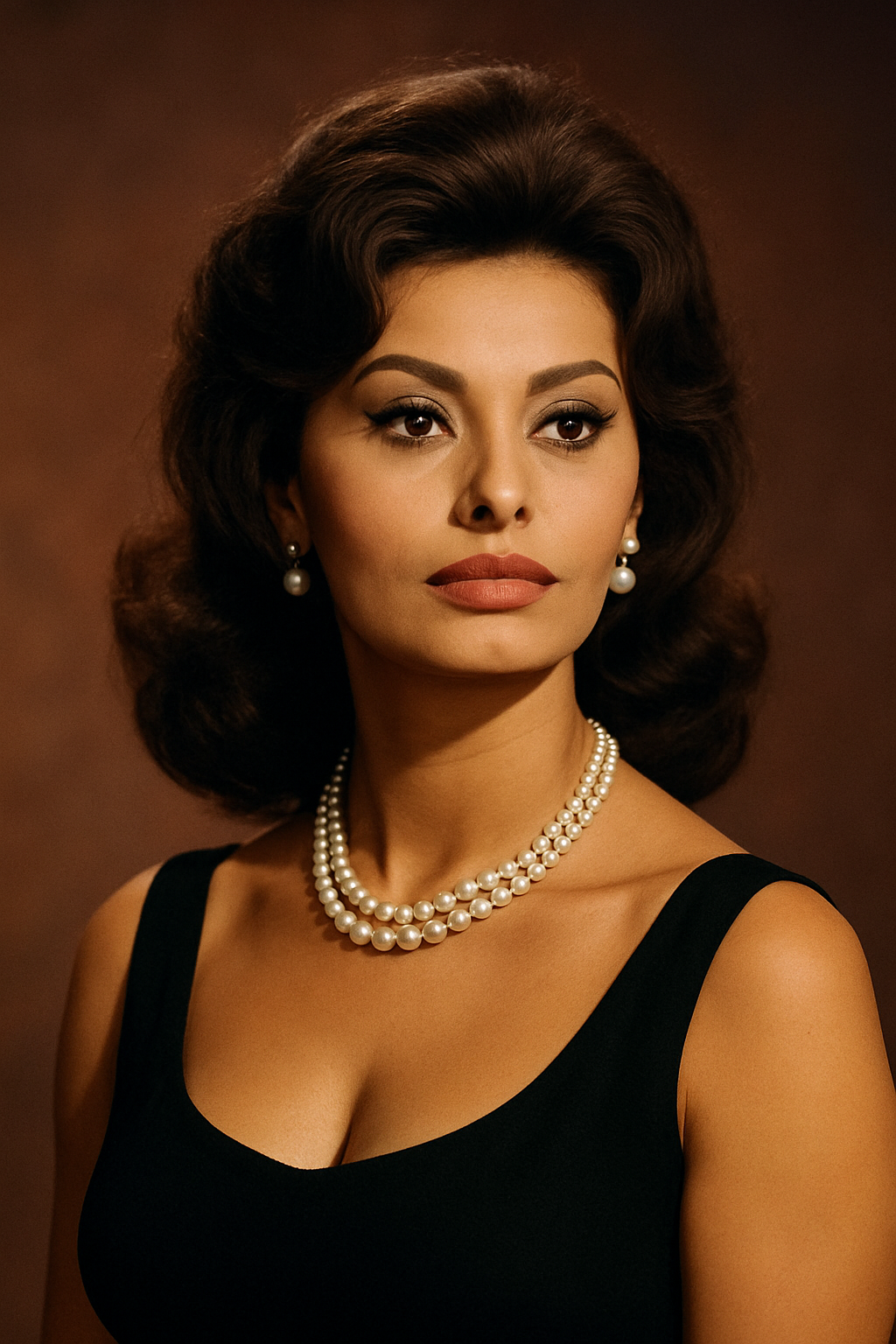
In cinematic history, few names shine as brightly as Sophia Loren, the very embodiment of Italian grace, elegance, and timeless beauty.
Born on September 20, 1934, as Sofia Costanza Brigida Villani Scicolone, Loren’s story is one of resilience—rising from the hardships of post-war Italy to conquer the world stage as an international icon.
Her early years were marked by poverty and the harsh realities of wartime Naples, yet these struggles forged an inner strength that would later define her screen presence. She made her cinematic debut humbly, appearing as an uncredited extra in Quo Vadis (1951). But fate changed course when she met film producer Carlo Ponti, who became both her mentor and, eventually, her husband.
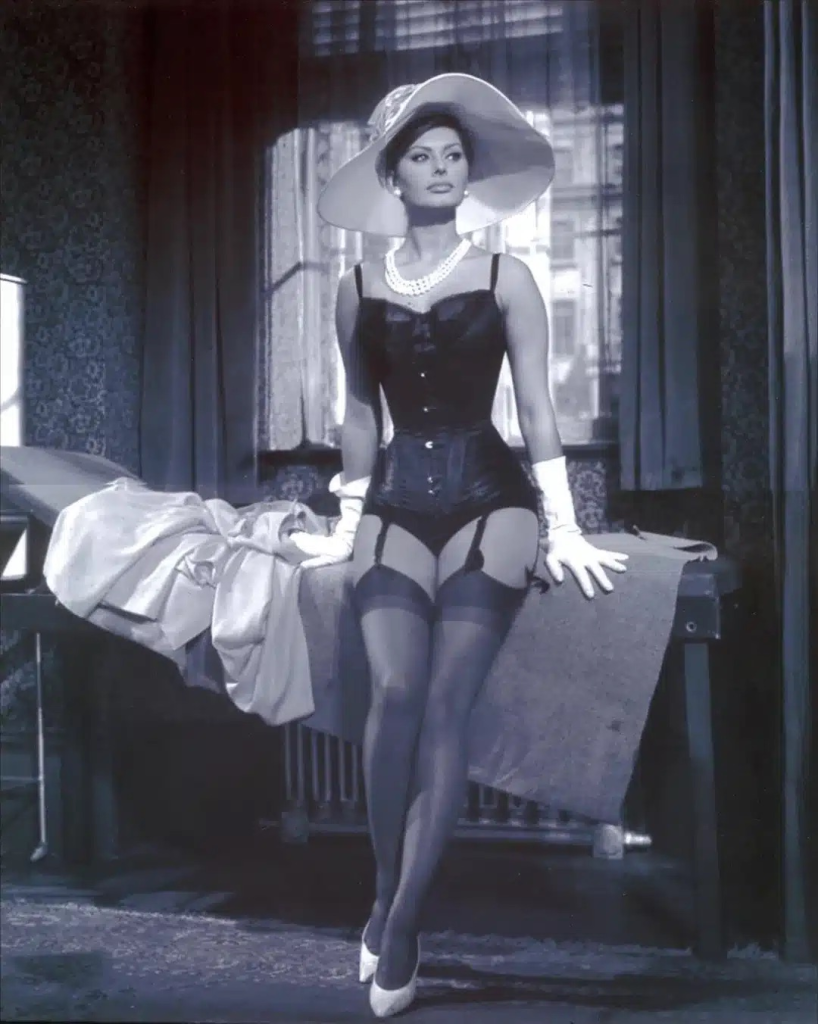
Loren’s undeniable talent soon propelled her to worldwide fame. Her groundbreaking performance in Two Women (1960) earned her the Academy Award for Best Actress in 1962—making her the first actress to win an Oscar for a foreign-language role. This historic achievement cemented her place in Hollywood and beyond.
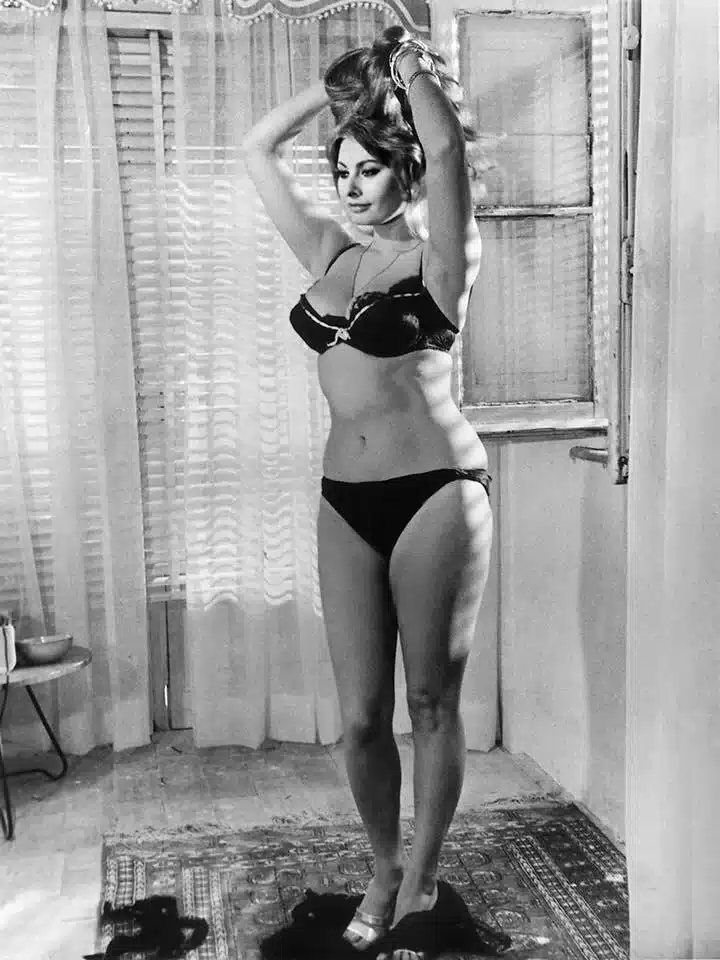
Throughout her illustrious career, Loren has captivated audiences with films like Marriage Italian Style (1964), Yesterday, Today and Tomorrow (1963), and A Special Day (1977). Her work brought her a treasure of accolades: six David di Donatello Awards for Best Actress, five Golden Globes, a Grammy, and the Honorary Academy Award in 1991, recognizing her as a true legend of world cinema.
Beyond the silver screen, Sophia Loren’s personal life carries the same strength and romance that defined her career. Her enduring marriage to Carlo Ponti survived legal battles and cultural resistance, standing as a testament to love’s resilience. Off-screen, she has embraced her role as a devoted mother and grandmother, cherishing family as deeply as her craft.
Even today, in her ninth decade, Loren remains a symbol of sophistication, resilience, and timeless allure. Her legacy is not only written in film history but also in the hearts of generations who see her as the ultimate goddess of Italian and world cinema.
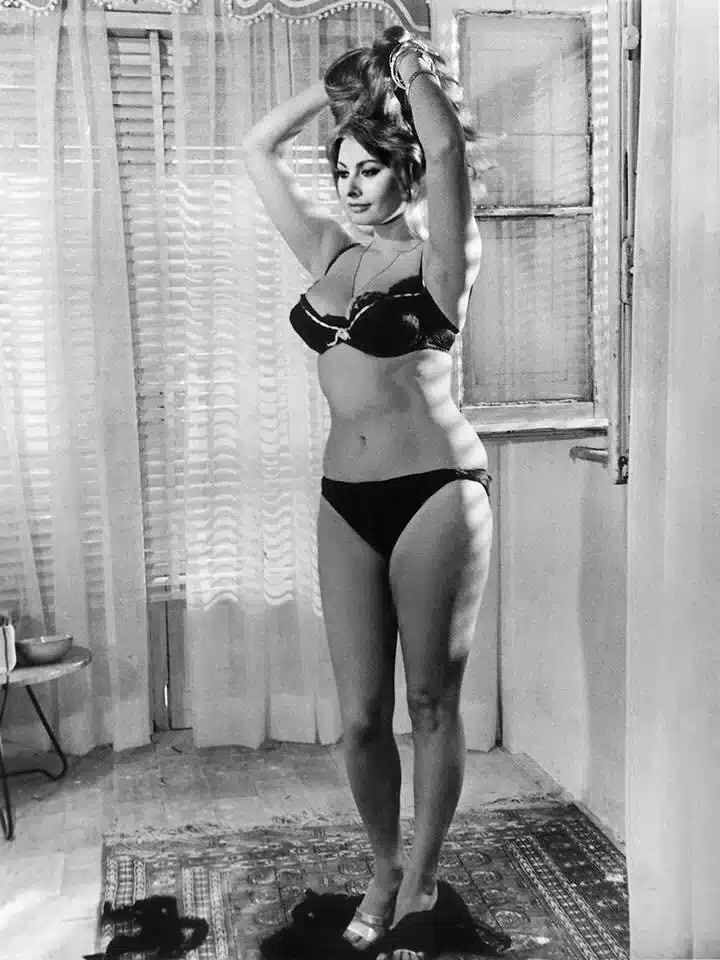
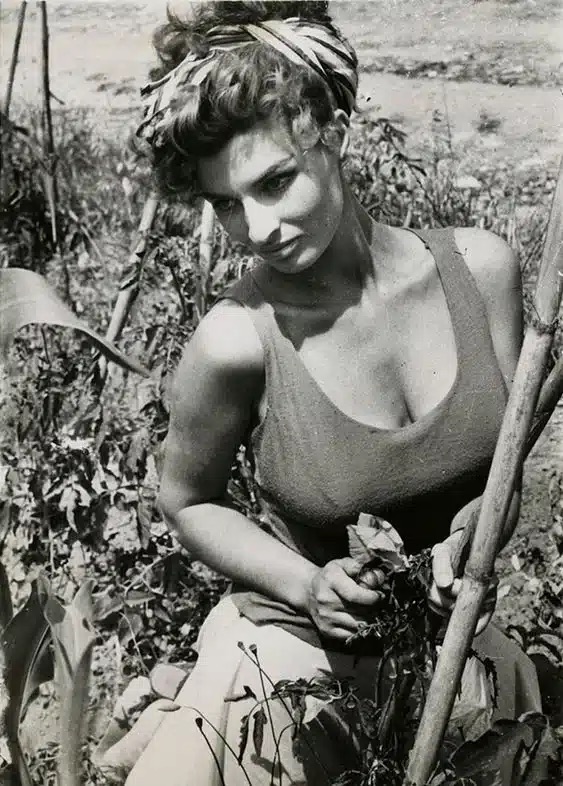
Scilla Gabel, Italian actress and Sophia Loren’s body double, 1957.