Inside Osama bin Laden’s Digital Secrets: What Was Found on His Computer
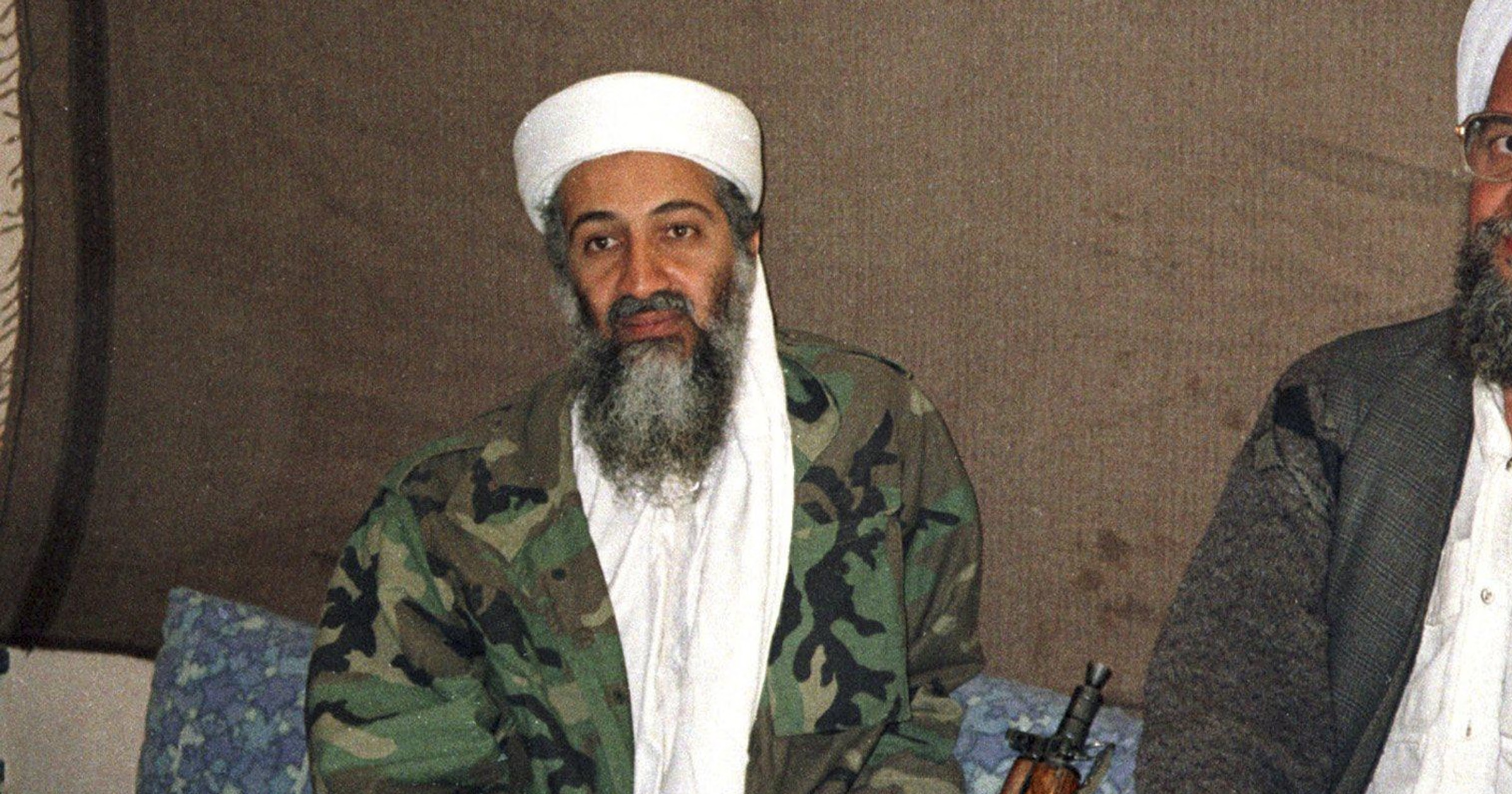
When U.S. Navy SEALs stormed Osama bin Laden’s compound in Abbottabad, Pakistan, on May 2, 2011, they expected to capture or kill the world’s most wanted terrorist. What they didn’t expect was to uncover one of the most unusual digital archives in modern history. The trove of hard drives, USB sticks, and DVDs seized from the compound offered a rare glimpse into the private life, mindset, and contradictions of the man behind 9/11.
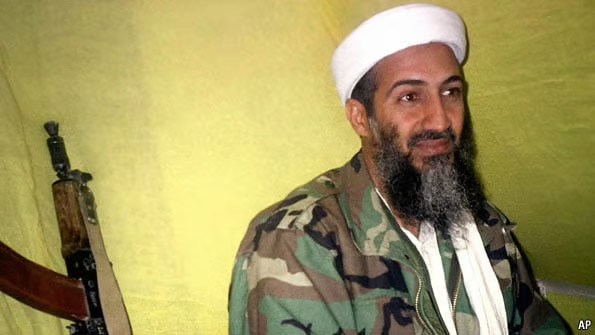
A Digital Time Capsule of a Fugitive
Far from the image of a cave-dwelling extremist, bin Laden lived out his final years as a secluded but surprisingly connected figure. The files found on his computer were a mix of high-stakes strategy, mundane family content, and, unexpectedly, pop culture.
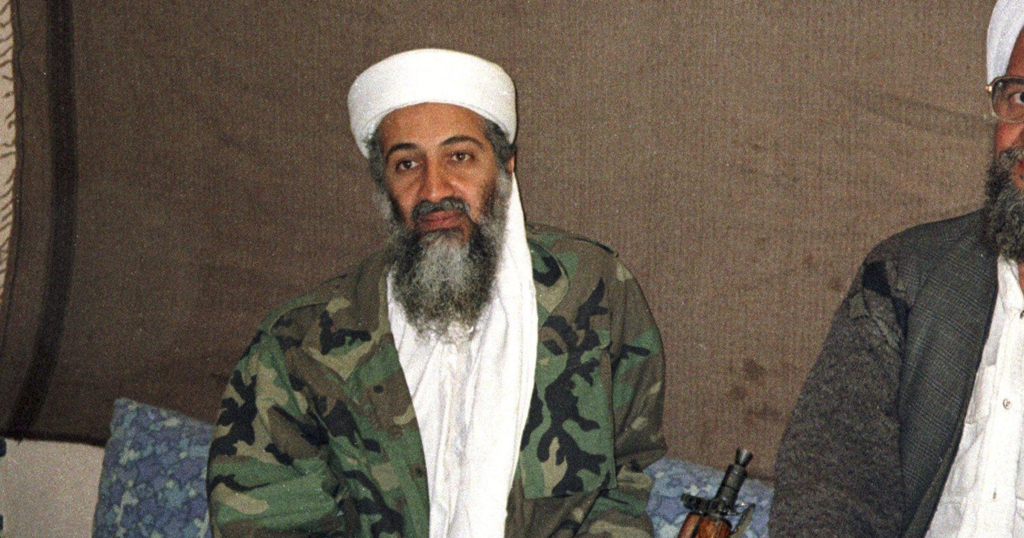
Investigators discovered thousands of documents, videos, and digital notes. Among them were Al-Qaeda propaganda materials, detailed plans for future attacks, and correspondence with followers and family. Yet alongside these were personal letters expressing frustration with his organization’s direction — showing a man both isolated and losing grip on the global movement he once commanded.
Hollywood in the Hideout
Perhaps the most shocking revelation wasn’t in the terror-related files, but in bin Laden’s movie collection. He owned digital copies of Hollywood films like Antz, Ice Age: Dawn of the Dinosaurs, and Resident Evil. There were even conspiracy documentaries about himself, including Loose Change, which promoted 9/11 truther theories.
It was a bizarre combination — the mastermind behind global terror attacks watching American animated movies and reading materials about his own myth. Analysts have long debated what this says about bin Laden’s psychology: Was he trying to understand Western culture, or simply passing time in isolation?
Insights Into His Final Years
Beyond the odd entertainment choices, bin Laden’s writings painted a picture of deep frustration. He expressed anger over Al-Qaeda’s declining influence, criticized his followers for killing too many Muslims, and worried about the group’s public image. In one letter, he even discussed rebranding efforts to make Al-Qaeda seem more appealing to a new generation of extremists.
He was also a meticulous planner. Notes from his compound revealed instructions for operatives to avoid detection, guidance on encryption, and even advice for family members on evading drones and surveillance.
Impact on Global Intelligence
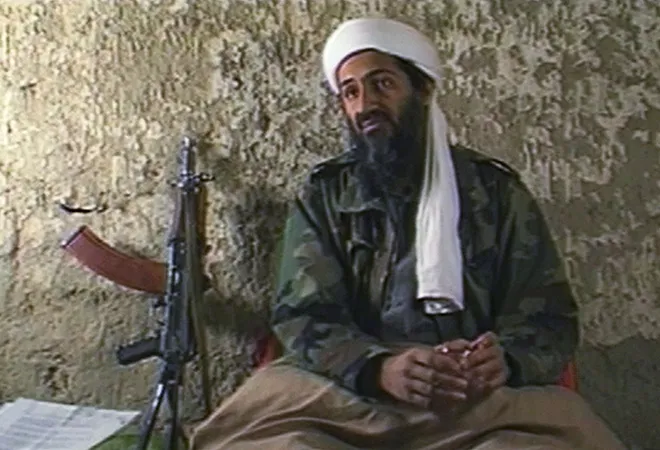
The digital cache became a goldmine for intelligence agencies. Analysts spent years decrypting and examining the files, which provided valuable insights into Al-Qaeda’s internal structure, communication methods, and evolving strategies. The documents also reshaped how intelligence organizations view terrorist leaders — not just as shadowy figures, but as individuals balancing ideology, paranoia, and everyday life.
A Paradox Exposed
In the end, the files from Abbottabad revealed more than just operational secrets; they exposed the paradox of Osama bin Laden himself — a man obsessed with fighting Western influence, yet surrounded by traces of it in his digital world. His final years were defined by fear, control, and isolation, reflected in the data he kept hidden behind encrypted folders.
More than a decade later, those hard drives remain a haunting reminder that even the most dangerous figures of history live double lives — one defined by their actions, and another, quietly stored in the files they leave behind.












Post Comment