5 Surprising Effects of Sleeping More Than 10 Hours, According to Science

Introduction: Why Too Much Sleep Isn’t Always a Good Thing
We’ve all been there—those weekend mornings where you roll over, check the time, and think, “Just one more hour.” It feels great in the moment, like a reward after a long week. But what if that bonus sleep isn’t doing you any favors? According to science, sleeping more than 10 hours a night can come with some unexpected side effects. Sure, sleep is essential, but too much of it? That’s a different story.
In this article, we’re diving into five surprising ways oversleeping could be messing with your body and mind—sometimes in ways you’d never expect. Spoiler alert: the snooze button isn’t always your best friend.
Video: How much sleep do you really need? | Sleeping with Science, a TED series
The Heart Wants Balance: Oversleeping and Cardiovascular Health
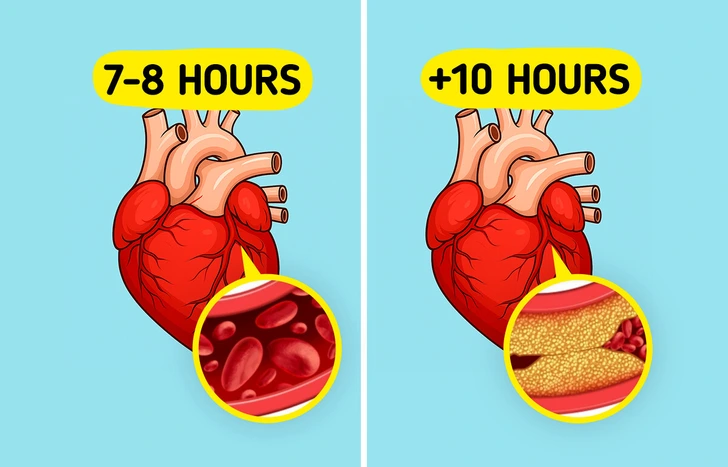
We know that sleep supports heart health—but more isn’t always better. Several studies have found a striking link between long sleep duration and an increased risk of cardiovascular issues, including stroke and heart disease. It turns out that both too little and too much sleep can throw your heart into chaos.
Why does this happen? Researchers suggest that oversleeping may reflect underlying problems, such as sleep apnea or depression, which also increase heart risks. So, if you’re routinely sleeping 10+ hours and waking up tired, it’s worth checking in with a doctor. Your heart may be trying to tell you something.
Mental Health Mayhem: The Emotional Toll of Oversleeping
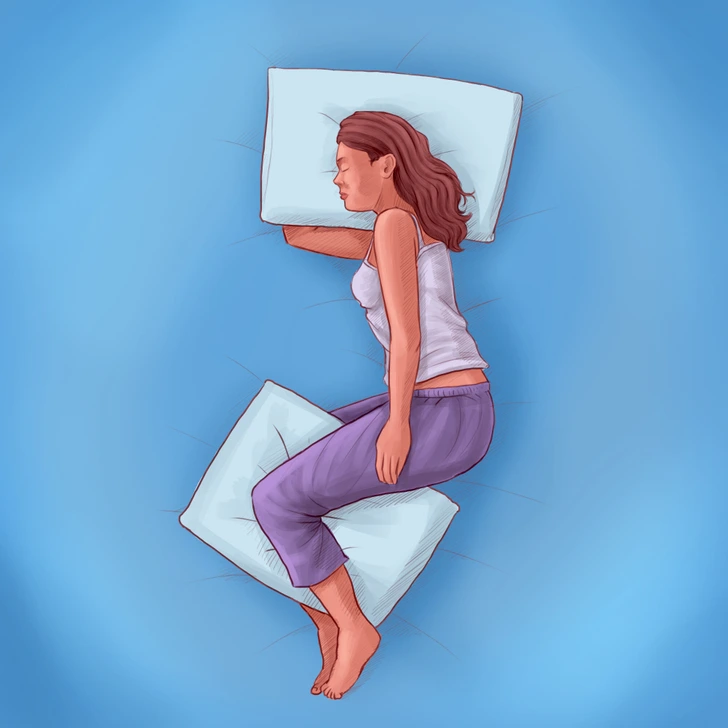
You’d think more sleep equals better mood, right? Unfortunately, that’s not always how it works. In fact, sleeping too much can lead to mood swings, anxiety, and even depression. That groggy, foggy feeling you get after a long sleep session isn’t in your head—it’s your brain struggling to reset.
When you oversleep, it disrupts your circadian rhythm, which is like your body’s internal clock. Throw it off, and everything gets affected: your energy, alertness, appetite, and even how you handle stress. You might feel drained instead of refreshed, anxious instead of calm. It’s like giving your phone a full charge, then unplugging it mid-update—things get glitchy fast.
Back Pain Blues: Why Oversleeping Might Hurt More Than Help
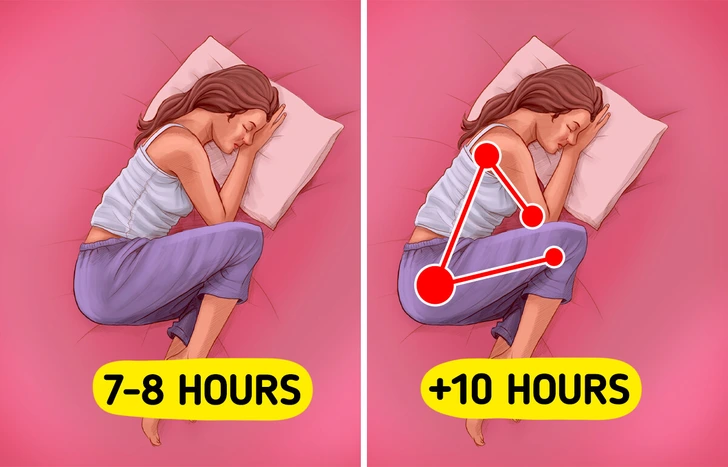
If you think extra rest will fix your aching back, think again. Lying in bed too long can actually worsen back pain, not relieve it. While rest is important, prolonged inactivity can lead to stiff joints and weakened muscles—exactly what you don’t want when dealing with pain.
Once upon a time, doctors recommended strict bed rest for back pain. But now? They emphasize gentle movement and posture support. Too much sleep not only delays healing but also reduces physical activity throughout the day, making the problem worse over time. The solution? Find the sweet spot—enough rest to recover, but not so much you become immobile.
Video: My Evidence-Based Sleep Routine

Want to maintain a healthy weight? You may need to set a firmer wake-up call. According to a six-year study, people who slept more than 9 or 10 hours per night were 21% more likely to become obese than those who stuck to a 7–8 hour window. That’s a pretty significant number.
Here’s why: oversleeping often leads to irregular eating patterns, reduced physical activity, and metabolic disruption. Your body gets confused about when it should burn calories and when it should store them. It’s a bit like showing up late to a workout—you’re not warmed up, you’re sluggish, and your system can’t perform at its best. Over time, those extra zzz’s could add extra pounds.
Headaches That Linger: When Sleep Gives You a Pain in the Head

Ever notice how sleeping in on the weekend gives you a headache instead of relief? You’re not imagining things. For some people, oversleeping can trigger migraines or tension headaches, especially when sleep patterns suddenly shift.
What causes it? Changes in neurotransmitters—particularly serotonin, which helps regulate sleep and mood. Oversleeping can throw these chemical levels out of whack, leading to pain. Add in dehydration from skipping breakfast or caffeine withdrawal, and you’ve got the perfect storm for a throbbing start to your day.
The Bottom Line: Sleep Smarter, Not Longer

Look, sleep is sacred—but like most good things, it’s best in moderation. While an occasional lazy Sunday won’t ruin your health, consistently sleeping more than 10 hours can signal or cause deeper issues. From heart health to mental clarity, oversleeping carries real consequences that often go unnoticed.
So what’s the magic number? For most adults, 7 to 9 hours is the sweet spot. Enough to recharge without tipping the scale. If you find yourself regularly snoozing past 10 hours and still feeling tired, it might be time to dig a little deeper—check in with your lifestyle, stress levels, and overall well-being.
And remember: sleep is about quality, not just quantity. So rather than chasing more hours, aim for better sleep—consistent, restful, and just the right amount to wake up truly refreshed.
Conclusion: Less Might Be More When It Comes to Sleep
We often treat sleep like a bank account—depositing more hours when we’re feeling low. But science tells us that too much sleep can be just as harmful as too little. From heart issues to brain fog, obesity, and chronic pain, oversleeping comes with its own set of problems.
Instead of hitting snooze again, try sticking to a healthy sleep schedule, listening to your body, and aiming for balance. Because when it comes to your health, the right amount of rest can make all the difference.












Post Comment