Trump Misses Out as Venezuela’s María Corina Machado Wins 2025 Nobel Peace Prize
Oslo, Norway – October 10, 2025
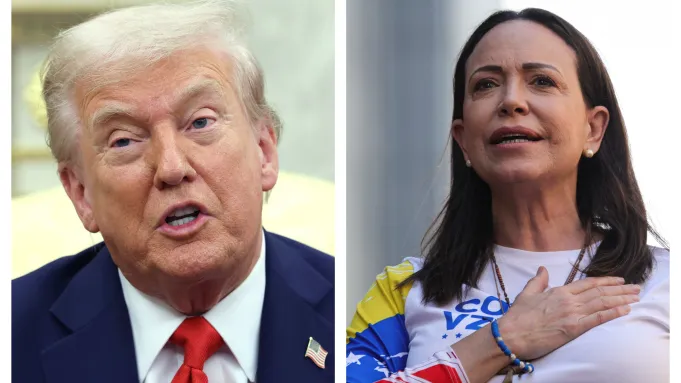
The Nobel Committee has awarded this year’s Nobel Peace Prize to María Corina Machado, the Venezuelan opposition leader and longtime advocate for democracy, marking a historic recognition of her courageous struggle for political freedom in one of Latin America’s most repressive regimes.
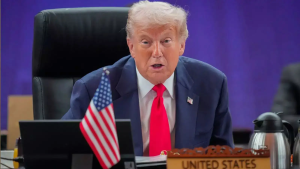
The decision, announced Friday in Oslo, represents a symbolic triumph for Venezuela’s pro-democracy movement—and a sharp contrast to the high-profile bid by former U.S. President Donald Trump, who had been widely speculated as a contender after months of self-promotion and international nominations.
A Prize for Persistence and Courage
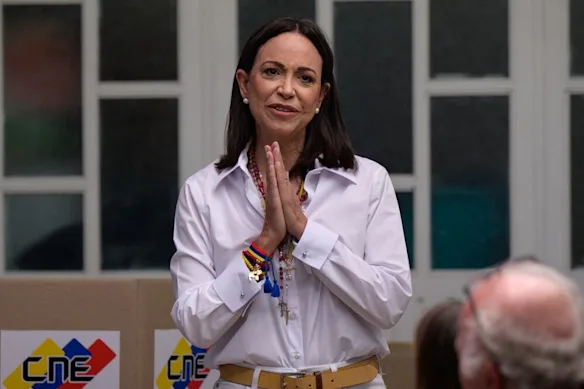
Machado, 57, has been one of the most prominent voices opposing the authoritarian government of Nicolás Maduro. Despite repeated threats, disqualification from elections, and harassment by security forces, she has remained an outspoken champion of civil rights and nonviolent political reform.
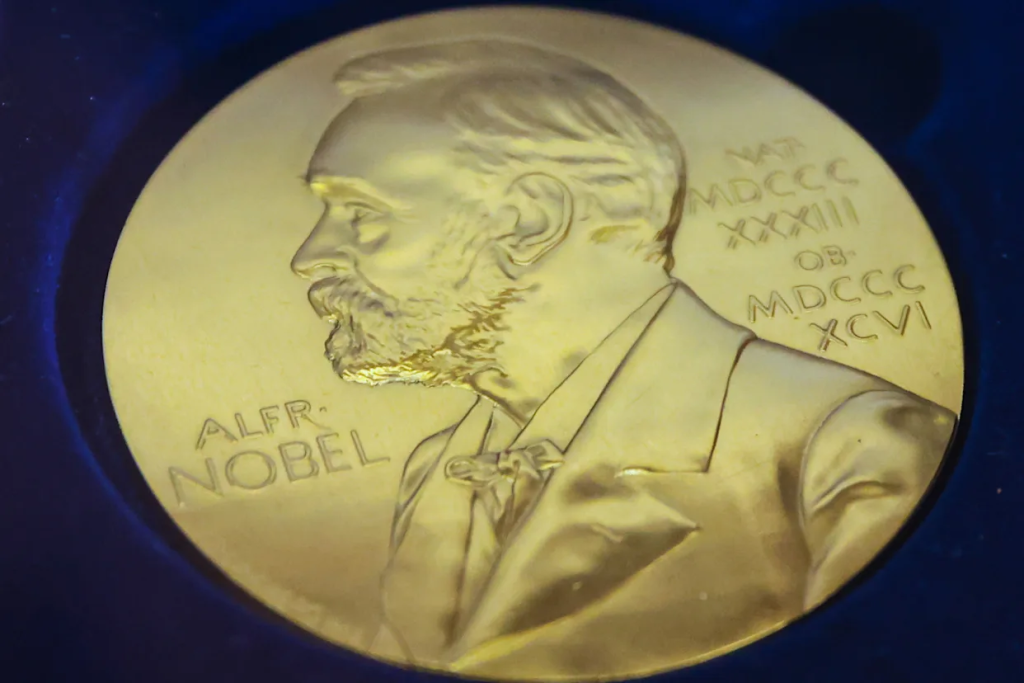
In its official statement, the Norwegian Nobel Committee praised her “unwavering commitment to restoring democracy in Venezuela” and “her tireless fight to secure free elections and uphold human dignity under extraordinary pressure.”
Human rights organizations quickly welcomed the award. Amnesty International called it “a victory for all Venezuelans who continue to believe in freedom, justice, and the power of peaceful resistance.”
Trump’s Missed Moment
For months, Donald Trump and his allies had floated his name as a potential Nobel laureate, citing his previous role in fostering Middle East normalization agreements and his claims of promoting peace through “strong diplomacy.”
While Trump did receive nominations from a few European politicians earlier this year, Nobel observers noted that the Committee has traditionally favored individuals engaged in humanitarian and grassroots peacebuilding efforts rather than political leaders seeking personal validation.
The Committee did not reference Trump directly, but its decision is widely interpreted as a rebuff to the former president’s self-declared candidacy for the honor.
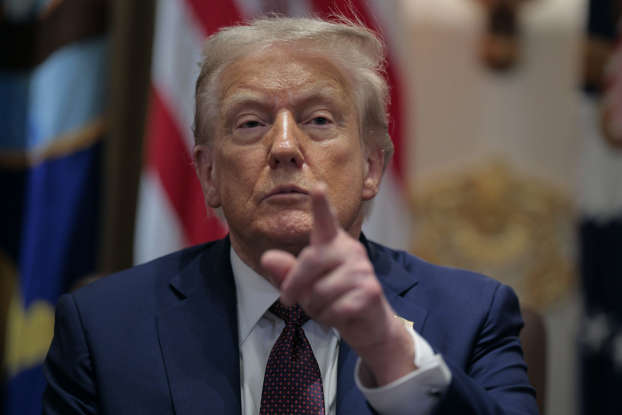
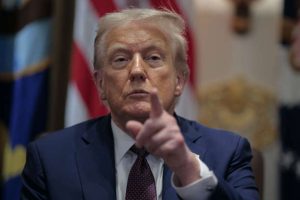
Speaking to reporters outside his Mar-a-Lago resort, Trump said, “Everybody knows I should have won. Nobody’s done more for peace than I have. But the Nobel Committee has always been political.”
Global Reactions
Across Venezuela, news of Machado’s award sparked celebration. Supporters flooded social media with the hashtag #OrgulloVenezolano (“Venezuelan Pride”), while citizens in Caracas gathered in public squares waving national flags and chanting her name.
International leaders also offered congratulations. European Union foreign policy chief Josep Borrell called the recognition “a powerful signal of hope to all who continue to fight for freedom in Venezuela.”
Meanwhile, reactions in the United States were mixed. Some praised the Nobel Committee’s decision to recognize a human rights advocate, while Trump loyalists dismissed it as another example of what they perceive as “anti-Trump bias” from global institutions.
A Symbol Beyond Borders
For many, Machado’s win is about more than Venezuela—it’s a broader reminder that the Nobel Peace Prize still seeks to honor those working to advance liberty under difficult conditions.
“María Corina Machado embodies the spirit of democratic courage,” said Nobel Committee Chair Berit Reiss-Andersen. “Her example shows that peaceful struggle for justice remains one of the most powerful forces in the world.”
As for Trump, the loss may fuel his familiar narrative of being overlooked by global elites. But for millions of Venezuelans, this year’s Nobel Prize feels like long-overdue recognition for a nation’s unbroken desire to be free.


Post Comment