A Penny Short: U.S. Mints Its Final 1‑Cent Coins After More Than 230 Years
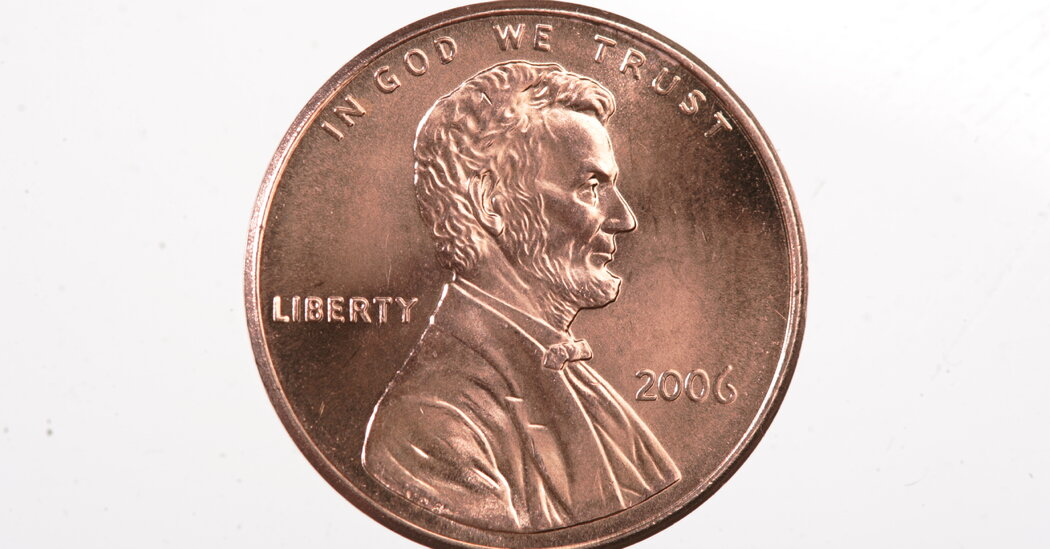
The United States Mint has officially pressed its final batch of pennies, ending the run of a coin that has been part of American life for over two centuries.
The very last 1‑cent pieces were struck on Wednesday at the Philadelphia Mint.
What was once a symbol of thrift, good luck, and even a handy tool for coin flips will now become a piece of American history.

“Today, we retire the penny,” announced Derek Theurer, performing the duties of Deputy Secretary of the Treasury, during remarks delivered at the same mint where the very first U.S. pennies were created more than 230 years ago.
U.S. Treasurer Brandon Beach called the moment historic, noting that the last time America discontinued a coin was the half-cent back in 1857.
Beach personally stamped the final pennies at the event. These special coins bear a unique Omega mark and will not enter circulation — instead, they will be auctioned off to collectors.
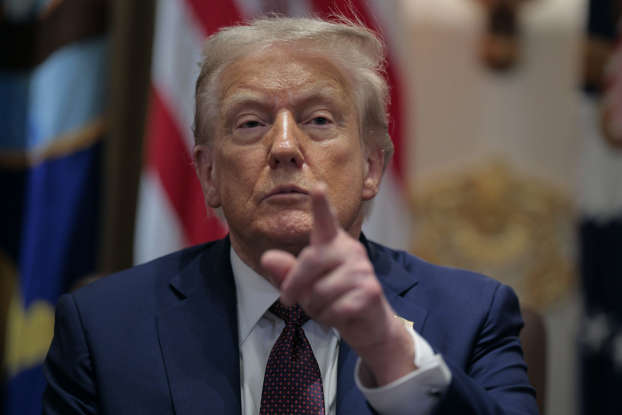
“Given the rapid modernization of the American wallet, the Department of the Treasury and President Trump no longer believe continued penny production is fiscally responsible or necessary,” Beach said. He emphasized that the cost of minting a single penny has soared to 3.69 cents — more than triple its face value.
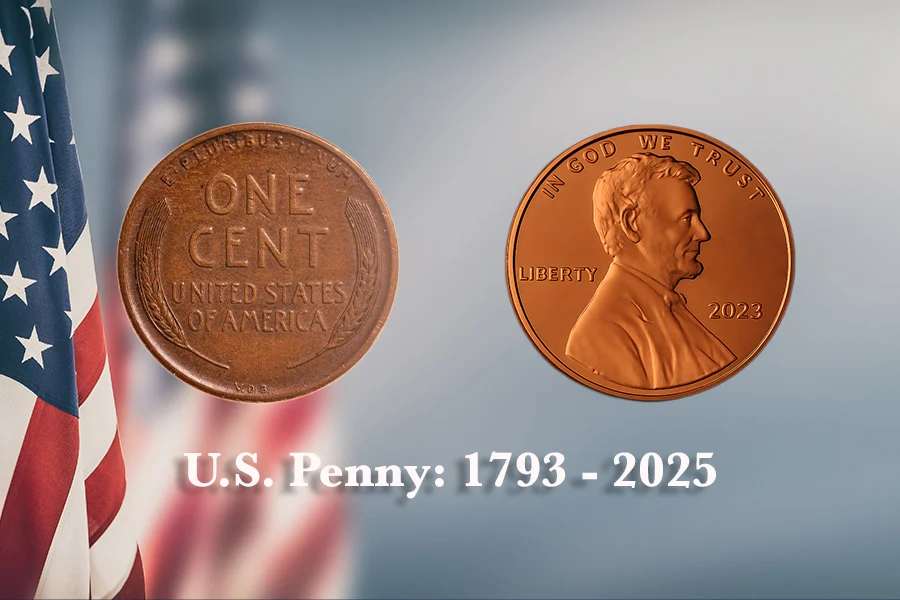
Despite production ending, Beach clarified one important point:
“Although today we say goodbye to our copper one-cent coin, the penny remains legal tender. Over 300 billion pennies are still in circulation, and we encourage you to use them.”
Why the Penny Is Ending
President Donald Trump had signaled the move months earlier in a Truth Social post, criticizing the cost of penny production.
“For far too long the United States has minted pennies which literally cost us more than 2 cents,” he wrote. “This is so wasteful! I have instructed my Secretary of the Treasury to stop producing new pennies. Let’s rip the waste out of our great nation’s budget, even if it’s a penny at a time.”
According to the Mint’s annual report to Congress, penny production resulted in $85.3 million in losses in fiscal year 2024 alone.
A Final Look at the Penny’s Long Life
The story of America’s 1‑cent coin stretches back to 1787, when the very first unofficial penny — the Fugio cent — appeared. These early coins were made from the metal bands that once held together French gunpowder kegs shipped to the U.S. during the Revolutionary War.
The official U.S. one-cent piece debuted in 1793. At the time, it was nearly as large as today’s quarter.

Over the next two centuries, the penny evolved multiple times in both design and composition. Abraham Lincoln’s portrait was added in 1909 to mark the centennial of his birth, making him the first real person to appear on U.S. coinage.
Though its value diminished over the decades, the penny remained a familiar companion in American pockets — tossed into fountains, used for coin tosses, and collected in jars nationwide.
Now, after more than 230 years, its final chapter has been written.
From this point on, a penny saved really will be a piece of history saved.







Post Comment