“Beyond the Tomb: The Many Who Rose Before and After Jesus”
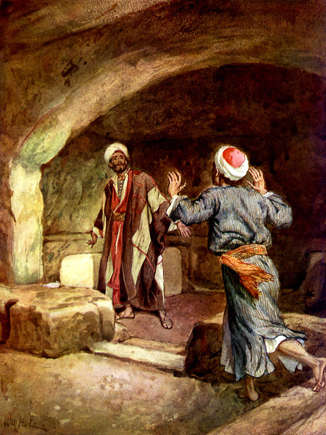
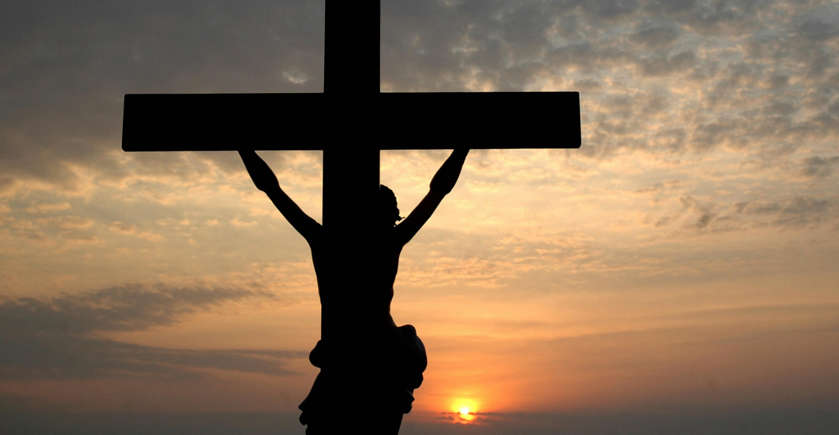
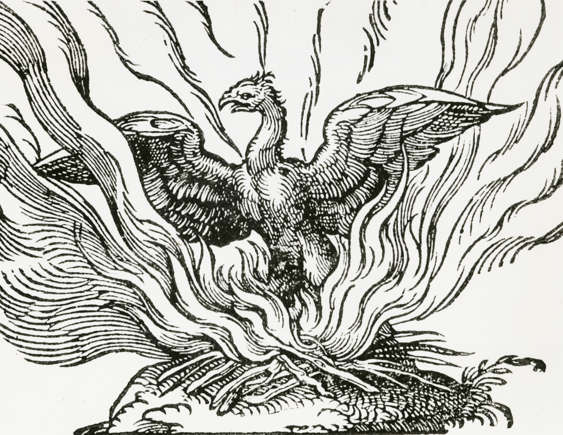
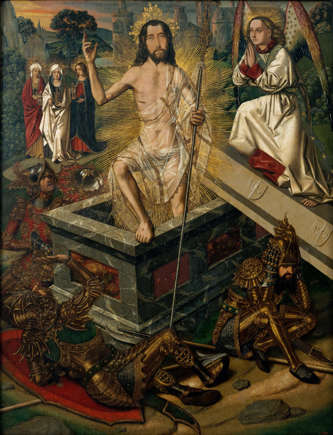
Resurrection — the miracle of returning from the dead — is most famously linked with Jesus Christ, whose rising became the heart of Christian faith. Yet long before the Gospels, ancient civilizations were already telling stories of gods, heroes, and lovers who crossed the threshold between life and death. From Tammuz in Mesopotamia to Osiris in Egypt and Hades’ realm in Greece, the idea of life reborn has echoed across cultures for thousands of years.
Tammuz: The First to Fall and Rise
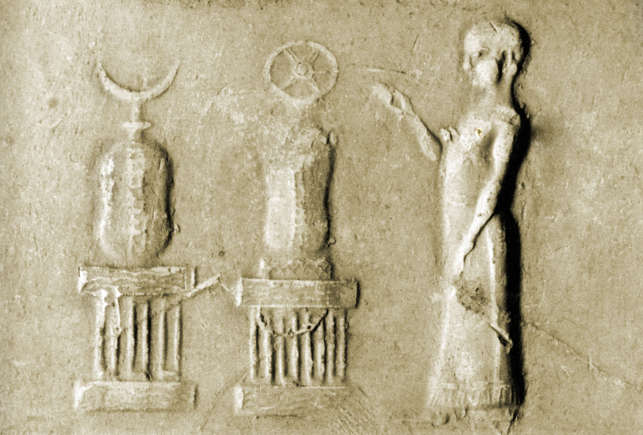
In the cradle of civilization, the Sumerians told of Dumuzi, later known as Tammuz, the beloved shepherd-king of the goddess Inanna. When Inanna descended into the underworld, Tammuz was left to rule above. But upon her return, she condemned him to take her place below — a punishment that would become a cosmic cycle. For half the year, Tammuz remained among the dead; for the other half, he returned to the living world, bringing with him fertility and new life.
His story, celebrated with mourning in midsummer and joy in spring, may be one of the earliest expressions of the resurrection theme — the land dying in the heat, only to bloom again.
Osiris: The Reassembled King
Farther west, along the Nile, the Egyptians worshiped Osiris, the god of life, death, and rebirth. Betrayed and dismembered by his jealous brother Set, Osiris was lovingly gathered and reassembled by his wife Isis. Her devotion brought him back to life — not to rule the living but to reign over the afterlife, judging souls and ensuring that death itself would lead to renewal.
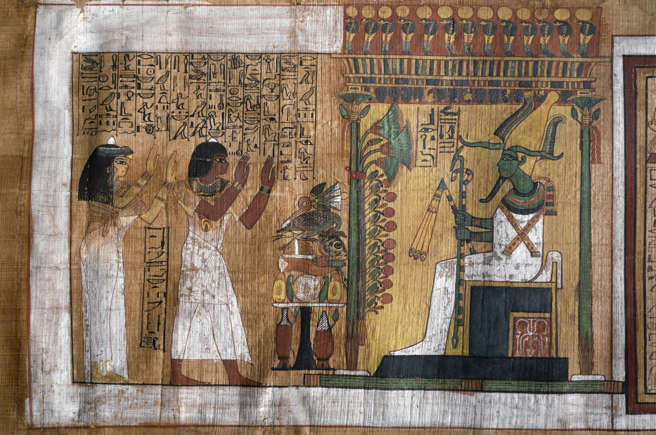
Every year, as the Nile flooded its banks, Egyptians saw the same miracle repeated: fertile soil returning after drought, crops springing from death to life — the divine rhythm of Osiris himself.
Greek Myths: Descent and Return
The Greeks found their own metaphors for resurrection in the cycle of the seasons. Persephone, daughter of Demeter, was stolen by Hades and taken to the underworld. Her mother’s grief withered the earth, until a deal was struck: Persephone would return for part of the year, and in her re-emergence, spring would bloom again.
In these tales, resurrection wasn’t always eternal — sometimes it was cyclical, tied to nature’s heartbeat. The Greeks also told of Dionysus, torn apart by Titans and restored to life, whose rebirth embodied the wild joy of the vine and the promise that life always finds a way back.
Biblical Echoes: Life After Death
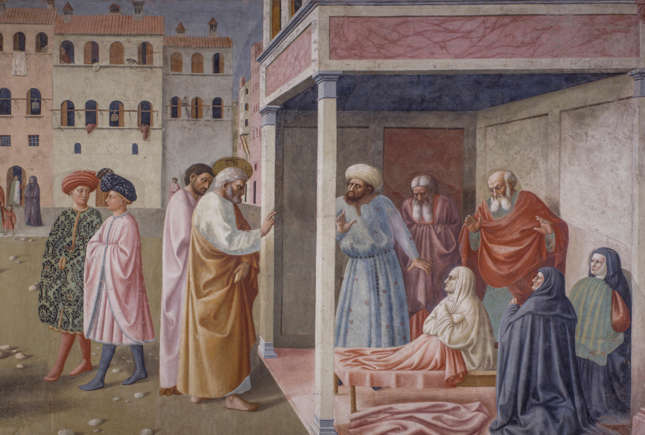
The Bible continues this lineage of hope. Long before Jesus, the prophets Elijah and Elisha were said to have raised the dead through prayer and divine power. In the Gospels, Jesus himself brought Lazarus back to life — a miracle that foreshadowed his own resurrection and cemented the Christian belief that death could be conquered forever.
The Universal Hope
Across every faith and epoch, these stories share a single, shimmering truth: humanity has always resisted the finality of death. Whether through divine power, love, or the turning of the seasons, we find meaning in the return — in the idea that something of us, or our world, will rise again.
The resurrection myth endures because it is not just about gods. It is about us. It is the seed that bursts after winter, the dawn after darkness, the promise that even in our deepest sorrow, renewal waits patiently beneath the soil.












Post Comment