When the Shadows Fell Across Daytime: Remembering Dark Shadows
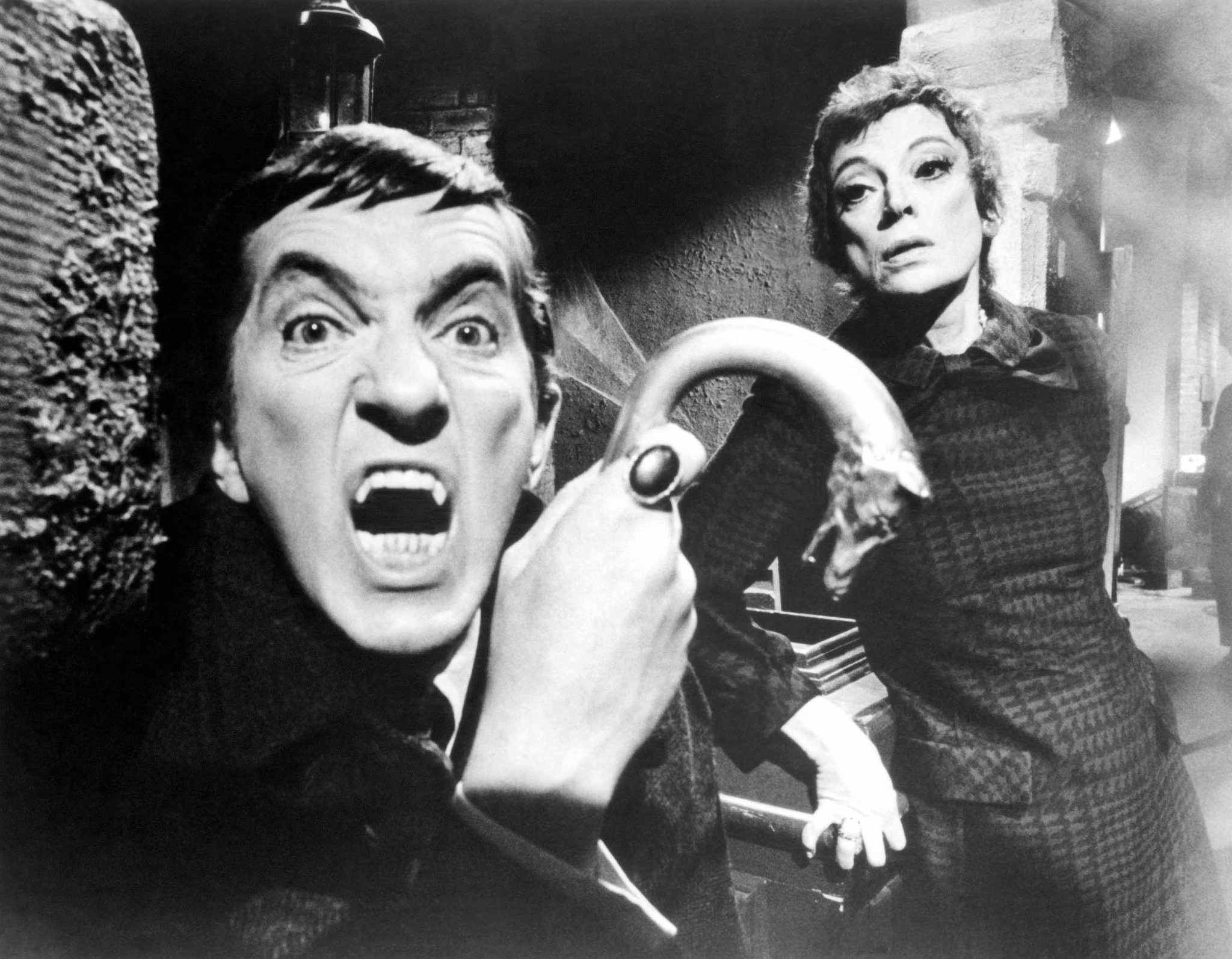
There are television shows that come and go, and then there are shows that carve out a strange, unforgettable place in the cultural memory. Dark Shadows was one of those. Premiering in 1966 as a gothic soap opera, it seemed destined to be just another entry in the daytime rotation. But then came the twist that changed everything: vampires, ghosts, witches, and all manner of supernatural beings began haunting the halls of Collinwood.
For kids coming home from school in the late ’60s and early ’70s, this wasn’t just a soap opera—it was a daily ritual. Imagine the atmosphere: the flickering television set, the dimly lit living room, and that haunting organ music that announced the beginning of the show. Even before Barnabas Collins appeared on screen, the mood was unmistakable.
Barnabas, of course, became the star—a reluctant vampire cursed by fate and driven by longing. Played by Jonathan Frid, he wasn’t the polished monsters of old Hollywood. He was tragic, awkward, and strangely human. To many viewers, especially younger ones, Barnabas was their first introduction to gothic horror mixed with raw emotion.
The show had a charm all its own. Sets wobbled, lines were occasionally flubbed, and you could sometimes spot a crew member in the background. But that was part of the magic. It felt alive, unpredictable, like theater captured on tape. For a soap opera, Dark Shadows was daring. It played with time travel, parallel universes, and centuries of cursed family history. You never quite knew where the story would go next, but you always knew it would feel both eerie and oddly comforting.
For those who grew up with it, Dark Shadows is more than just an old TV show—it’s a time capsule. It takes us back to after-school afternoons, sitting cross-legged on the carpet, caught between childhood and the gothic mysteries unfolding in Collinwood. It was spooky, yes, but it was also strangely safe. Like the thunder in the opening credits, it rumbled in the background of our youth, reminding us that imagination can make even daytime television feel like midnight.












Post Comment