The Most Dangerous Time to Sleep: Doctor Warns It Could Cause 4 Health Problems
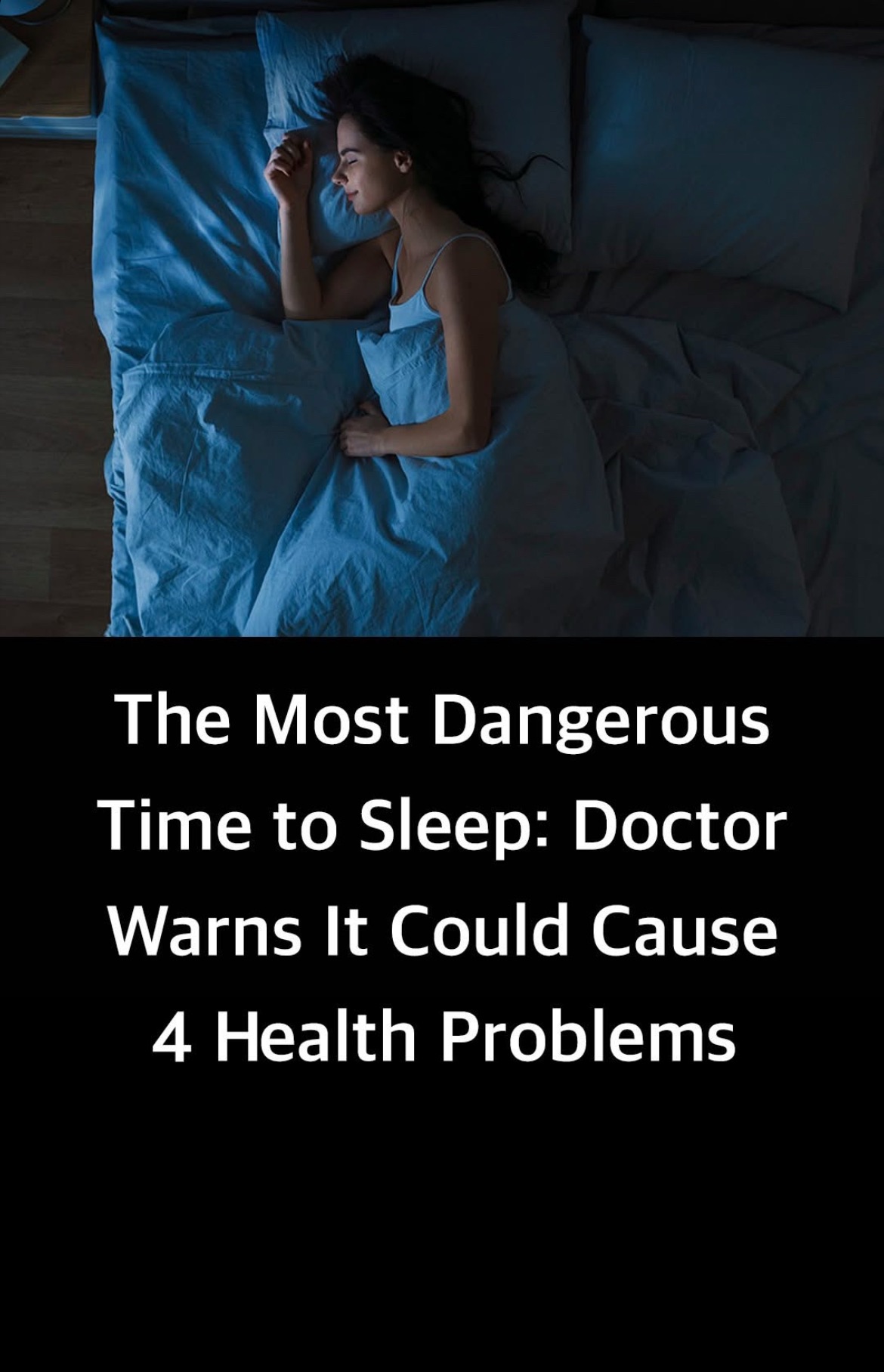
The best time to go to sleep is something most people rarely think about. In today’s world, everyone is busy, overbooked, and constantly connected. We work long hours, squeeze in chores and errands, and often spend late nights scrolling through our phones or finishing tasks. With so much going on, sleep tends to take a backseat. It’s common for bedtime to shift later and later, depending on the day’s demands. But when we start falling asleep at random hours, it throws off our natural rhythms. Our bodies are wired to follow a daily cycle tied to light and dark, called the circadian rhythm. Ignoring that clock may seem harmless at first, but over time, it can interfere with how well we function. Sleep timing isn’t just about convenience. Doctors and researchers are now pointing to the importance of when you sleep, not just how much rest you get.
What Dr. Sethi Is Seeing in His Office

Source: Instagram @doctor.sethi
Dr. Saurabh Sethi, a California-based gastroenterologist, has noticed a trend. More and more of his patients are showing symptoms that may be linked to poor sleep patterns. Many are complaining of symptoms that can drastically impact their lives if left untreated. While these issues may have many causes, Dr. Sethi often finds one common link: people are going to sleep too late. He explains that the body has a natural rhythm for rest and repair. When that rhythm is ignored, the body begins to struggle. Staying up late interrupts hormonal balance and disrupts the processes that help your brain and gut work properly. Dr. Sethi emphasizes that health is not just about how long you sleep, but also about when you sleep. Timing makes a difference, especially over weeks and months.
Why Sleep Is a Biological Powerhouse

Source: Pexels
Sleep is far from a passive state; it is a period of intense biological activity that keeps every major system running smoothly. During deep sleep, growth hormone peaks, tissues repair, and immune cells multiply, restoring the body after daytime demands. At the same time, the brain’s “glymphatic” network flushes out metabolic waste that can impair cognition if allowed to build up. Researchers note that these nightly maintenance jobs depend on entering the correct sleep stages at the right times, something erratic schedules can easily disrupt.
Large-scale analyses confirm the stakes. A 2017 meta-analysis covering more than 300,000 adults found that sleeping seven to nine hours on a regular schedule was linked to the lowest risk of major cardiovascular events, while both shorter and longer sleep raised that risk significantly. Recent reviews by the American College of Cardiology echo these findings, underscoring sleep’s role in heart, metabolic, and immune health.
Midnight Might Be the Worst Time to Fall Asleep

Source: YouTube
According to Dr. Sethi, “If you regularly stay up past midnight, you might experience several health issues.”
“This means you are generally getting less than seven to nine hours of sleep.” That is because your body misses its most crucial rest period. He points out that deep sleep and REM sleep typically begin earlier in the night. These stages are important for mental clarity, emotional balance, and physical recovery. If you delay sleep until after midnight, your body may not enter these stages at the right times. That can lead to long-term health effects, even if you sleep a full eight hours. Dr. Sethi says that sleeping before midnight helps your body sync with its natural circadian rhythm. Your brain and organs function better when you align your schedule with this clock. The best time to go to sleep is whenever you can dedicate 7 to 9 total hours to it. The later you fall asleep, the more damage you might be doing to your system.
Late Bedtimes Can Lead to Weight Gain

Source: YouTube
One of the major side effects of poor sleep timing is weight gain. Dr. Sethi explains that when people sleep after midnight, their hunger hormones shift. This affects leptin and ghrelin, two chemicals that control appetite. Ghrelin increases hunger, while leptin helps you feel full. When you sleep too late, ghrelin spikes and leptin drops. That means more cravings and less satisfaction from meals. Late sleepers are also more likely to snack at night, especially on unhealthy foods. This can lead to extra calories and slower metabolism. Studies show that people who sleep earlier tend to have lower body fat and better control over cravings. Aligning your schedule with the best time to go to sleep helps regulate hunger and supports healthier eating habits. Weight management starts with good sleep timing.
Read More: The Mind-Blowing Truth About How People In Different Countries Sleep And Rest
Your Mood Will Probably Decline Over Time

Source: Pexels
Going to sleep too late does not just affect your body. It also has a major impact on your mental health. Dr. Sethi says poor sleep timing can reduce serotonin levels, a chemical that helps regulate mood. People who stay up past midnight often report feeling anxious, irritable, or even sad. Without enough deep sleep, the brain has a harder time processing emotions and stress. This creates a cycle where bad sleep leads to low mood, which then makes it harder to sleep well. Over time, late nights can contribute to depression or anxiety. Research supports this, showing a link between late bedtimes and mood disorders. If you want to improve your emotional health, aim for the best time to go to sleep so your brain has time to recover properly
Stress Hormones Increase When You Sleep Late

Source: Pexels
Dr. Sethi also warns about the connection between late sleep and high stress. When you stay up past your body’s natural sleep window, your cortisol levels go up. Cortisol is the hormone responsible for stress. High levels of cortisol at night can make it hard to relax and stay asleep. The result is poor-quality rest and more stress the next day. This hormonal imbalance can affect your heart health, immune system, and energy levels. It can even lead to high blood pressure and weight gain. When cortisol remains high for long periods, your body is stuck in a state of tension. Going to sleep during the best time to go to sleep helps lower cortisol naturally. Your body gets a chance to calm down, recover, and function at its best.
You Might Struggle to Focus and Think Clearly
Source: Pexels
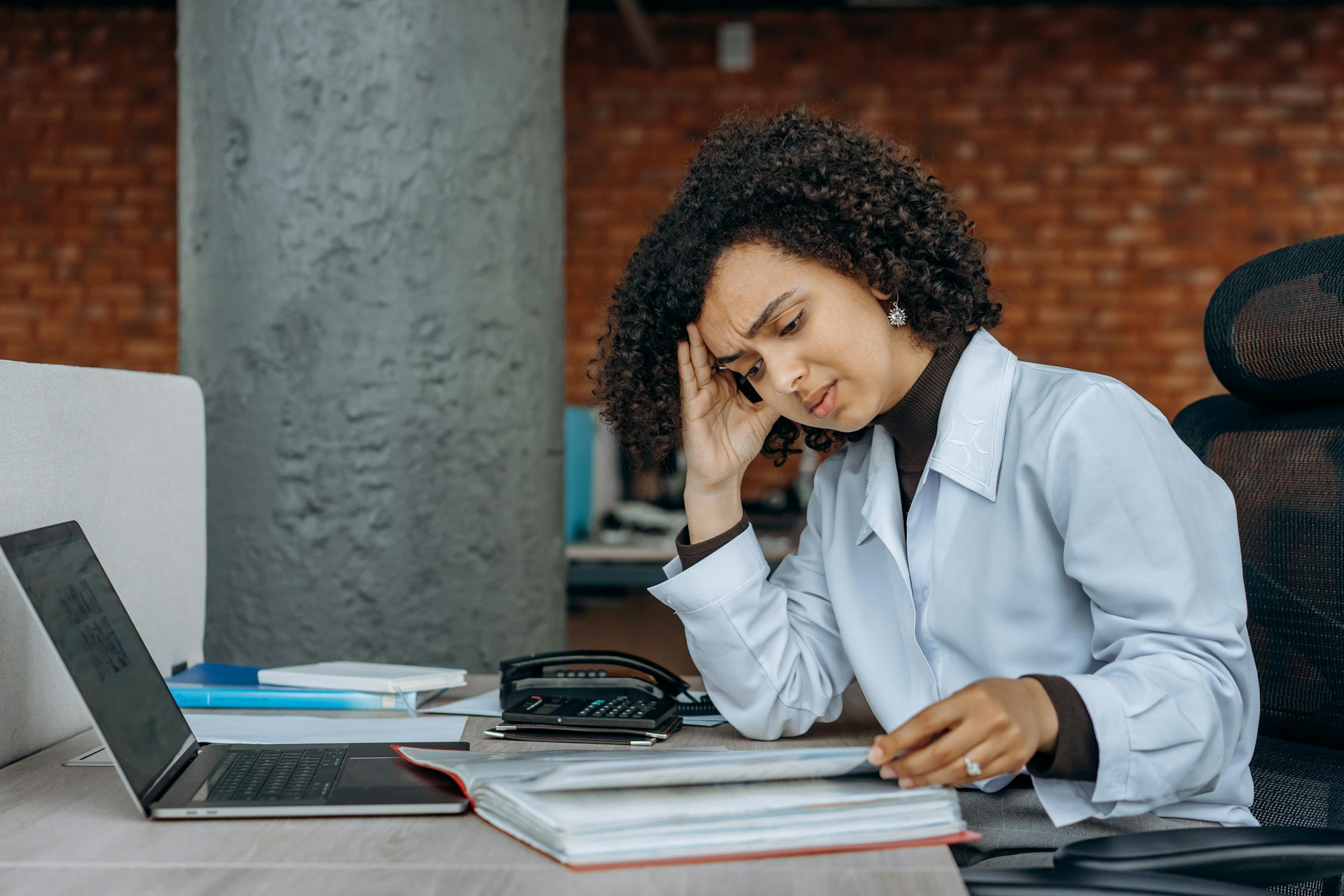
Another downside to late nights is a drop in cognitive function. Dr. Sethi says that people who stay up too late often complain about brain fog and poor memory. This is because deep and REM sleep are essential for processing information and storing memories. When you go to sleep after midnight, you may cut into these important stages. Over time, this can make it harder to concentrate, make decisions, or learn new things. Children and teenagers are especially sensitive to these effects, but adults are not immune. Studies show that people who stick to a consistent sleep schedule and sleep earlier perform better at work and school. Choosing the best time to go to sleep gives your brain the time it needs to recover, reset, and stay sharp.
Sleep Timing Matters Just as Much as Sleep Length

Source: YouTube
We often hear that getting enough sleep is important, but the timing of your sleep matters just as much. Dr. Sethi’s advice is simple. Go to sleep before midnight, ideally between 9:30 and 11:00 PM. This is when your body is best prepared to enter deep, restorative sleep. It supports hormone balance, reduces stress, and helps with memory and focus. Even if you sleep eight hours, going to bed too late can undo many of the benefits. Prioritizing the best time to go to sleep is one of the easiest ways to protect your health. Set a routine, limit screen time before bed, and try to wind down earlier. Your body and brain will thank you. Small changes in sleep timing can lead to big improvements in how you feel each day. To watch Dr. Sethi’s full video on this topic, you can go HERE.