Israel threatens ‘Tehran will burn’ after Iran revenge strikes
Story by Dan Morrison, USA TODAY
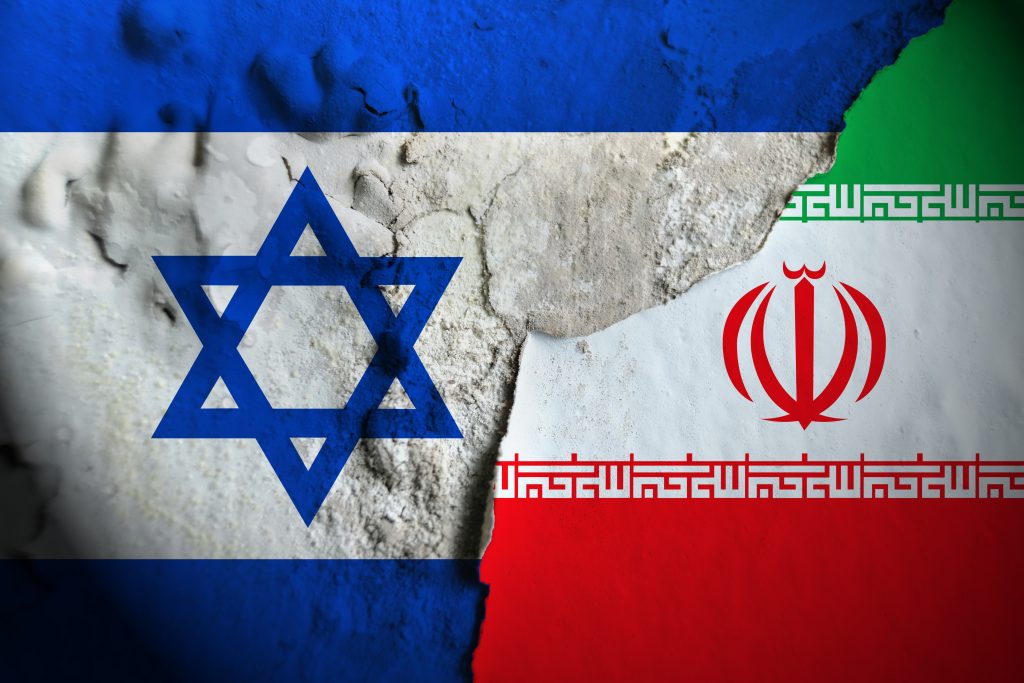
WASHINGTON − Israel’s defense minister warned that “Tehran will burn” if Iran continues retaliatory strikes on the Israeli “homefront,” as fears grew of a long, disruptive conflict between the regional arch-enemies.
Iran and Israel continued trading missiles and airstrikes on June 14, a day after Israel launched a sweeping air offensive against its old enemy, killing commanders and scientists and bombing nuclear sites in a bid to prevent Tehran from building a nuclear weapon.
Shortly before 10pm local time, Iran’s state TV said “heavy and destructive” attacks against Israel were developing.
“Our pilots over the skies of Tehran,” Israeli Prime Minister Benjamin Netanyahu said from an undisclosed location. “We will strike every site, every target of the ayatollahs’ regime and what they have felt so far is nothing compared with what they will be handed in the coming days.”
Iranian state TV reported that around 60 people, including 20 children, had been killed in an attack on a housing complex, with more strikes reported across the country as Israel said it had attacked more than 150 targets.
Air raid sirens sent Israelis into shelters as missiles streaked across the sky and interceptors rose to meet them, killing at least three people. An Israeli official said Iran had fired around 200 ballistic missiles in four waves.
Despite U.S. help in shooting down incoming missiles, Iranian fire hit residential districts. Israeli Defense Minister Israel Katz said Iran had crossed a line.
“If Khamenei continues to fire missiles at the Israeli home front, Tehran will burn,” he said in a statement, singling out Iranian Supreme Leader Ali Khamenei.
President Donald Trump has lauded Israel’s strikes and warned of much worse to come unless Iran quickly accepts the sharp downgrading of its nuclear program the U.S. has demanded in talks that had been due to resume on June 15.
But with Israel saying its operation could last weeks, and urging Iranians to rise up against their Islamist clerical rulers, fears have grown of a regional war dragging in outside powers, with global economic and financial repercussions.
Britain is moving additional military assets, including fighter jets, to the Middle East, Prime Minister Keir Starmer said on June 14.
Iran vowed to avenge the June 13 Israeli onslaught, which gutted Tehran’s nuclear and military leadership and damaged nuclear plants and military bases, killing 78 people − including civilians, according to Iran’s U.N. envoy.
Tehran warned Israel’s allies that their regional military bases would come under fire too if they help shoot down Iranian missiles, Iranian state television reported.
Also on June 14, Iraq called on the United States to prevent Israeli aircraft from breaching Iraqi airspace to carry out attacks against Iran, citing bilateral agreements and international law.
“The Iraqi government urges the United States to uphold its responsibilities under the agreements signed between the two countries and prevent aircraft belonging to the Zionist entity from once again violating Iraqi airspace,” military spokesman Sabah al-Numan said in a statement.
Iran’s allies falter
Iran’s own ally, the Yemeni Houthi group, fired missiles at Israel the night of June 13; at least one appeared to go astray, injuring five Palestinians, including three children, in the Israeli-occupied West Bank, the Palestinian Red Crescent said.
However, 20 months of war in Gaza and a conflict in Lebanon last year have decimated Tehran’s strongest allies, Hamas in Gaza and Hezbollah in Lebanon, reducing its ability to project power across the region along with its options for retaliation.
“Iran spent decades building up its so-called Axis of Resistance that was supposed to be the vanguard that made Israel think twice about attacking Iran,” Mohamad Bazzi, director of New York University’s Middle East center, told USA TODAY. “That’s disappeared.”
Gulf Arab states that have long mistrusted Iran but fear coming under attack in any wider conflict have urged calm as the price of crude rose by about 7% on June 13.
Blasts and fear in Israel and Iran
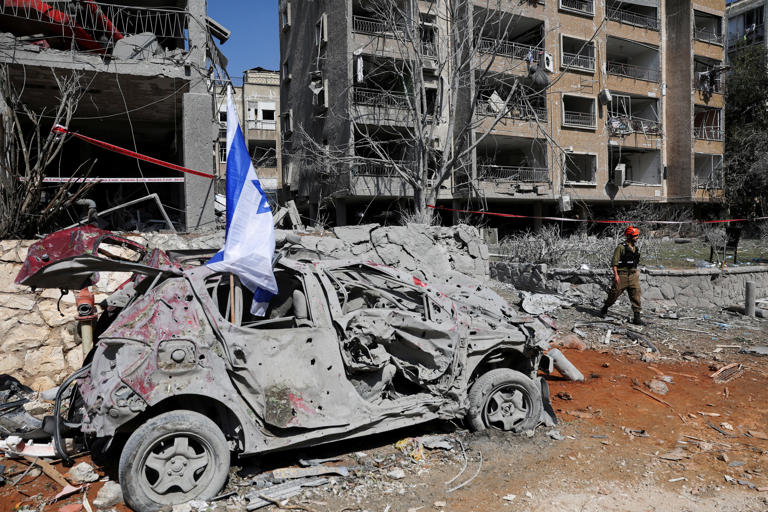
A rescue worker walks past a damaged vehicle at an impact site following missile attack from Iran on Israel, in Ramat Gan, Israel, June 14, 2025.© Ronen Zvulun, REUTERS
Iran’s overnight fusillade included hundreds of ballistic missiles and drones, an Israeli official said. Three people, including a man and a woman, were killed and dozens wounded, the ambulance service said.
The Israeli military said it had intercepted surface-to-surface Iranian missiles as well as drones, and that two rockets had been fired from Gaza.
With Iran’s air defences heavily damaged, Israeli Air Force chief Tomer Bar said “the road to Iran has been paved.”
In Iran, explosions were heard overnight across the capital, state media reported.
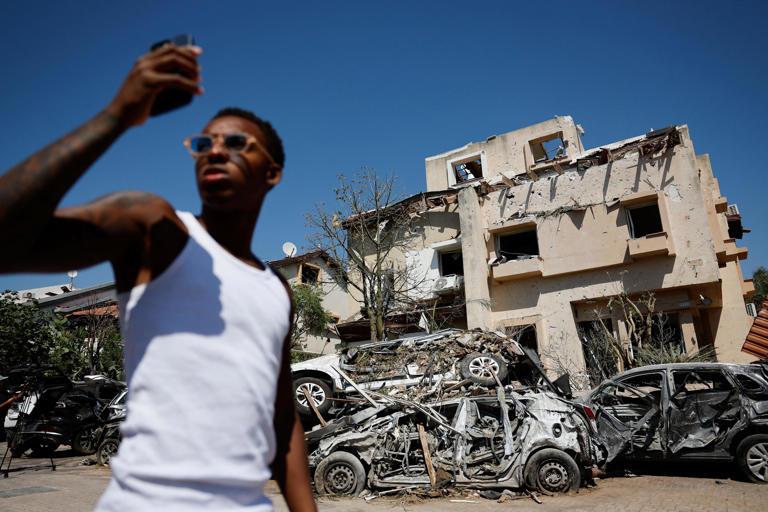
A man uses his smartphone in front of destroyed cars at an impact site following missile attack from Iran on Israel, in Rishon LeZion, Israel, June 14, 2025.© Ammar Awad, REUTERS
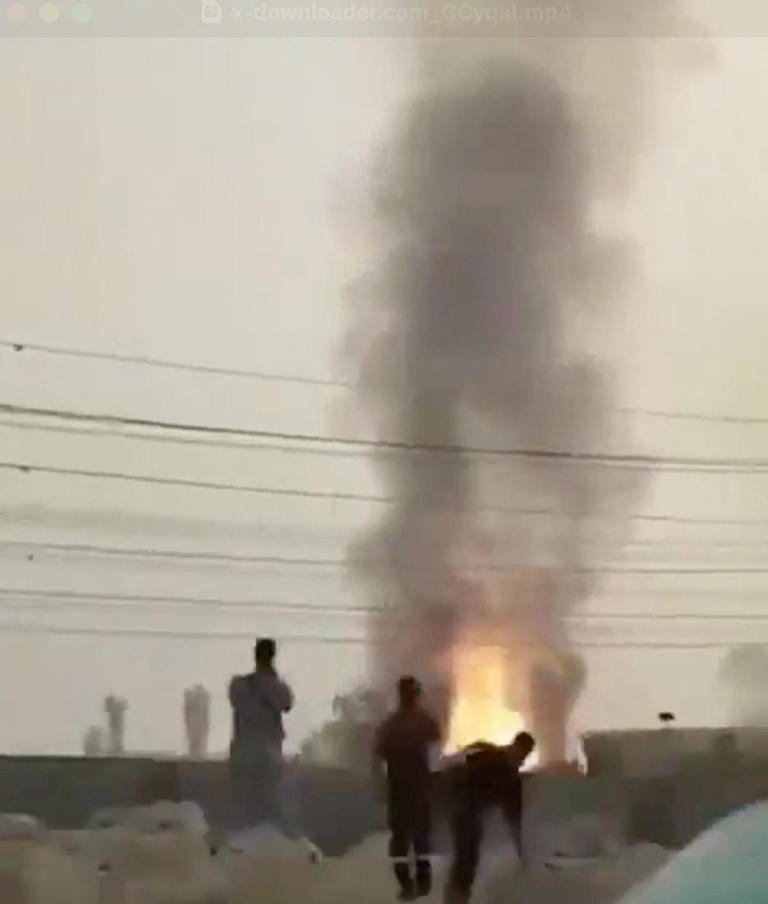
People look at fire burning at South Pars gas field, in Tonbak, Bushehr Province, Iran, in this screen grab from a handout video released on June 14, 2025.© UGC, via REUTERS
Gas production was partially suspended at part of Iran’s offshore South Pars field — the world’s largest gas field — following an Israeli attack on June 14, the semi-official Tasnim news agency reported.
Iran nuclear sites damaged
Israel sees Iran’s nuclear programme as a threat to its existence, and said the bombardment was designed to avert the last steps to production of a nuclear weapon — even though U.S. intelligence says it has seen no sign that this is imminent.
“We were at the 90th minute,” Netanyahu said. “There was a race by Iran’s nuclear teams to bring about the creation of nuclear bombs, atomic weapons intended for the destruction of Israel.”
Israel said it had killed nine Iranian nuclear scientists, and that the damage to the nuclear facilities at Esfahan and Natanz would take “more than a few weeks” to repair.
The International Atomic Energy Agency said Israel hit four “critical buildings at Esfahan nuclear site” on June 13, including “the Uranium Conversion Facility and the Fuel Plate Fabrication Plant.” No radiation leaks were detected.
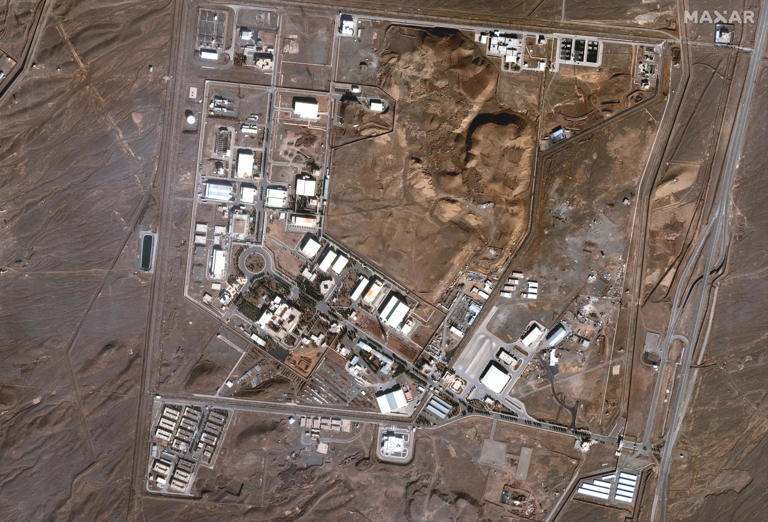
A satellite image shows the Natanz nuclear facility in Iran in this handout image dated January 24, 2025.© Maxar Technologies, via REUTERS
Tehran insists the program is entirely civilian in line with its obligations under the nuclear Non-Proliferation Treaty (NPT) and that it does not seek an atomic bomb.
However, it has repeatedly hidden parts of its program from international inspectors, and the International Atomic Energy Agency has reported it’s in violation of the NPT.
Israel, which is not an NPT signatory and is widely understood to have developed a nuclear bomb, has said it cannot let its main regional foe gain atomic weapons.
Iranian talks with the United States to resolve the nuclear dispute have stuttered this year.
Oman’s foreign ministry said June 15 talks between the U.S. and Iran were canceled. A U.S. official told USA TODAY Washington remained committed to negotiations.
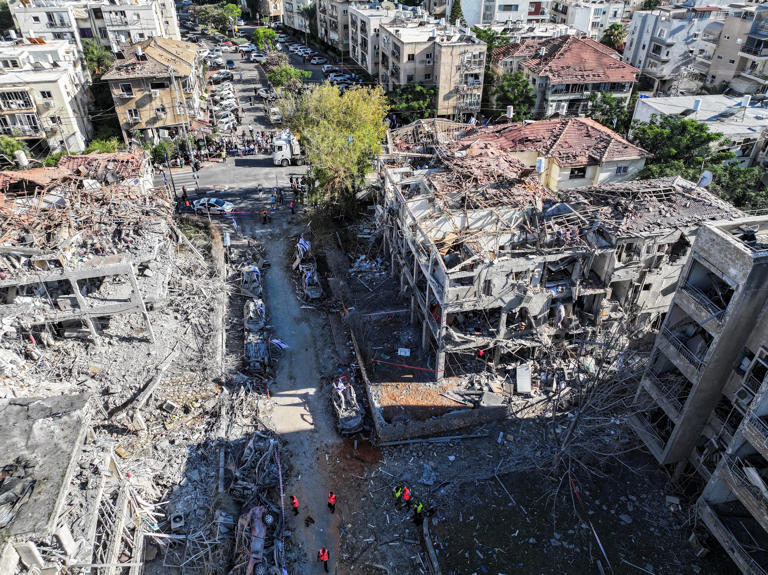
A drone photo shows the damage over residential homes at the impact site following missile attack from Iran on Israel, in Ramat Gan, Israel June 14, 2025.© YAIR PALTI, REUTERS
“The other side (the U.S.) acted in a way that makes dialogue meaningless. You cannot claim to negotiate and at the same time divide work by allowing the Zionist regime (Israel) to target Iran’s territory,” state media quoted foreign ministry spokesperson Esmaeil Baghaei as saying.












Post Comment