Angus Barbieri: The Man Who Didn’t Eat For 382 Days
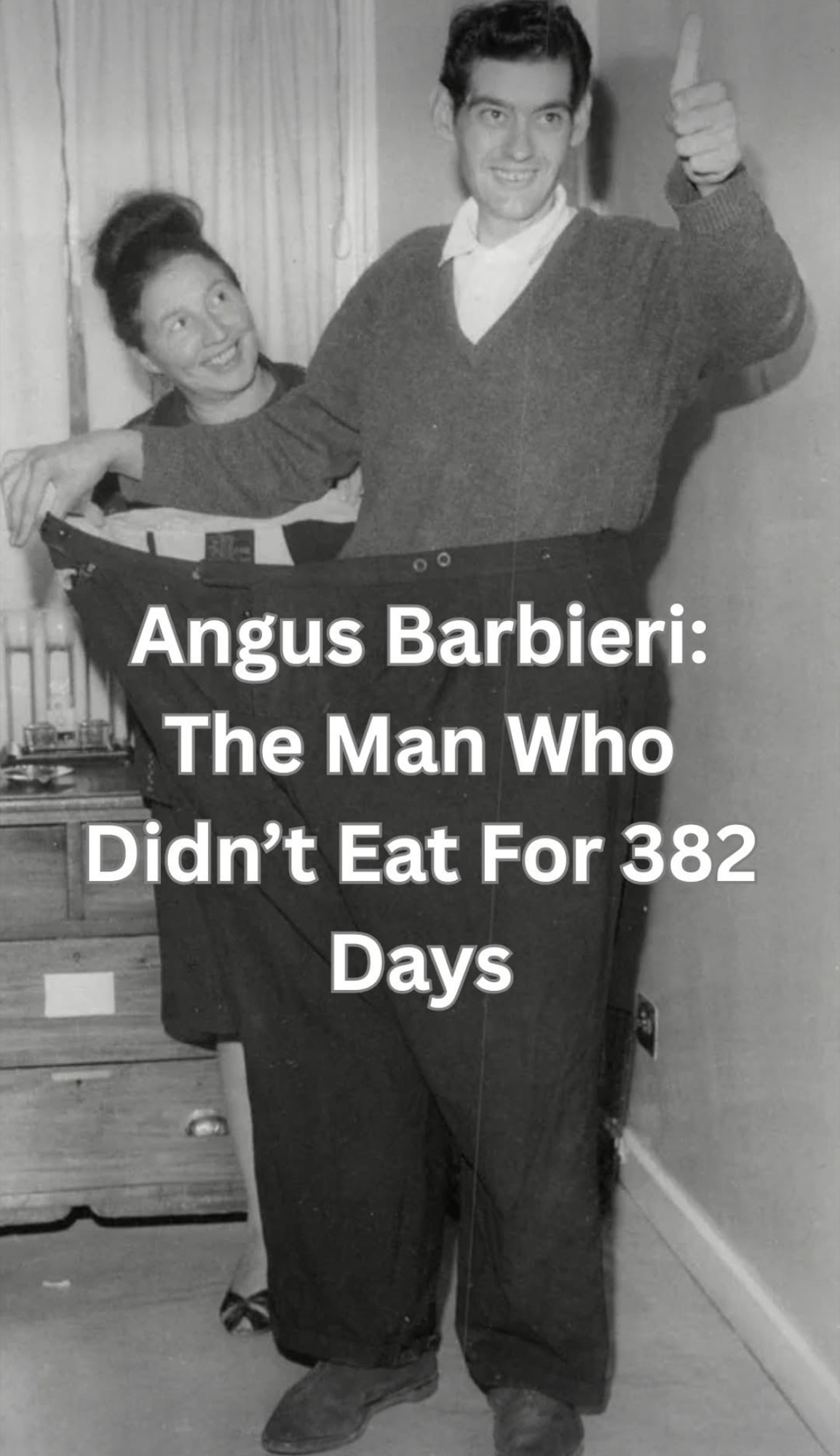
In June of 1965, Angus Barbieri, a seemingly average, normal Scottish man, captured the world’s attention. embarking on what would become an unbelievable 382-day fasting journey.
Barbieri shattered all records and expectations, stupefying scientists, and public onlookers.
Barbieri’s Life Before
Very little information is available about Barbieri and his life before his record-breaking fast and weight loss.
Barbieri was born in 1939 in Scotland and by all accounts lived a normal, uneventful life.
His father owned a fish-and-chips shop, with Barbieri joining the family business. By the start of his fast, Barbieri was working there for some time
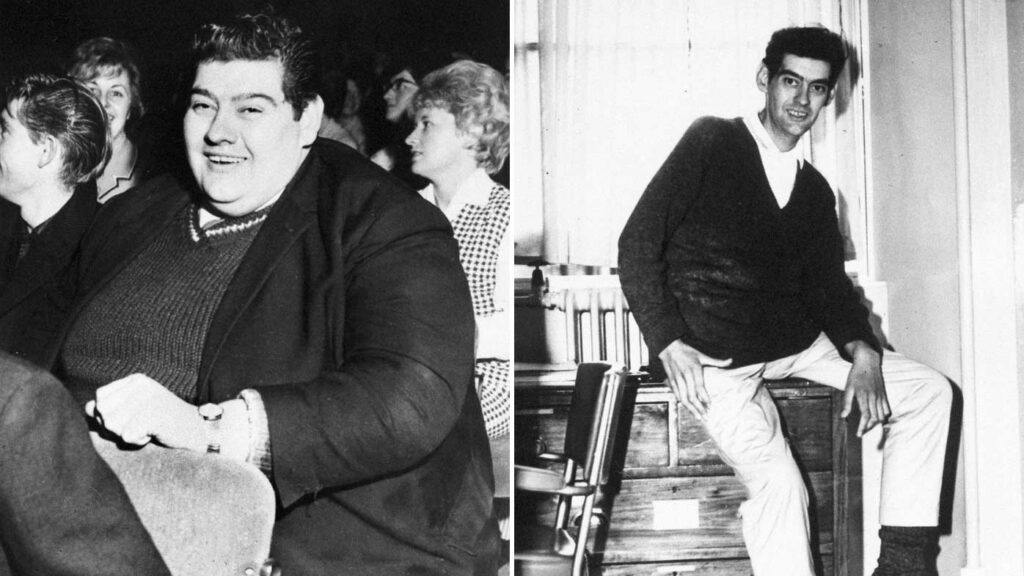
As a young adult living in Tayport, Scotland, issues with his weight began to be apparent. By 27 years old Barbieri weighed 456 pounds.
In June 1965, the 27-year-old was voluntarily admitted to a hospital in Dundee, Scotland. He hoped that he would walk out with his weight in check.
Only a short fast was planned. But Barbieri would instead go on to fast for an astonishing 382 days.
Angus Barbieri’s Fast
In June 1965, Barbieri marched into the University Department of Medicine at the Royal Infirmary of Dundee. He weighed 456 pounds, and he committed to fasting his way to health.
Barbieri quickly blew past the initial plan of a short fast. But he was determined to continue.
As part of the fasting process, the consumption of any food was off the table. He was only allowed vitamins, electrolytes, some yeast for important amino acids, and finally, beverages like black coffee, tea, and sparkling water.
Some would take offense with the fact that Barbieri occasionally took his tea and coffee with a little milk or sugar, but in all reality, his calorie intake remained close to zero for the entire duration of the fast.
He used both intermittent fasting as well as the ‘starvation diet.’ This was a prolonged fast for weight loss. Because during a fast, the body turns to its own fat stores for energy through a process called autophagy.
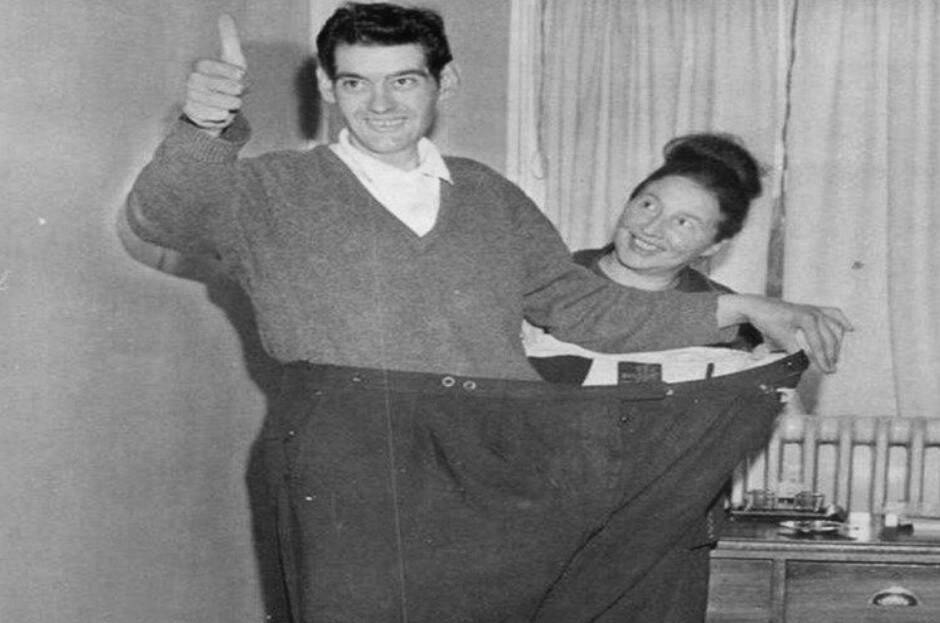
And during the fast, Barbieri was losing weight quickly.
Barbieri was shedding almost a pound a day on average. Monthly, he was losing around 22 pounds.
As the months passed, Barbieri held to the fast. The number on the scale continued to fall. Impressively, he was free to come and go from the Maryfield Hospital where Angus’s doctors were continually monitoring him. While at home, he always resisted all temptations.
The fast wasn’t all great, of course. He quit working at his father’s fish and chip shop on Nelson Street. One can imagine the mental and physical difficulties of such a protracted, strict fast.
Barbieri’s ultimate weight loss goal was to reach 180 pounds. At that point, he planned to end his ludicrous fast.
He broke his fast that July morning with a boiled egg and some bread with butter. He told the onlooking press after that “It went down OK. I feel a bit full, but I thoroughly enjoyed it.”
After the fast, Barbieri was almost completely unrecognizable from older pictures of himself. He could reportedly even fit two people alongside him in his old clothes.
Angus Barbieri fasted for 382 days and lost a mind-blowing 276 pounds in that time.
His story quickly gained international attention, and newspapers as far away as the United States reported on his incredible feat.
The nearby University of Dundee was so stunned and intrigued, they were keen to examine the effects of long-term fasting on the body and conducted a study on Barbieri.
Today, he remains an iconic figure, a testament to the remarkable things the human body is capable of.
Challenges, Skepticism, and Science
Angus Barbieri’s fast was met with plenty of controversy and skepticism.
The question was the same that has always been asked: How long can a man go without food? Barbieri’s fast went far beyond what almost anyone thought possible.
Even if he proved it possible to last an entire year and 17 days without food, many still could simply not believe that such an extensive period could be healthy.
Yet, despite all manner of doubts from family, the press, and even his doctors, Barbieri persisted.
After his fast, doctors W. K. Stewart and Laura W. Fleming at the University of Dundee led a study on Barbieri to judge the effects of his fast.
They found that his prolonged fast had resulted in “no ill-effects.”
The science supported Barbieri’s own beliefs. He believed he could forgo food for over a year with no problems and achieve his goal.
Record and Legacy
To this day, Angus Barbieri’s record fast of 382 days without food stands alone, unbroken. It may never be challenged.
In 1971, Barbieri’s fast was recorded in The Guinness Book of Records as the longest fast ever recognized.
Another man, Dennis Galer Goodwin, went on a 385-day hunger strike in 1973. But he was force-fed during the period, and so Barbieri’s record still holds.
According to Guinness officials, Barbieri still holds the record for the longest fast without solid food. However, they no longer endorse or support any records related to fasting, including Barbieri’s, due to concerns about encouraging unsafe behavior.
Barbieri’s story is one of determination and resilience, but also hope. It resonates with countless individuals seeking to accomplish their own amazing feats