Ted Cruz raging after Tucker asks him some provocative questions about Iran-Israel War
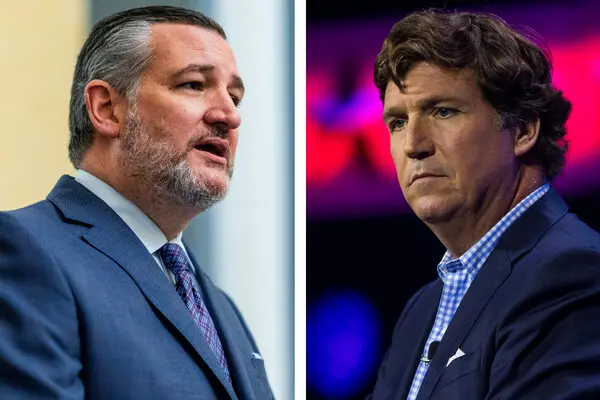
You don’t know anything about IRAN!!!
The discussion between Tucker Carlson and Senator Ted Cruz, highlighted in a clip from Carlson’s show, centers on Cruz’s advocacy for military action against Iran, despite his apparent lack of detailed knowledge about the country.
Carlson challenges Cruz on basic facts about Iran, such as its population, which Cruz admits he does not know, leading to a tense exchange where Carlson questions the feasibility of Cruz’s position given his ignorance of fundamental details.
This exchange occurs amidst a broader context of escalating tensions between Israel and Iran, with recent Israeli airstrikes targeting Iranian nuclear and military sites, prompting Iranian retaliation and raising concerns about U.S. involvement.
The U.S. has not directly participated in the attacks on Iran but has supported Israel defensively, while President Trump considers potential military actions, creating a divide within his administration and among his supporters.
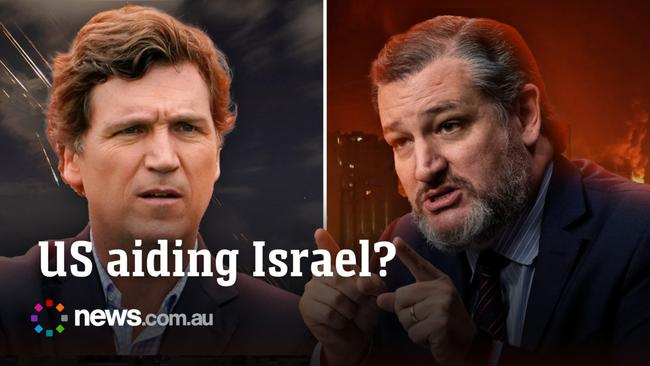
Cruz’s stance aligns with other Iran hawks like Senator Lindsey Graham, who advocate for strong military responses, contrasting with the “America First” isolationist views held by some of Trump’s base, including Carlson.
The clip’s release coincides with a period of intense diplomatic activity, including nuclear talks between Iran and Western powers, and Trump’s fluctuating rhetoric on Iran, which has included threats and overtures for dialogue.
Cruz later defended himself against Carlson’s critique, accusing him of playing “gotcha” politics and disputing Carlson’s claims about Iran’s intentions towards Trump, indicating a deeper rift within conservative circles over foreign policy.
The discussion reflects ongoing debates about presidential war powers, with Democratic senators like Tim Kaine proposing resolutions to limit executive action against Iran without congressional approval, highlighting the broader political and constitutional implications.
Trump’s approach to the Middle East, influenced by Gulf states’ lobbying, adds another layer of complexity, as he navigates between military action and diplomatic solutions, potentially impacting U.S.-Israel relations and regional stability.
FULL INTERVIEW!!!








Post Comment