Don Williams’ “Lord, I Hope This Day Is Good” Became a Prayer for a Nation and a Defining Moment in Country Music
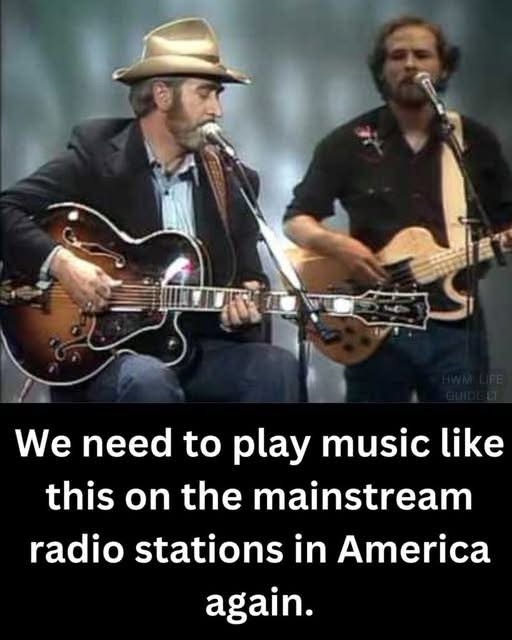
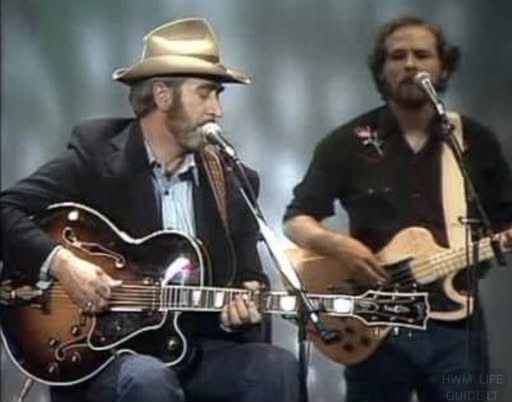
Released in 1981, Don Williams’ “Lord, I Hope This Day Is Good” quickly resonated with millions across America, capturing a spirit of quiet optimism and longing during a time of social and economic uncertainty. The song, which became a number-one hit on the Billboard Hot Country Singles chart in early 1982, stood out for its simplicity, sincerity, and emotional resonance. Unlike the flashier country tracks of the era, this gentle ballad became a humble anthem of hope, making it one of the most beloved entries in Williams’ discography.
Don Williams, often dubbed the “Gentle Giant” of country music, had by then carved out a distinct space in the industry with his smooth baritone, laid-back demeanor, and songs that offered comfort and reflection. Born in Texas and raised in a musical environment, Williams initially found fame with the folk-pop group the Pozo-Seco Singers in the 1960s before transitioning to a solo career in the early ’70s. What set him apart was his ability to deliver profound emotion with a quiet, steady voice—eschewing theatrics for authenticity.
“Lord, I Hope This Day Is Good” was penned by Dave Hanner, one half of the country duo Corbin/Hanner. Hanner’s inspiration reportedly came from the everyday challenges people faced—moments of doubt, worry, or simply needing reassurance that tomorrow might be better. The song wasn’t inspired by a single event but rather by a universal feeling. Its lyrics tap into a deeply human plea: the desire for just one good day when everything feels right.
https://googleads.g.doubleclick.net/pagead/ads?client=ca-pub-8645802975343811&output=html&h=390&slotname=9102768313&adk=184670737&adf=2250651002&pi=t.ma~as.9102768313&w=390&abgtt=6&lmt=1750606336&rafmt=1&format=390x390&url=https%3A%2F%2Fprairiepicks.com%2Fqn4g1ul0ap%2F&fwr=1&fwrattr=true&rpe=1&resp_fmts=3&sfro=1&wgl=1&dt=1750606335815&bpp=1&bdt=1338&idt=1131&shv=r20250617&mjsv=m202506170101&ptt=9&saldr=aa&abxe=1&cookie_enabled=1&eoidce=1&prev_fmts=0x0%2C390x390%2C390x390&nras=1&correlator=3417864802734&frm=20&pv=1&u_tz=120&u_his=1&u_h=844&u_w=390&u_ah=844&u_aw=390&u_cd=24&u_sd=3&adx=0&ady=2205&biw=390&bih=655&scr_x=0&scr_y=0&eid=95353386%2C95362436%2C95362656%2C95344789%2C95359266%2C95364330%2C95364391&oid=2&pvsid=875572205794463&tmod=636518530&uas=1&nvt=1&ref=http%3A%2F%2Fm.facebook.com%2F&fc=1920&brdim=0%2C0%2C0%2C0%2C390%2C0%2C390%2C655%2C390%2C655&vis=1&rsz=%7C%7CoeEbr%7C&abl=CS&pfx=0&fu=128&bc=31&bz=1&pgls=CAEaBTYuOC4x&ifi=4&uci=a!4&btvi=2&fsb=1&dtd=1132
The recording process matched the spirit of the song—uncluttered, graceful, and emotionally centered. Produced by Don Williams himself along with Garth Fundis, the track features a sparse arrangement with gentle acoustic guitar, subtle steel guitar touches, and a rhythm section that never overpowers. Williams’ voice, calm and conversational, floats effortlessly above the instrumentation, delivering each line with a quiet reverence that feels more like a prayer than a performance.
Upon its release as the second single from his album Especially for You, the song began to climb the charts, eventually reaching number one in February 1982. It spent a total of 19 weeks on the chart and became Williams’ twelfth song to top the country chart. Its popularity wasn’t limited to country fans—“Lord, I Hope This Day Is Good” found crossover appeal on soft rock and adult contemporary stations, reflecting its broad emotional reach.
https://googleads.g.doubleclick.net/pagead/ads?client=ca-pub-8645802975343811&output=html&h=390&slotname=9102768313&adk=184670737&adf=3913384433&pi=t.ma~as.9102768313&w=390&abgtt=6&lmt=1750606336&rafmt=1&format=390x390&url=https%3A%2F%2Fprairiepicks.com%2Fqn4g1ul0ap%2F&fwr=1&fwrattr=true&rpe=1&resp_fmts=3&sfro=1&wgl=1&dt=1750606335816&bpp=1&bdt=1339&idt=1133&shv=r20250617&mjsv=m202506170101&ptt=9&saldr=aa&abxe=1&cookie_enabled=1&eoidce=1&prev_fmts=0x0%2C390x390%2C390x390%2C390x390&nras=1&correlator=3417864802734&frm=20&pv=1&u_tz=120&u_his=1&u_h=844&u_w=390&u_ah=844&u_aw=390&u_cd=24&u_sd=3&adx=0&ady=3484&biw=390&bih=655&scr_x=0&scr_y=0&eid=95353386%2C95362436%2C95362656%2C95344789%2C95359266%2C95364330%2C95364391&oid=2&pvsid=875572205794463&tmod=636518530&uas=1&nvt=1&ref=http%3A%2F%2Fm.facebook.com%2F&fc=1920&brdim=0%2C0%2C0%2C0%2C390%2C0%2C390%2C655%2C390%2C655&vis=1&rsz=%7C%7CoeEbr%7C&abl=CS&pfx=0&fu=128&bc=31&bz=1&pgls=CAEaBTYuOC4x&ifi=5&uci=a!5&btvi=3&fsb=1&dtd=1134
The song arrived at a time when America was facing a recession, political tension, and cultural division. Its message—modest, hopeful, and grounded—offered a kind of musical sanctuary. Many listeners saw it as a spiritual lifeline, whether or not they identified as religious. It wasn’t preachy or dogmatic; instead, it felt like a neighbor speaking from the porch swing, reminding everyone that better days could come.
For Don Williams, the success of this song solidified his reputation not only as a hitmaker but as a voice of comfort in turbulent times. Already a fixture on country radio, the track helped him reach new audiences and reinforced the idea that country music could be gentle, introspective, and universally resonant without losing its roots
Its impact extended beyond Williams’ own career. The song influenced a generation of country artists—both in sound and sentiment. Writers and performers began to embrace more understated, emotionally reflective material, paving the way for the softer side of country that would emerge prominently in the late 1980s and early 1990s with artists like Vince Gill and Randy Travis.
“Lord, I Hope This Day Is Good” has been covered by several artists over the decades, including Anne Murray, Keb’ Mo’, and Lee Ann Womack, each bringing their own interpretation while preserving the song’s spiritual core. These renditions have introduced the track to new generations and showcased its enduring relevance.
Interestingly, the song continued to pop up during national moments of struggle. After 9/11, during natural disasters, and even throughout the COVID-19 pandemic, fans and radio hosts turned back to it for solace. Its lyrics remain timely: “I’m not saying I’m a righteous man, but Lord, I hope you understand.” That quiet humility continues to connect.
https://googleads.g.doubleclick.net/pagead/ads?client=ca-pub-8645802975343811&output=html&h=390&slotname=9102768313&adk=184670737&adf=3040873790&pi=t.ma~as.9102768313&w=390&abgtt=6&lmt=1750606339&rafmt=1&format=390x390&url=https%3A%2F%2Fprairiepicks.com%2Fqn4g1ul0ap%2F&fwr=1&fwrattr=true&rpe=1&resp_fmts=3&sfro=1&wgl=1&dt=1750606335818&bpp=1&bdt=1341&idt=1136&shv=r20250617&mjsv=m202506170101&ptt=9&saldr=aa&abxe=1&cookie=ID%3Ddbd19815134b04db%3AT%3D1750606337%3ART%3D1750606337%3AS%3DALNI_MYgKGIDGrIwZpiq4tbfpWzRvuRVlA&gpic=UID%3D00001159c66d917e%3AT%3D1750606337%3ART%3D1750606337%3AS%3DALNI_MbZ8l9Ok2bEWDx89RtPmPPDJqk_FA&eo_id_str=ID%3D6fd176b55b1d48f1%3AT%3D1750606337%3ART%3D1750606337%3AS%3DAA-AfjYrHfC_7y539iLLV626HB4O&prev_fmts=0x0%2C390x390%2C390x390%2C390x390%2C390x390%2C390x390&nras=1&correlator=3417864802734&frm=20&pv=1&u_tz=120&u_his=1&u_h=844&u_w=390&u_ah=844&u_aw=390&u_cd=24&u_sd=3&adx=0&ady=4413&biw=390&bih=655&scr_x=0&scr_y=0&eid=95353386%2C95362436%2C95362656%2C95344789%2C95359266%2C95364330%2C95364391&oid=2&pvsid=875572205794463&tmod=636518530&uas=3&nvt=1&ref=http%3A%2F%2Fm.facebook.com%2F&fc=1920&brdim=0%2C0%2C0%2C0%2C390%2C0%2C390%2C655%2C390%2C655&vis=1&rsz=o%7C%7CoeEbr%7C&abl=CS&pfx=0&fu=128&bc=31&bz=1&pgls=CAEaBTYuOC4x&ifi=7&uci=a!7&btvi=5&fsb=1&dtd=3372
Williams was known for staying out of the limelight, rarely courting media attention or controversy. But when asked about the song later in his career, he often acknowledged how deeply it resonated with fans. He saw it not just as a chart hit, but as a message that people needed—one he was proud to carry.
Even after his passing in 2017, “Lord, I Hope This Day Is Good” continues to serve as a signature piece of his legacy. It’s featured prominently in tributes, retrospectives, and “best of” lists, and it’s often cited as a perfect example of how a simple song can carry profound emotional weight.
The track also set a precedent for blending country music with soft-spoken spirituality in a way that didn’t alienate secular audiences. It inspired both production choices and vocal stylings in later recordings across genres, reminding artists and producers alike that restraint can be more powerful than bombast.
In the end, “Lord, I Hope This Day Is Good” remains not just a fan favorite but a cultural touchstone—a reminder that music’s most lasting power lies in its ability to speak gently, honestly, and universally. For Don Williams, it was more than a hit; it was a timeless expression of hope that continues to echo long after the final chord fades.