Iran Attacks U.S. Bases in Qatar
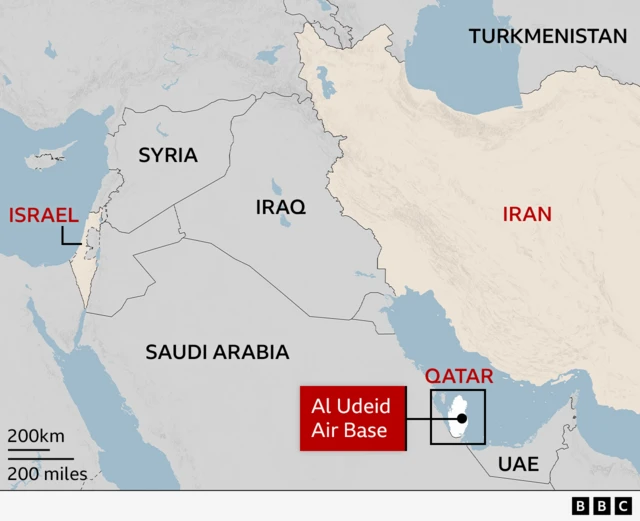
Iran launched at least six missiles at U.S. military outposts in Qatar on Monday in response to American airstrikes on three of its key nuclear facilities. Explosions were reported in Doha, though there were no immediate reports of casualties. This marks Iran’s most significant direct assault on U.S. targets since the 2020 missile strikes that followed the killing of Iranian General Qasem Soleimani. The U.S. Embassy in Qatar promptly issued a “shelter in place” advisory for American citizens in the area, emphasizing a heightened security posture. In parallel, the U.S. State Department advised Americans globally to remain vigilant amid rising tensions.
The missile strike signals a dramatic escalation in hostilities between Iran and the United States, with wider implications given the ongoing friction between Israel and Iran. Fox News reported that U.S. intelligence sources expect the possibility of additional Iranian retaliation within 48 hours. Already, regional travel and airspace have been disrupted as precautionary measures. The swift nature of Iran’s response reflects growing instability in the region and increasing difficulty in de-escalating the situation diplomatically.
President Donald Trump authorized the initial U.S. strikes on Iran’s nuclear sites, including Natanz, Isfahan, and Fordo, without obtaining congressional approval. He justified the move on national security grounds. Republican leaders in Congress have largely backed Trump’s decision, arguing that preemptive action was necessary to prevent Iran from developing nuclear weapons. They insist the strikes were defensive and proportionate, especially considering Iran’s history of hostile activity against the U.S. and its allies.
House Speaker Mike Johnson defended Trump’s decision, stating that the president acted within his legal authority due to the immediacy of the threat. Prominent Republican senators, including John Thune, John Barrasso, and Tom Cotton, also issued statements supporting the operation. They cited Iran’s pattern of aggression and disregard for diplomacy as justification for the targeted strikes. According to these lawmakers, preventing Iran’s nuclear advancement is vital for maintaining regional and global security.
Despite the severe nature of the confrontation, U.S. officials have clarified that these actions do not signify a formal state of war between the two countries. The Biden and Trump administrations alike have maintained that the strikes were narrowly focused on nuclear deterrence and not intended to provoke full-scale conflict. However, the fallout from these actions—both militarily and diplomatically—remains uncertain, with the potential for further escalation looming.
WATCH:









Post Comment