Meet Lukas: The Inspiring Journey of Living with Parry-Romberg Syndrome
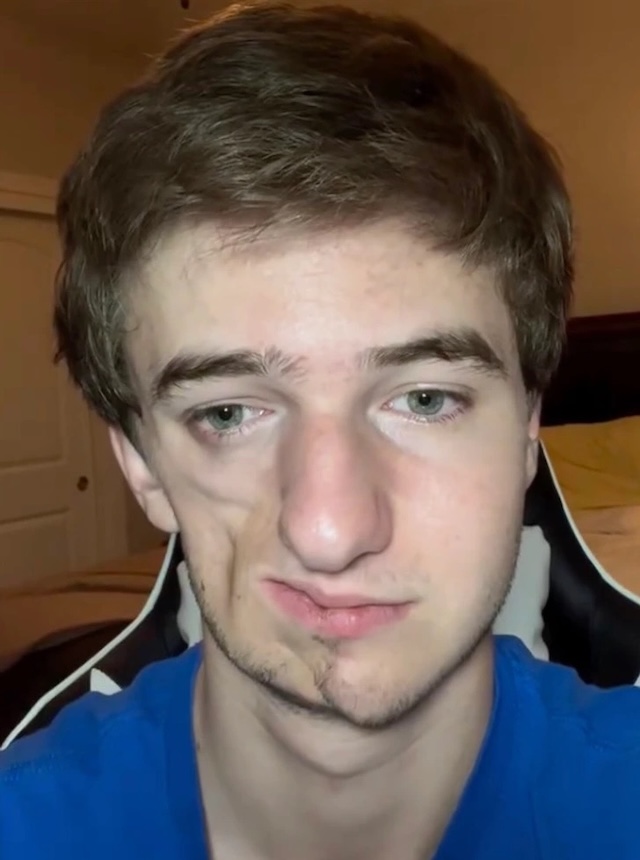
Lukas Caldwell, a 20-year-old college student from Nebraska, has become a beacon of hope for those living with rare diseases, particularly Parry-Romberg syndrome (PRS). His story is one of courage, resilience, and the power of social media to create positive change. As someone diagnosed with this rare neurological condition, Lukas has spent years navigating the physical, emotional, and social challenges it brings. Through his journey, Lukas is raising awareness, fostering empathy, and helping others feel understood and supported.
The Diagnosis: A Life-Changing Moment at the Age of 7
Lukas’ story began when he was just seven years old. His mother noticed an unusual discoloration on the right side of his face. After multiple doctor visits and a biopsy, Lukas was diagnosed with Parry-Romberg syndrome—a rare neurological disorder that affects the skin and soft tissues on one side of the face. Over time, the condition causes these tissues to shrink, leading to noticeable facial asymmetry. The condition, though extremely rare, is known to affect only one in 250,000 people, making Lukas’ experience all the more unique.
The progression of PRS is gradual, often beginning in childhood, and it typically affects only one side of the face. However, there have been rare cases where both sides are impacted. The cause of PRS remains unclear, with some doctors suspecting an autoimmune response while others point to genetics. Lukas’ case is particularly fascinating because his twin brother, Ben, has not been affected, suggesting that the condition may not be solely genetic.
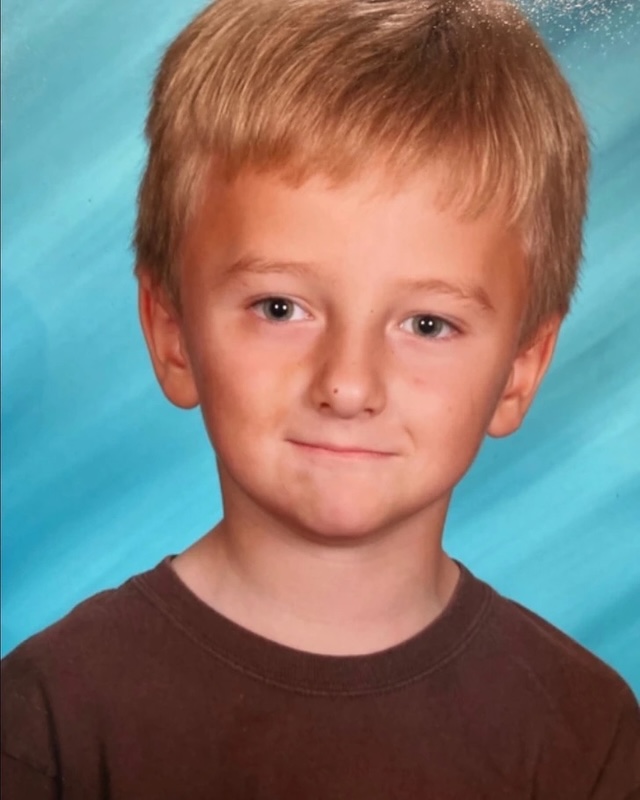
Watch this fascinating timelapse of Lukas Caldwell’s face in this unique video!
Physical and Emotional Challenges: A Tough Road to Acceptance
As Lukas’ condition worsened over the years, he began noticing changes in his appearance. The gradual transformation of his face was something difficult to accept, especially as he compared himself to others around him. This was not just a physical struggle, but an emotional one as well. Lukas was often subjected to teasing, with classmates calling him “half face” due to the visible asymmetry. One particular incident that stayed with him was when he was nine years old at a Walmart. A cashier laughed at his appearance and asked, “What happened?” It was a moment that Lukas didn’t know how to respond to, leaving him feeling self-conscious and isolated.
Despite these emotional struggles, Lukas found comfort and strength in his family, especially his twin brother Ben. Ben, unaffected by the syndrome, provided a sense of normalcy in Lukas’ life. Having Ben by his side reminded Lukas of what he might have looked like if PRS had not affected him, offering both comfort and motivation to keep moving forward despite the challenges.
Turning to Social Media: A Platform for Advocacy and Support
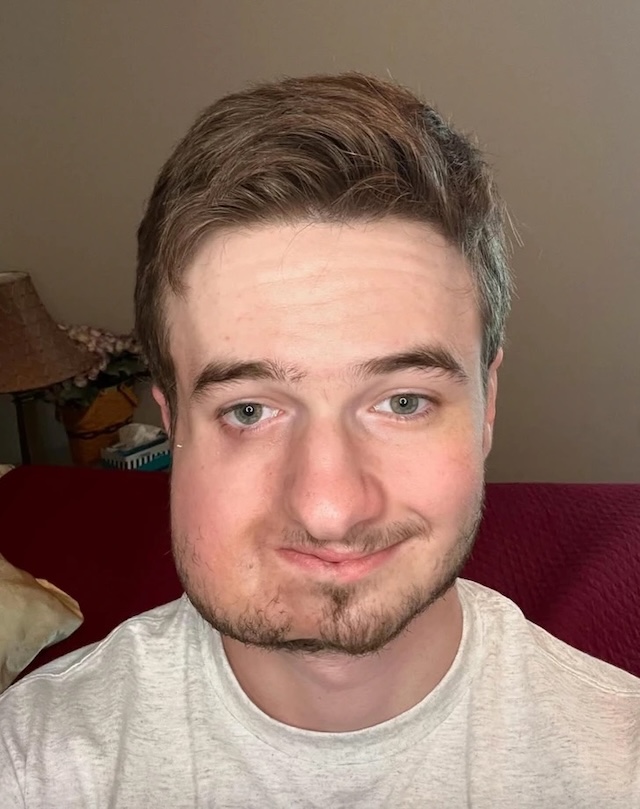
In high school, Lukas turned to social media as a way to cope with the struggles of living with a rare disease. His viral video featuring a symmetry filter sparked his decision to share his journey publicly. Lukas began documenting his experience on TikTok and Instagram, where he spoke openly about the emotional and physical challenges he faced, including the surgeries and treatments he underwent to restore facial symmetry.
As Lukas’ online presence grew, so did his community of followers, many of whom shared their own stories of living with rare conditions. These interactions fostered a sense of solidarity and provided a space where people could connect and support one another. Lukas encouraged his followers to embrace their uniqueness, teaching them that there is no shame in being different. His message of self-acceptance resonated deeply with many, helping them to heal emotionally and physically by confronting their own challenges.
A Journey of Healing: Sharing His Medical Process
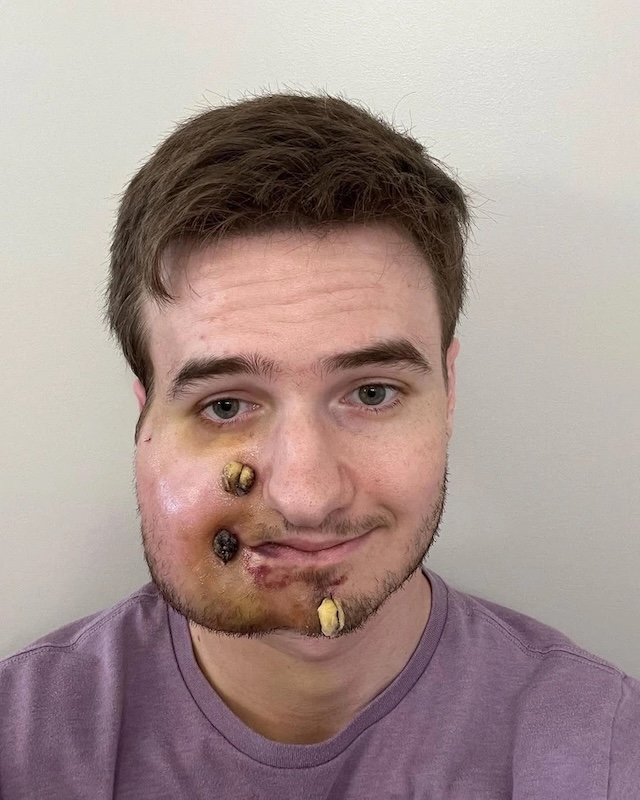
Lukas has been incredibly transparent about his ongoing medical journey. From doctor consultations to surgical procedures, he’s openly shared his experiences, including jaw surgery and fat transfer treatments, aimed at improving his facial symmetry. His candidness about the recovery process has helped normalize conversations about medical treatments, reducing the stigma often associated with procedures aimed at enhancing one’s appearance.
Through his posts, Lukas has been able to shed light on the realities of living with a condition like PRS. He hopes that his openness will inspire others to take charge of their health, regardless of their condition, and seek the care they need without shame.
Raising Awareness and Promoting Empathy
Lukas is not just raising awareness about Parry-Romberg syndrome but is also fostering a broader understanding of rare diseases. He uses his platform to spread kindness, urging others to avoid judgment based on appearance and instead focus on the challenges people face beneath the surface. Lukas’ story is a testament to the power of social media as a tool for change. Through his advocacy, he’s not only educating people about PRS but also encouraging empathy and compassion for all those living with rare conditions.
His message is clear: everyone has their own battles, and it’s important to show kindness and support to those who may be struggling. Lukas continues to inspire millions with his courage and determination, proving that even in the face of adversity, social media can be a powerful force for good.
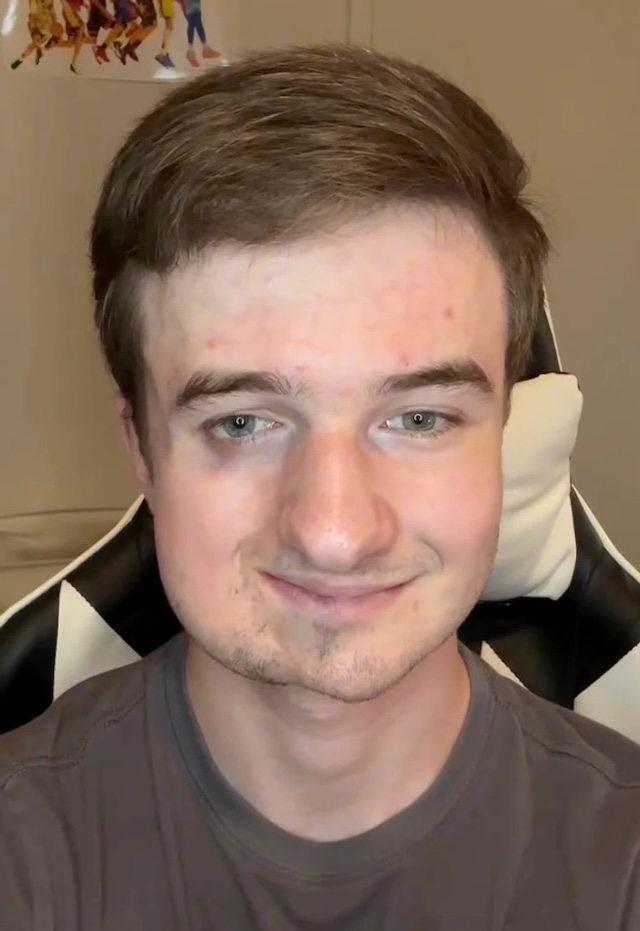
Lukas Caldwell’s journey is a powerful reminder that while rare diseases may isolate those who are affected, social media can bridge the gap, creating supportive communities and changing perceptions. By embracing his condition and sharing his experiences, Lukas is not only raising awareness for Parry-Romberg syndrome but also advocating for a more empathetic and understanding world.
Video
Watch this video to learn the incredible story of identical twins who are only the same on one side, featured on Born Different!










Post Comment