‘I tell my children not to play so we save money on soap’
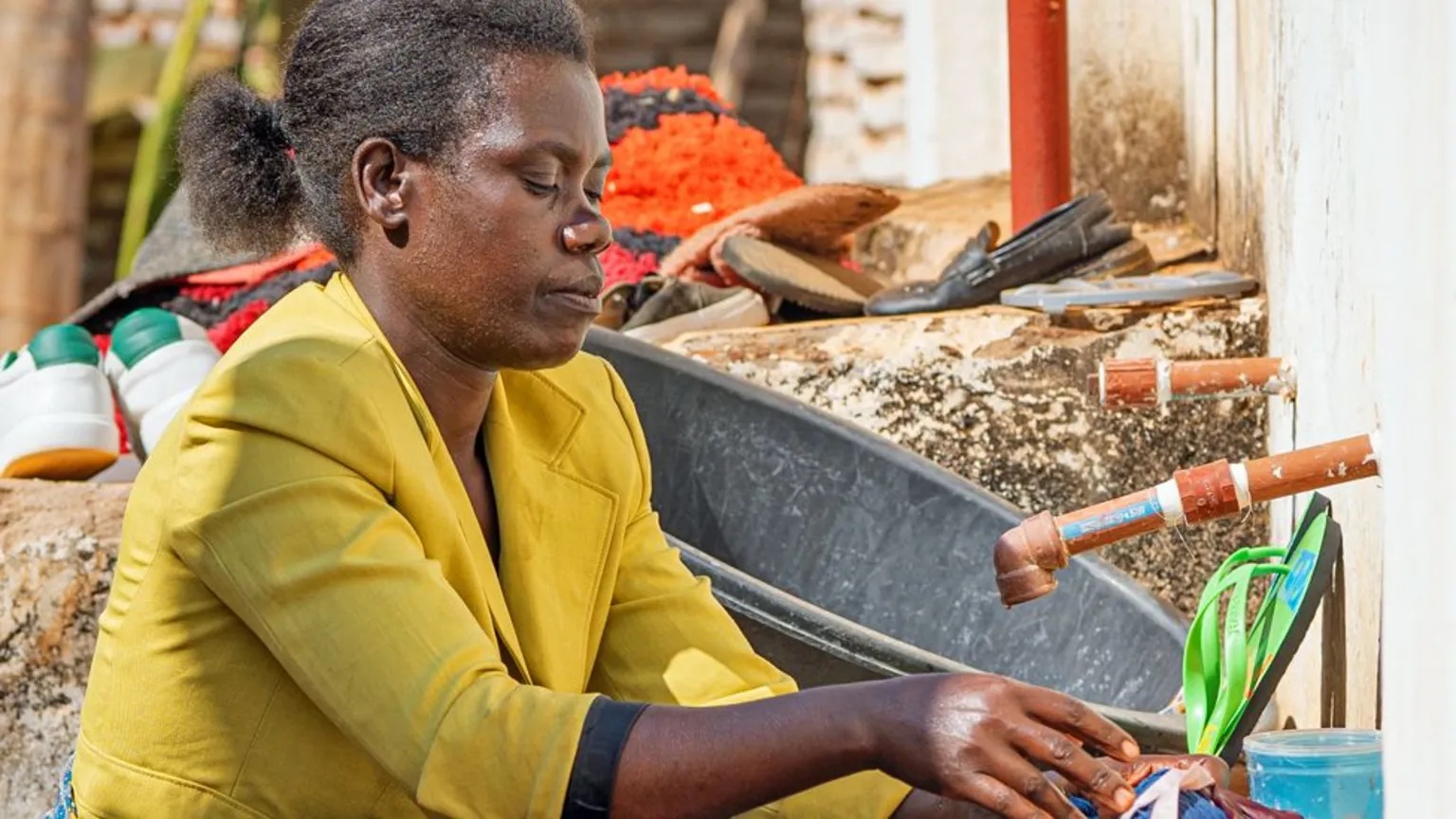
Suzanna Kathumba, a domestic worker in Malawi, spends every day thinking of ways she can economise to make her salary of 80,000 kwacha ($46; £34) a month stretch to support her family.
As she wrings a wet cloth from a bucket of water in the living room and starts by wiping down the tables and chairs, she considers her latest ploy to save money
I’ve told my youngest children not to get too dirty when playing so we can save on soap,” the 43-year-old
“But it’s hard because children are children, they want to play.”
For the past few months Ms Kathumba, a divorced mother of four working in the capital, Lilongwe, has been struggling to survive on her salary because of the surging prices of goods in the market.
With little financial support from her ex-husband, she is the sole earner for the household. Most of her money goes back to her four children, who live in their home town of Kasungu, around 130km (80 miles) north-west of capital. The two youngest children are still in school and two older ones are unemployed
In May, the annual inflation rate in Malawi was 27.7% — one of the highest in Africa — a decline from 29.2% in April
“What is surprising is that salaries are staying the same, but the price of commodities keeps going up on a daily basis,” Ms Kathumba said.
“The money finishes before it even comes. We’re living a very hard life.”
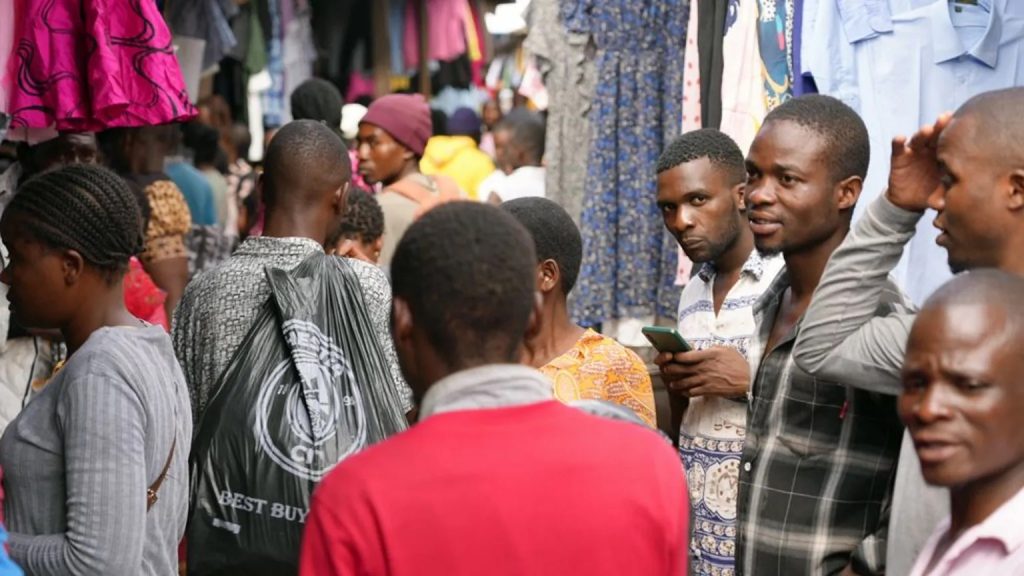
Shoppers in Malawi are finding that prices keep rising
A recent Ernst & Young report said that Malawi was one of the few countries in the world it considered to have what it called a “hyperinflationary economy” — along with Burundi, Sierra Leone, Sudan, Venezuela and Zimbabwe. This is when there is cumulative inflation over three years of around 100% or more.
The accounting firm said that according to the World Economic Outlook database, compiled by the International Monetary Fund (IMF), Malawi had a three-year cumulative rate of inflation of 116% as of December 2024 and it forecast three-year cumulative rates of inflation of 102% for 2025 and 66% for 2026.
Data from the World Bank also shows that the country is one of the poorest in the world. It estimates that 70% of the southern African nation’s population lives on less than $2.15 a day.
The current cost-of-living crisis has left many citizens, like Ms Kathumba, without any savings.
“I would be lying if I say that I save some money at the end of the month. I have absolutely nothing left,” she said.
“I pay 50,000 kwacha [$29] in school fees each term. Then you need to buy exercise books, food, soap — all from the same small salary. Sugar [1kg] is now 4,500 kwacha [$3].”
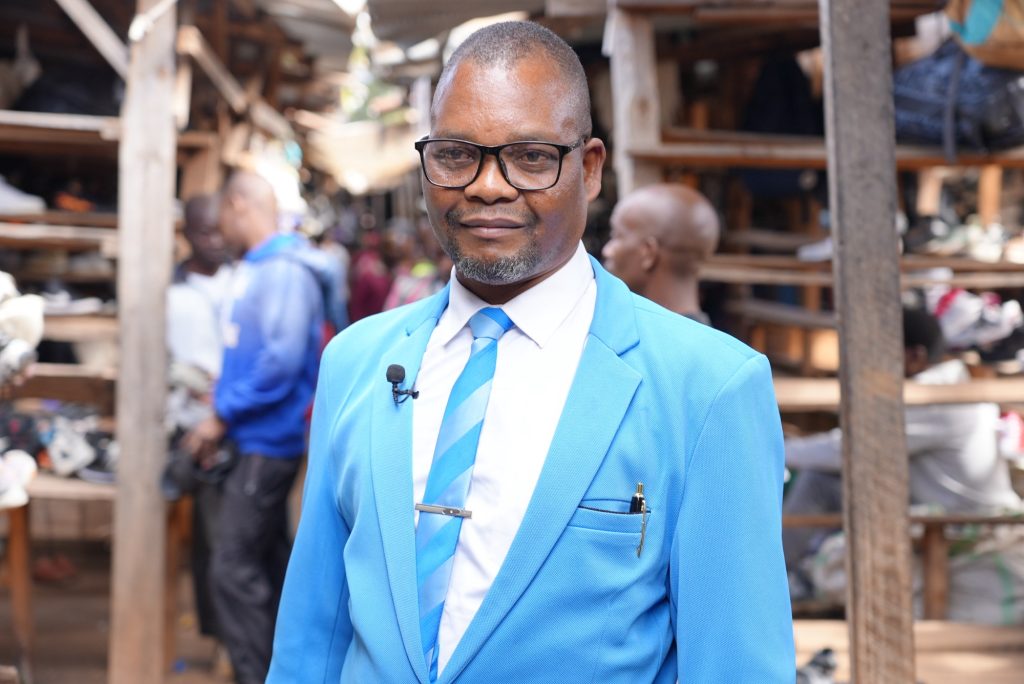
We are really affected, we are supposed to get a profit from our businesses. But the way things are, we are failing”
Economists put Malawi’s current inflation problems partly down to the shortage of foreign money — known as “forex” — in the banks.
Malawi has often struggled with forex as the country imports much more than it exports.
“We are not exporting high-value products,” Dr Bertha Bangara Chikadza, senior lecturer in macroeconomics at the University of Malawi and the president of the Economics Association of Malawi
“We export products like maize, soya beans and sugar, but import expensive products such as fertilisers, medicine and furniture, so we need a huge amount of forex for this,” she said.
Businesses wanting to import goods say that when they apply to the banks for forex — in particular US dollars — they are often turned down because there is none available.
This forces some to look for US dollars on the black market, where the exchange rate is higher than the official rate of 1,750 kwacha for $1.
Traders can pay between 4,000 and 5,000 kwacha for $1 — which has a knock-on effect for consumers.
Business owners, like Mohammed Hanif Waka, who owns a stationery shop in the capital, says he has lost many customers since putting up prices.
“Sales have drastically dropped. We have had to make redundancies,”
While he would usually import items for his shop, like office supplies, pens and notepads, the lack of foreign exchange means he is now trying to access goods locally.
“I can’t remember when our banks gave us forex,” he said.
Desperate for change, informal traders took to the streets to protest in February, hundreds blocking the entrance to Malawi’s parliament.
“We are really affected, we are supposed to get a profit from our businesses,” Steve Magombo, the chairman of Lilongwe’s Tsoka Flea Market,