Thailand was the first country in Asia to legalize marijuana. Things didn’t go as planned
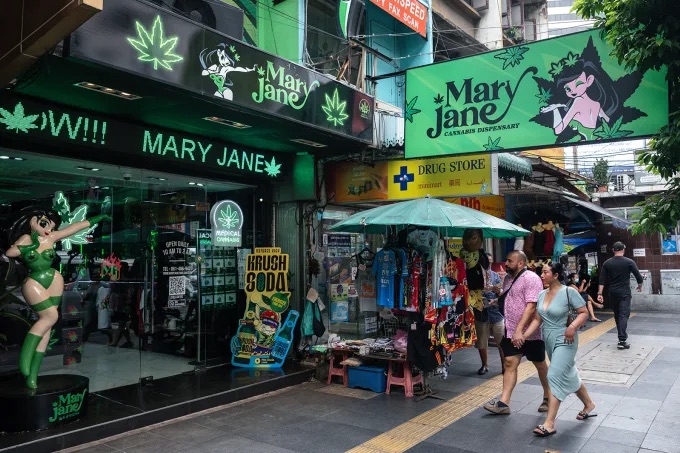
People walk past the Mary Jane cannabis dispensary in Bangkok on May 23, 2025.
Chanakarn Laosarakham/AFP/Getty Images
Three years since Thailand became the first country in Asia to decriminalize cannabis, the government this week imposed new rules designed to rein in the country’s “green rush.”
As of Thursday, customers need a doctor’s prescription to buy cannabis — effectively restricting consumption of the plant to medical and health purposes only
Thailand’s public health minister told CNN on Wednesday he hopes to eventually recriminalize cannabis as a narcotic, in what would be a major reversal from Thailand’s liberal approach since declassification, which saw a boom of dispensaries and weed cafes opening across the country, particularly in tourist areas
“This must be clearly understood: cannabis is permitted for medical use only,” Public Health Minister Somsak Thepsutin
Medical certificates and a ban on advertising
The new rules from Thailand’s Health Ministry aim to enforce the regulation of cannabis as a controlled herb.
That means licensed cannabis shops can now only sell to customers with a medical prescription. They are also required to keep detailed sales records and face regular inspections by authorities, Somsak said. New rules also put stricter controls on growers and farmers, ban commercial advertising and prohibit cannabis from being sold in vending machines or online.
More than 18,000 licensed cannabis shops across the country will have to adapt or risk closing. Penalties for sellers caught violating the new rules include up to one year in prison or a fine of 20,000 baht ($620), though the health ministry is proposing new legislation that would significantly increase this.
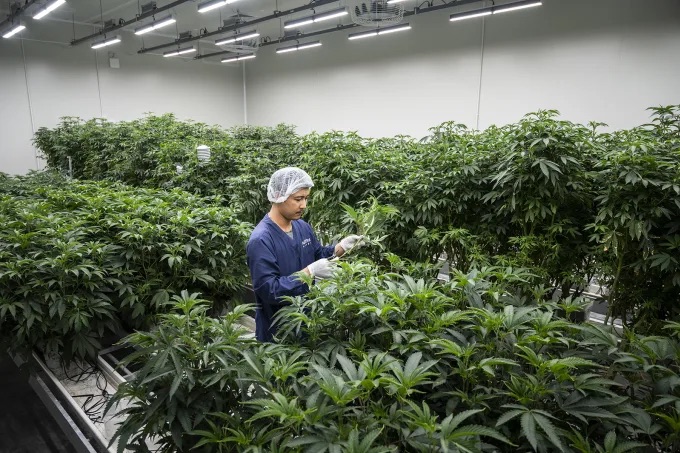
A worker takes cuttings from mother marijuana plants to be transplanted inside a cloning room at a cannabis cultivation facility outside of Bangkok in 2024
The ban on advertising may also dramatically change the landscape of tourist hotspots such as Khao San Road in the capital Bangkok, or beach towns like Pattaya, where hundreds of cannabis shops and cafes line the streets with their green neon signs, cannabis-shaped inflatables and catchy slogans enticing tourists to get high.
Now, tourists and locals will need a doctor’s certificate from Thailand or their home country to purchase cannabis buds to treat certain conditions such as nausea from chemotherapy, drug-resistant epilepsy or nerve pain.
We want to tell tourists they are welcome to enjoy Thailand’s culture and nature — but Thailand should not be seen as a destination for recreational cannabis use,” Somsak said.
Why have the new rules been introduced?
Medical marijuana has been legal in Thailand since 2018, but decriminalization in 2022 meant it was no longer a crime to grow and trade marijuana or hemp products, or to use any parts of the plant to treat illnesses — a major move in a region notorious for harsh penalties towards illegal drugs.
Following legalization, the government intended to regulate the industry. But a legal vacuum emerged when this failed to materialize, and recreational use exploded across the kingdom, particularly in areas popular with foreigners.
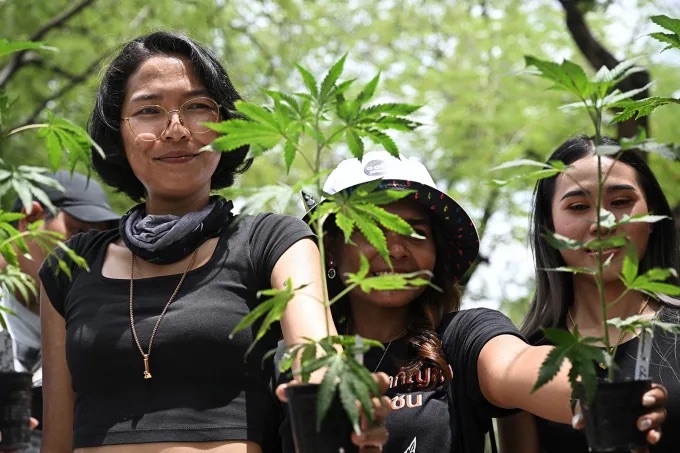
Thousands of cannabis dispensaries sprang up, as well as other cannabis-themed businesses like weed cafes, hemp spas and places offering beauty treatments. Cities like Chiang Mai and Bangkok have even held weed festivals, and decriminalization has been a major draw for tourists.
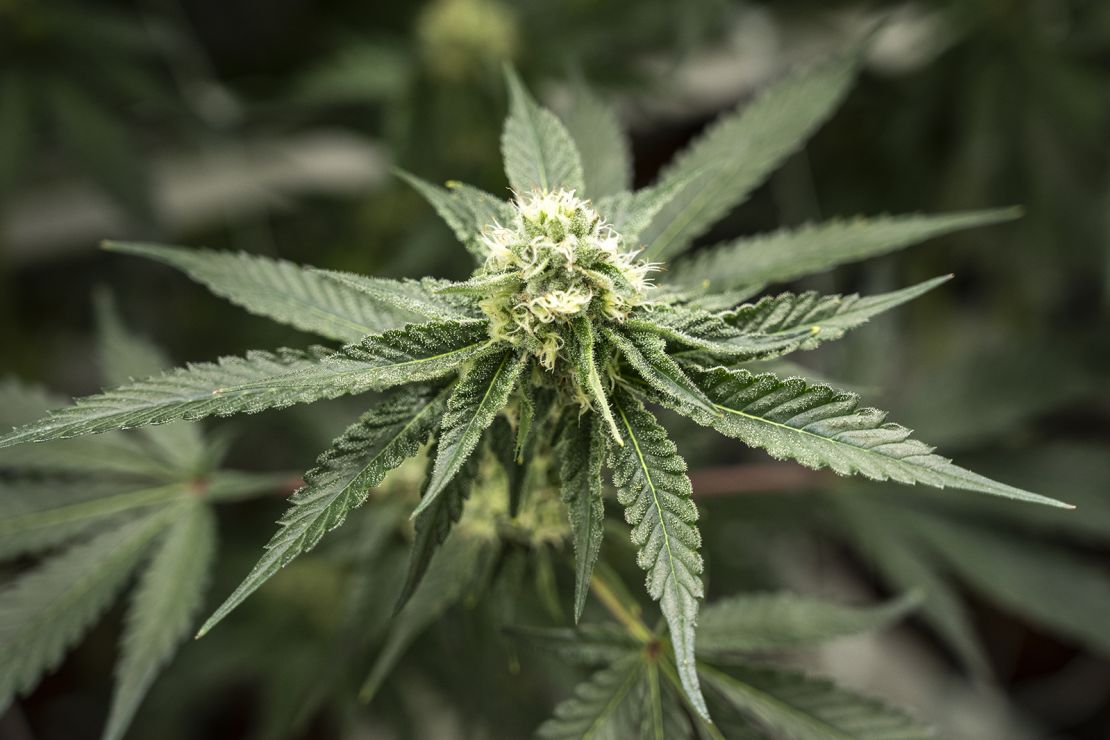
The bud on a marijuana plant inside an indoor greenhouse outside of Bangkok
One such festival in Bangkok earlier this month boasted an appearance by Mike Tyson, who has launched his own brand of boxing glove- and ear-shaped cannabis gummies.
A 2022 report released by Thailand’s Ministry of Commerce estimated the industry could be worth $1.2 billion by 2025, though Somsak said there is currently “no clear estimate” of the industry’s value “due to unregulated transactions.”
We are not shutting down cannabis shops, but we are prioritizing medical regulation,” he said.
“Revenue may dip at first, but considering the social harm caused by unregulated use, the change is necessary … responsible, law-abiding businesses will remain stable and continue operating.”
Social impacts and smuggling
Those in support of greater regulation say the industry has grown out of control, and cited health concerns, cannabis use among children, and addiction, while complaints of tourists smoking in the street are reportedly growing on the Thai islands.
On the holiday island of Phuket, a plan has been proposed that would establish zones restricting where cannabis could be bought and sold.
Right now, cannabis addiction is rising and has become a social issue. It affects children, causes nuisance from unwanted odors,” said Somsak.
This is a knee-jerk reaction to supposedly addressing the smuggling issue,” said Kitty Chopaka, a longtime cannabis activist with the Writing Thailand’s Cannabis Future Network advocacy group, which pushes for fair access.

Pro-cannabis activist Kitty Chopaka, seen here at a protest against the Thai government in 2024, says the new rules will not stop people from buying marijuana for recreational purposes.
Chopaka argues that many shops are operating without licenses and sell products such as gummies and edibles that are technically illegal though readily available.
The police don’t shut them down,” she said.
If the government enforced the “rules and laws that currently exist, the issue that they are now saying needs to be fixed wouldn’t have existed,” she added.
Ake, the shop owner, said requiring a doctor’s note to purchase cannabis will not stop people from buying for recreational purposes.
Everyone knows medical certificates can be bought, so this just creates a new revenue stream for certain doctors … It burdens consumers with extra costs for accessing cannabis, especially during Thailand’s current economic struggles and global economic issues,” he said.