17 Old Hollywood Movies That Were Almost Banned Because They Were Secretly Reallllllly Gay

Old Hollywood movies had to follow strict guidelines throughout the 1930s–1960s, known as the Hays Code. This basically prevented all US films from featuring anything that was overtly sexual or “inappropriate,” which forced a lot of filmmakers to get creative about how they could navigate potential censorship. I have running lists on Letterboxd of every Old Hollywood and LGBTQ+movie that I watch, so I sifted through them to find a bunch from the Hays Code era that are subtly (and not so subtly) suuuuuper gay. Here are some of my favorites. Enjoy!
1. Rebel Without a Cause (1955) stars James Dean as a bisexualhottie, so you really can’t ask for much more. The original script had his character kissing Plato, who was one of the first gay teen characters on screen, but the Hays Code quickly squashed that from happening. Still, this movie is edgy and dramatic and romantic, and the whole cast is just so fun to look at.
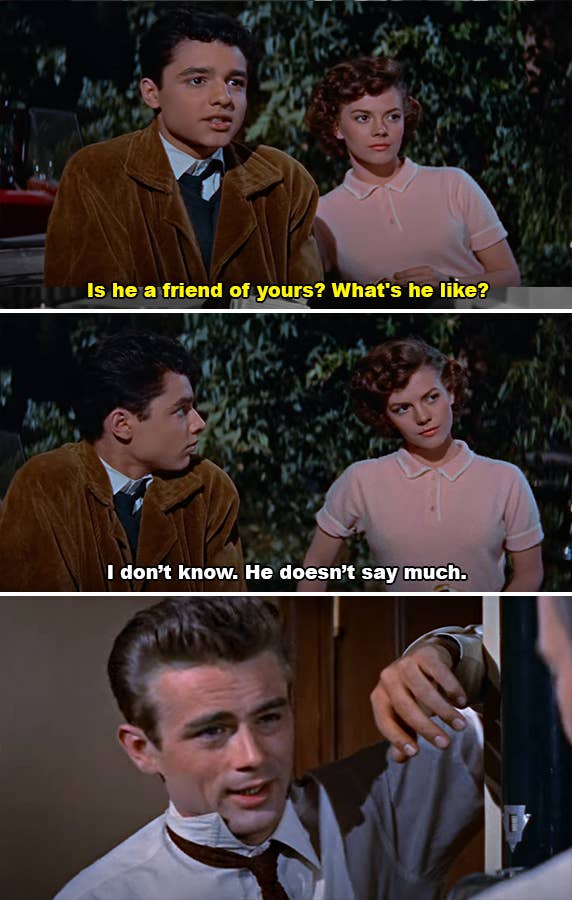
Who’s in it: James Dean, Sal Mineo, Natalie Wood, and Dennis Hopper
2. All About Eve (1950) is a witty and toxic drama about an aging actress who befriends a fan who ultimately tries to usurp her. This movie shares the record for the most Oscar nominations ever, with 14, and it briefly features Marilyn Monroe in one of her first roles ever. There are so many queer undertones and characters throughout, and they’re all so delicious. Also, I personally think this is the best film ever made, so I’m basically begging you to watch it.
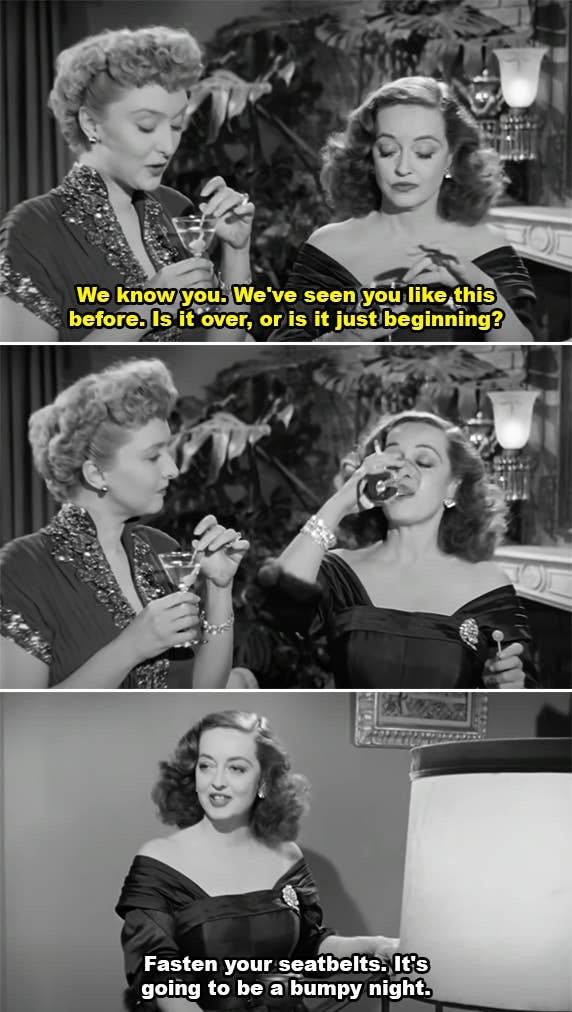
Who’s in it: Bette Davis, Anne Baxter, Thelma Ritter, Celeste Holm, George Sanders, and Gary Merrill
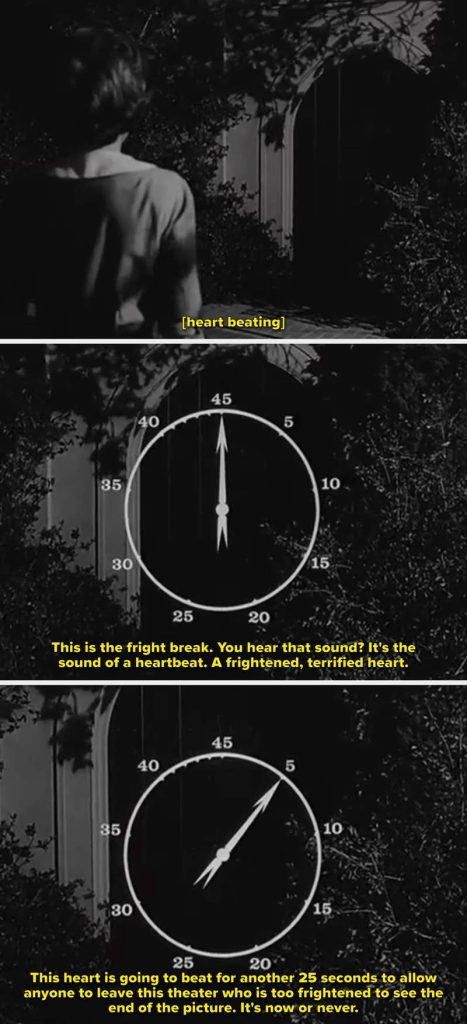
3. Homicidal (1961) was made towards the end of the Hays Code and sort of pushed the boundaries of what was allowed. You’ll see why when the big twist in this horror-thriller is revealed, so I won’t spoil anything for you now. Just know that this film was deemed so scary that it literally included a 45-second “fright break” that appeared on screen before the climax, which told viewers they could request a full refund from the movie theater if they were too scared to finish watching.
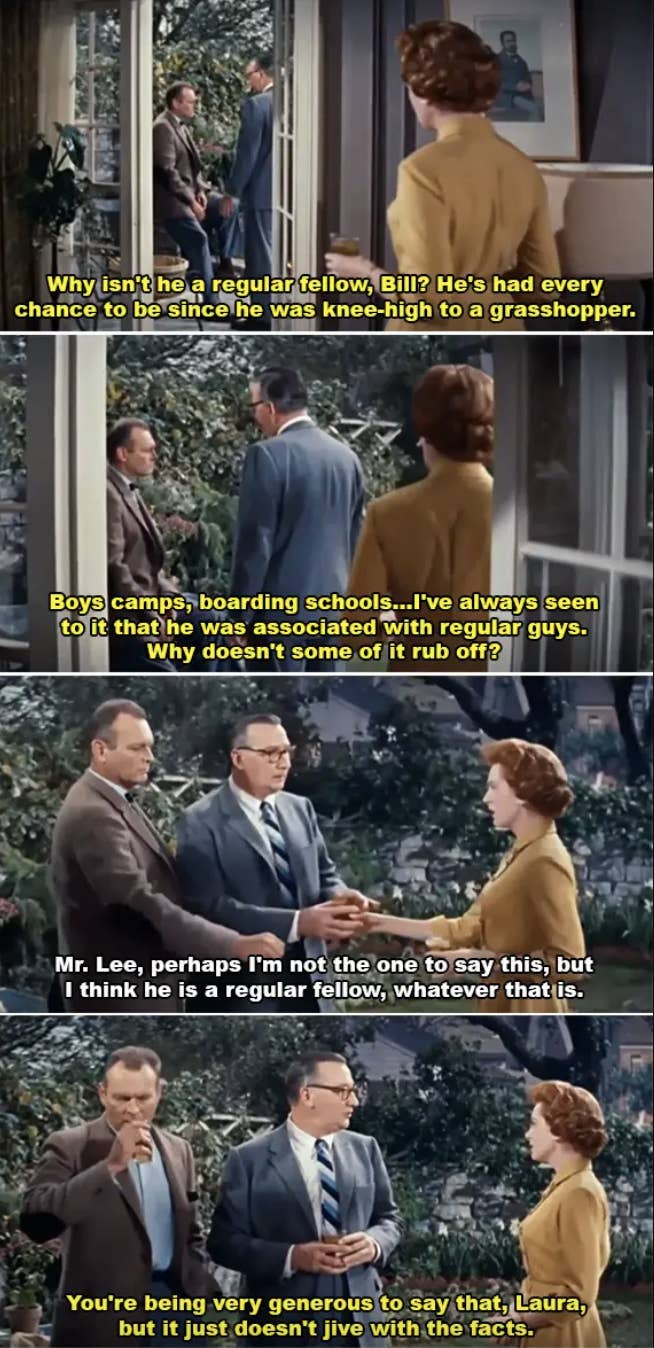
4. Tea and Sympathy (1956) follows a “sensitive” prep school teen who’s bullied by the other students and teachers. He finds solace in an older woman, played by Deborah Kerr, and the whole thing is just sooooo pretty to look at.
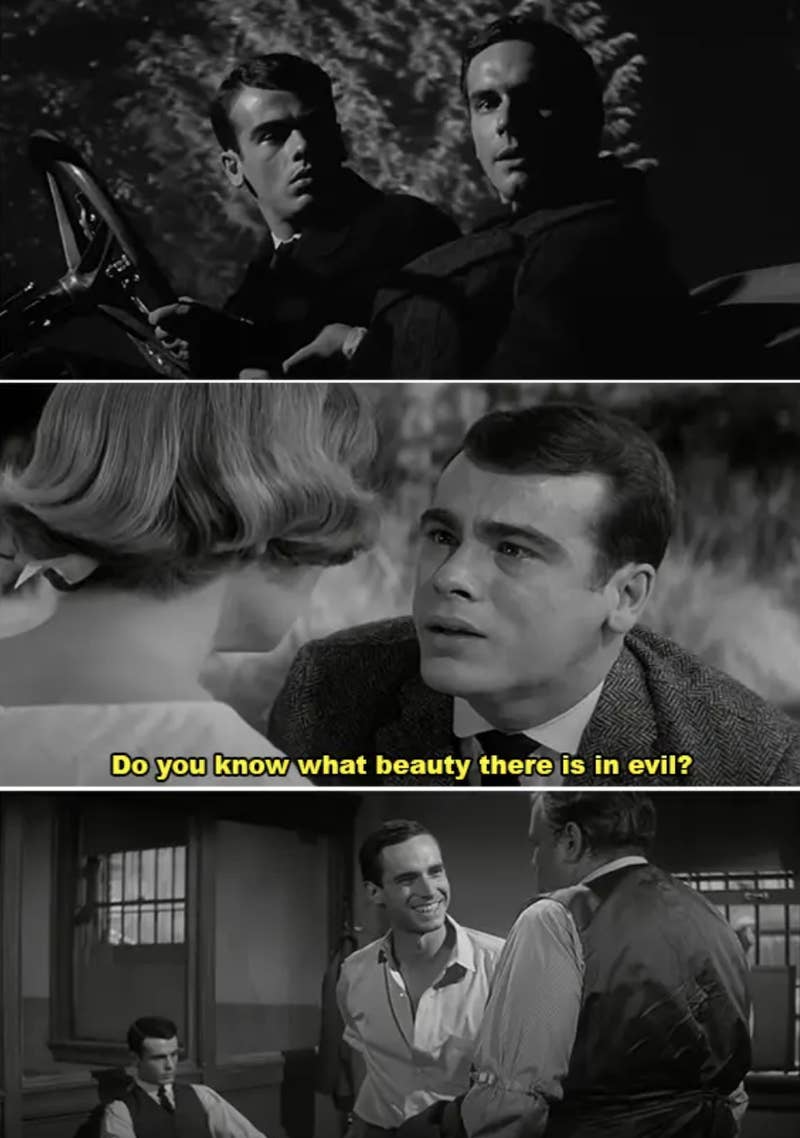
5. Compulsion (1959) follows two hot, wealthy, and secretly queer college boys who commit a murder and think they’re too smart to get away with it. It’s loosely based on the real-life Leopold and Loeb murder trial, so just trust me on this one.
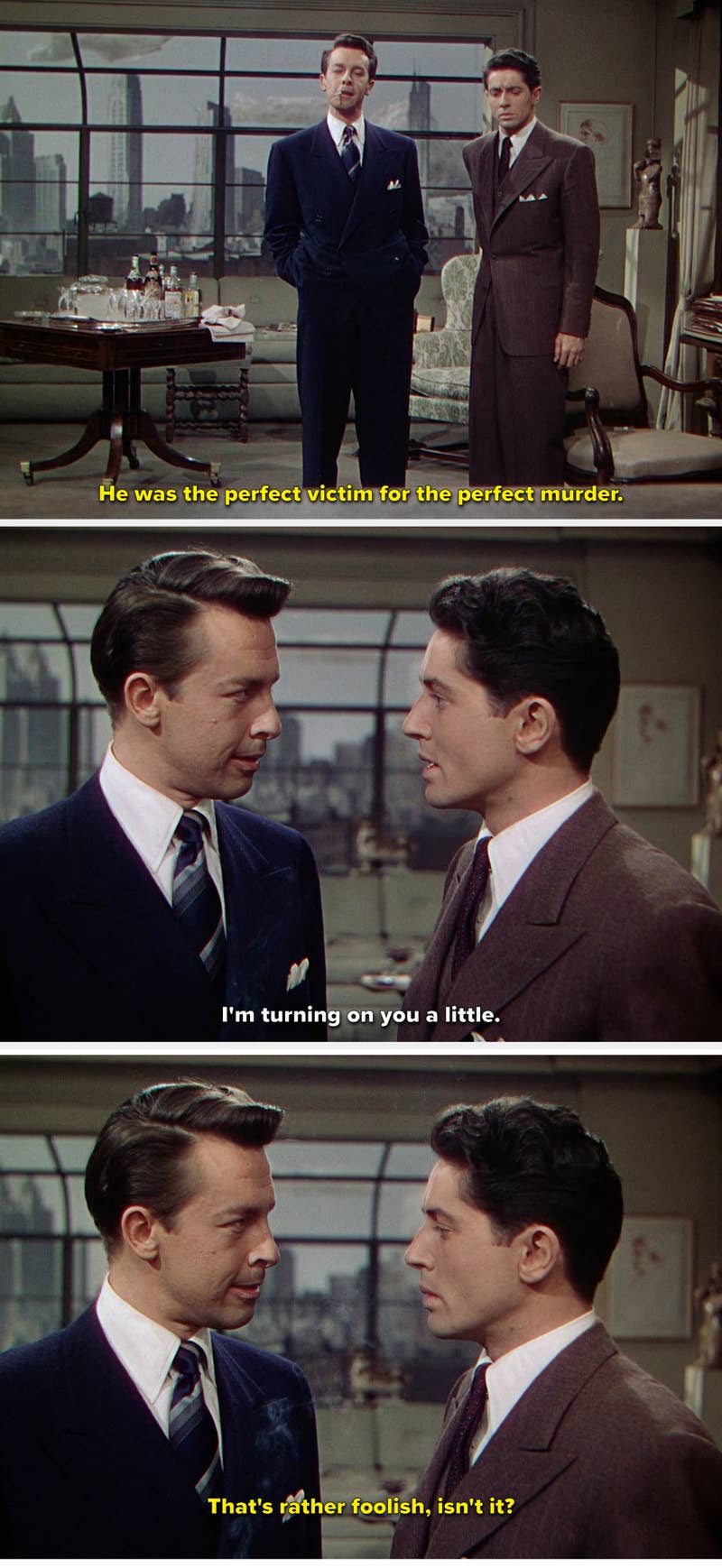
6. Rope (1948) is Alfred Hitchcock’s adaptation of a play that was ~also~ inspired by the Leopold and Loeb murder trial. This one focuses on two young (and queer) killers who host a dinner party after hiding the dead body in their apartment. The movie was shot to look like it was filmed in a single take, which heightens its suspense and helps to keep the characters (and viewers) on edge.