Did you know that if your ear hairs grow, it is because your body is…?

Ear hair growth is often an overlooked detail of aging, but did you know that the sudden or increased growth of hair in your ears can actually be a sign that your body is undergoing hormonal changes—especially related to testosterone and aging?
What Causes Ear Hair to Grow?
Hair in the ear canal is natural and serves a purpose: it helps protect the ear by trapping dust, debris, and microorganisms. However, as men (and sometimes women) age, they may notice coarser, darker, and longer hairs growing on the outer ear or just inside the canal. This phenomenon is typically linked to:
1. Increased DHT Levels
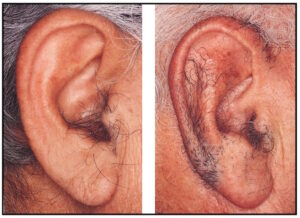
As people age, testosterone levels gradually decline, but a derivative hormone called dihydrotestosterone (DHT) often becomes more active. DHT binds to hair follicles and can cause them to either shrink (leading to hair loss on the scalp) or grow longer and thicker (often seen in places like the nose and ears).
2. Genetics
Some individuals are genetically predisposed to produce more visible ear hair. If your father or grandfather had it, there’s a good chance you might too.
3. Aging
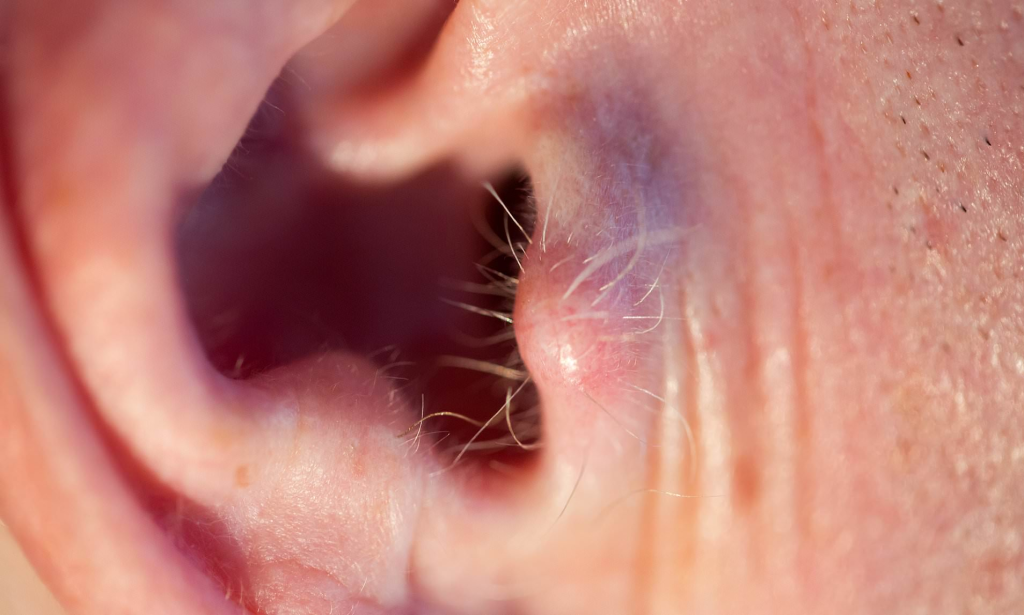
Even without hormonal imbalance, aging itself causes various changes in how hair grows on the body. The distribution and texture of hair can shift as part of the natural aging process.
Is It a Health Concern?
While ear hair growth is typically benign, sudden or unusual growth patterns could potentially signal hormonal imbalances or other underlying conditions (e.g., endocrine disorders). If you’re concerned, especially if the hair growth is accompanied by other symptoms like skin changes or unexplained fatigue, it’s worth discussing with a healthcare provider.
What Can You Do About It?
Many people simply choose to manage ear hair for cosmetic reasons. Options include:
- Trimming with specialized tools
- Waxing or plucking (with caution!)
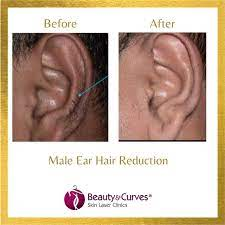
- Laser hair removal, for a more permanent solution
In Conclusion
Ear hair growth is usually just a normal sign of aging, primarily influenced by hormones like DHT. While it might be annoying or surprising, it’s rarely something to worry about—though it does provide a fascinating glimpse into how your body changes over time.











Post Comment