Lia Thomas Banned: University Revokes Transgender Swimmer’s Titles Amid National Sports Policy Shift
A Heated Debate Over Fairness in Women’s Sports
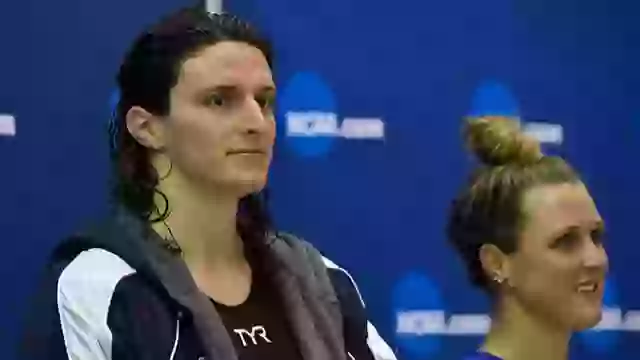
The latest controversy shaking up collegiate athletics has sparked a fiery national debate. Lia Thomas, a transgender swimmer who rose to prominence during the 2021–22 swim season, has now been officially banned from competing by the University of Pennsylvania (UPenn). Even more shocking? Her records and titles have been stripped — effectively erasing her legacy from the official books.
This dramatic move follows a broader push from former President Donald Trump’s administration, which continues its aggressive efforts to block transgender athletes from competing in women’s sports. With the Department of Education now backing UPenn’s decision, it seems the tide is turning on how schools across the country treat eligibility in athletics.
Why Was Lia Thomas Targeted?
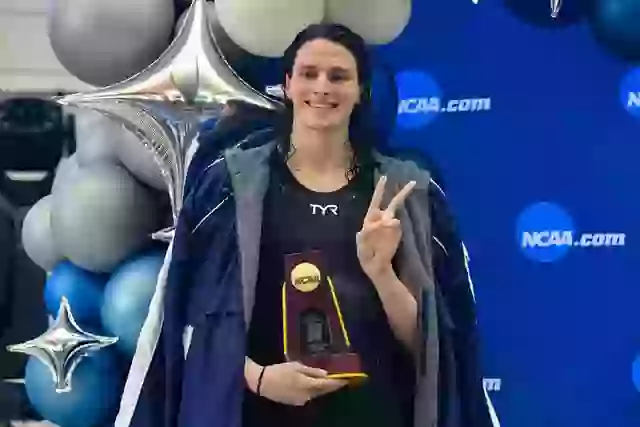
Let’s be real — Lia Thomas didn’t just compete; she dominated. During her time with UPenn, she set records in the 100, 200, and 500 freestyle events. These wins sparked a nationwide firestorm. Some praised her achievements, while others argued it created an uneven playing field for cisgender female athletes.
What added fuel to the fire was a growing chorus of voices from female competitors across different sports — including fencing and disc golf — who started to publicly question whether it was fair for trans women to compete in female categories. Though some of these sports don’t offer a significant physical advantage, the symbolic weight of their statements added pressure to governing bodies.
Video: Trans swimmer Lia Thomas stripped of titles after university caves to Trump administration
Trump’s Push to Reshape Gender Rules in Sports
Ever since his first term, Donald Trump made his stance on gender identity crystal clear — two genders only. This belief has bled into policy, especially around athletics. Though some efforts, like banning non-binary markers on passports, have failed in court, his administration has had more luck influencing athletic regulations.
Earlier this year, the NCAA responded to executive pressure and revised its transgender athlete participation policy. Now, only athletes who were assigned female at birth can compete in women’s sports. It’s a major pivot — and it put Lia Thomas squarely in the crosshairs.
UPenn’s About-Face: Apologies and Adjustments
In a move that surprised many, UPenn issued an official apology to female swimmers who lost events or records to Thomas. The university president, J. Larry Jameson, acknowledged the controversy and expressed regret over what he called a “competitive disadvantage” caused by NCAA rules at the time.
Jameson explained, “Our policies followed NCAA eligibility requirements during the 2021–2022 swim season. Still, we recognize the anxiety and disadvantage that some of our student-athletes felt.” He confirmed that individual letters of apology had already been sent out to impacted athletes.
And the changes didn’t stop there. UPenn’s athletics website was quickly updated to reflect new winners and to remove Thomas’ records from the leaderboard.
Policy Over Progress? Or Protecting Fairness?
There’s no question — this issue cuts deep. Some argue this is progress. Others see it as a setback for transgender inclusion in sports.
Supporters of the decision, including Education Secretary Linda McMahon, called it a “victory for women and girls.” She applauded UPenn’s move, saying it aligns with Title IX — a federal law designed to protect against sex-based discrimination in schools. “We commend the university for rectifying past harms and enforcing Title IX properly,” she said.
Critics, however, argue that this creates a slippery slope. If trans athletes are excluded based solely on their gender identity, what’s next? And who decides what’s fair?
Where Does This Leave Transgender Athletes Now?
The new NCAA rule draws a hard line — transgender women who transitioned after puberty and were not assigned female at birth are barred from competing in women’s categories. That rule, inspired in part by Thomas’ case, is now being enforced more strictly than ever before.
For many transgender athletes, this feels like the end of the road. Sports had long been a space for self-expression, inclusion, and growth. Now, the playing field is shifting — and not everyone’s invited.
Video: MASSIVE VICTORY: NCAA Rips Titles From Lia Thomas, BANS Trans Athletes, Apologizes to Female Swimmer
A Divided Campus, A Divided Nation
On UPenn’s campus, students are split. Some feel the university did the right thing in protecting fairness. Others say the move feels like a betrayal of inclusivity. And that’s the tension being felt across the country — between upholding equality and maintaining competitive integrity.
The case of Lia Thomas isn’t just about swimming. It’s a lightning rod for larger cultural battles about identity, fairness, and who gets to decide the rules in American life.
Conclusion: A Turning Point in Sports and Society
Lia Thomas’ ban from UPenn and the stripping of her titles mark a defining moment in the conversation about gender and athletics. It’s a bold, controversial move that reflects a broader political and social shift under Trump’s continued influence.
Whether you see this as a correction of past injustices or a rollback of trans rights, one thing’s for sure — this story isn’t over. The ripple effects will continue to shape policy, locker rooms, and courtrooms across the country. As schools and athletes navigate the changing rules, the question lingers: can inclusion and fairness truly coexist on the same field?
Stay tuned. The next chapter in this debate is already being written.












Post Comment