“Kirk Douglas: From Nothing to a Hollywood Icon”
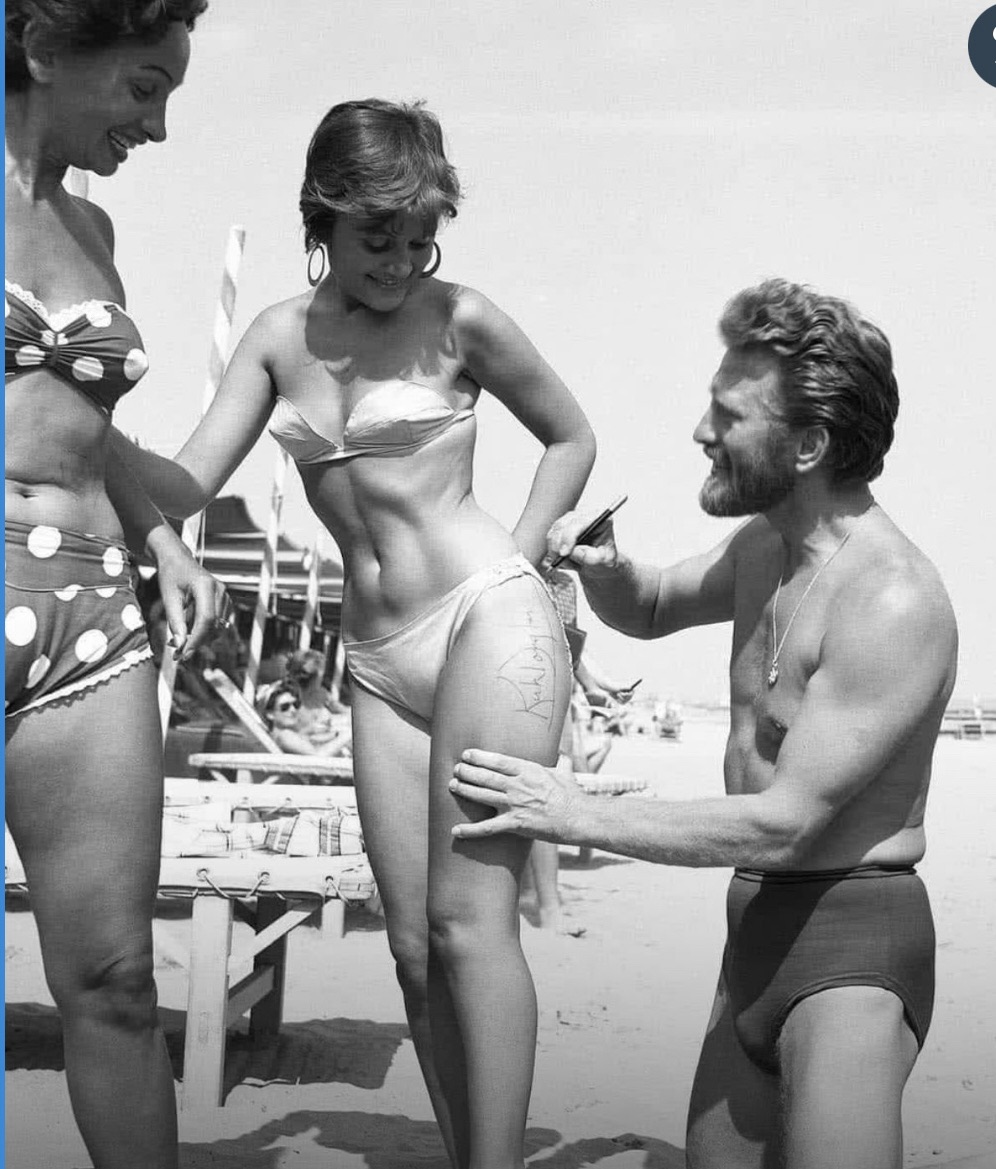
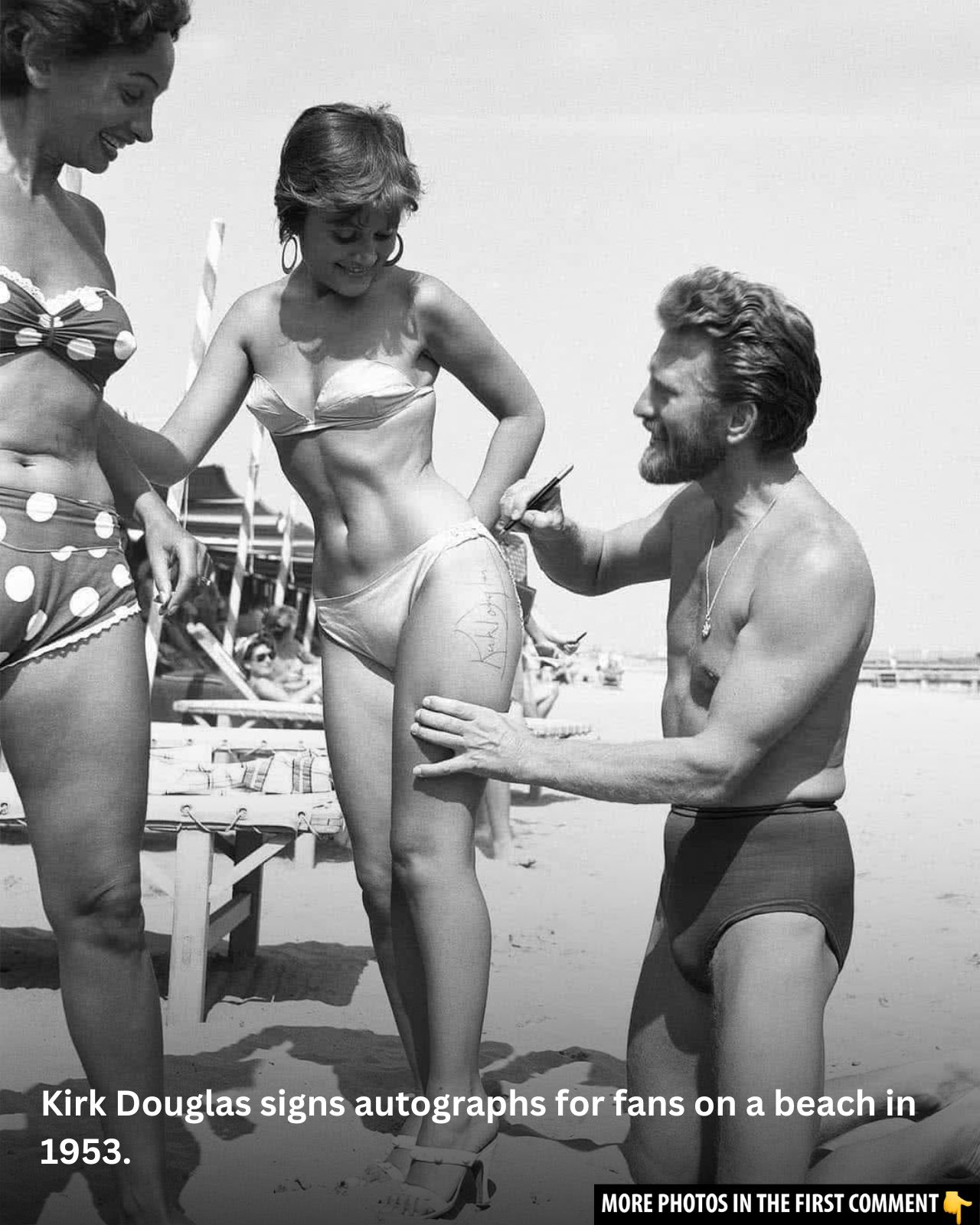
When you think of Hollywood legends, few names stand as tall as Kirk Douglas. His journey from the depths of poverty to becoming one of the most revered stars in the film industry is a testament to both his talent and determination. Known for his iconic roles in films like Spartacus and Ace in the Hole, Douglas carved out a legacy that extended far beyond his acting career. This article takes a closer look at the remarkable life of Kirk Douglas, exploring not only his film career but also the resilience, struggles, and profound influence he left behind.
From Humble Beginnings: Kirk Douglas’s Early Years
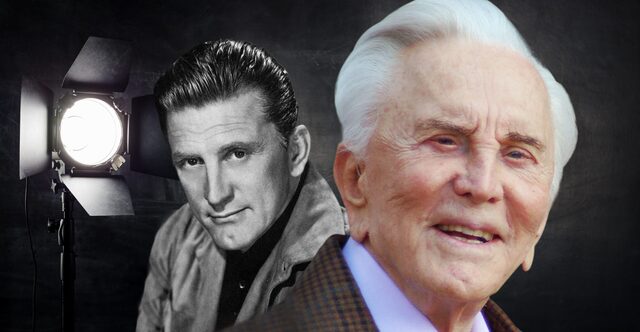
Kirk Douglas was born Issur Danielovitch on December 9, 1916, in Amsterdam, New York. His parents, Herschel Danielovitch, a ragman from Belarus, and Bertha, a housewife, had moved to the United States in search of better opportunities. Despite their best efforts, they struggled to make ends meet. Growing up in an impoverished household, young Kirk was exposed to hardship from an early age.
Douglas’s father, a former horse trader, was known to sell scraps from a horse and buggy to make a living. Their home, in a largely working-class neighborhood, was often described as “humble,” and it was here that Kirk learned the value of hard work and determination. The conditions at home were harsh, and the young boy had to work from a very young age to help support the family.
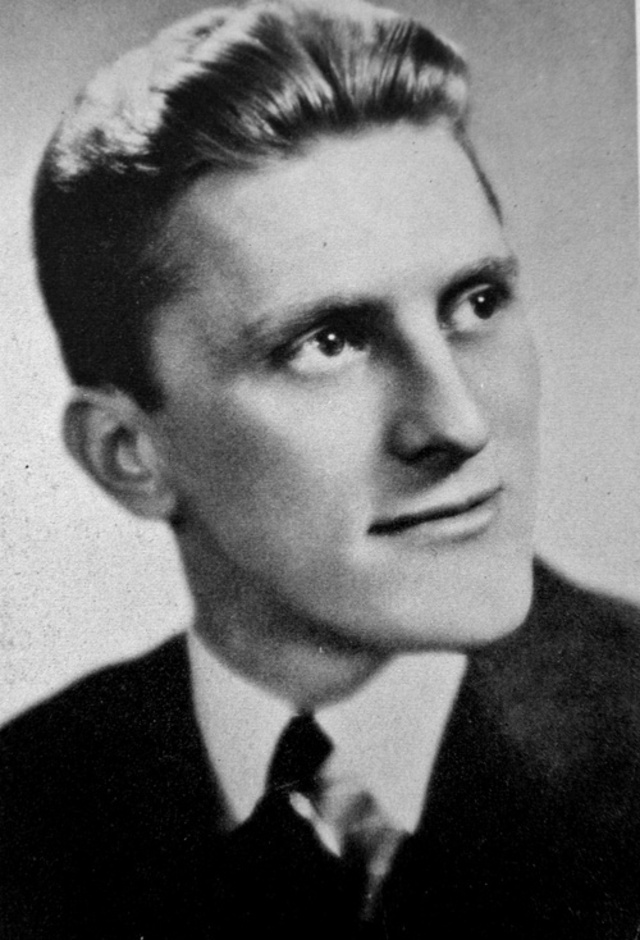
Despite these challenging circumstances, Kirk had a burning desire to escape the cycle of poverty. With sheer will and persistence, he managed to talk his way into college, earning a spot at St. Lawrence University. His determination to overcome his background was matched only by his passion for acting. After graduating in 1939, he enrolled at the American Academy of Dramatic Arts, which would serve as his training ground for the Hollywood career he would later conquer.
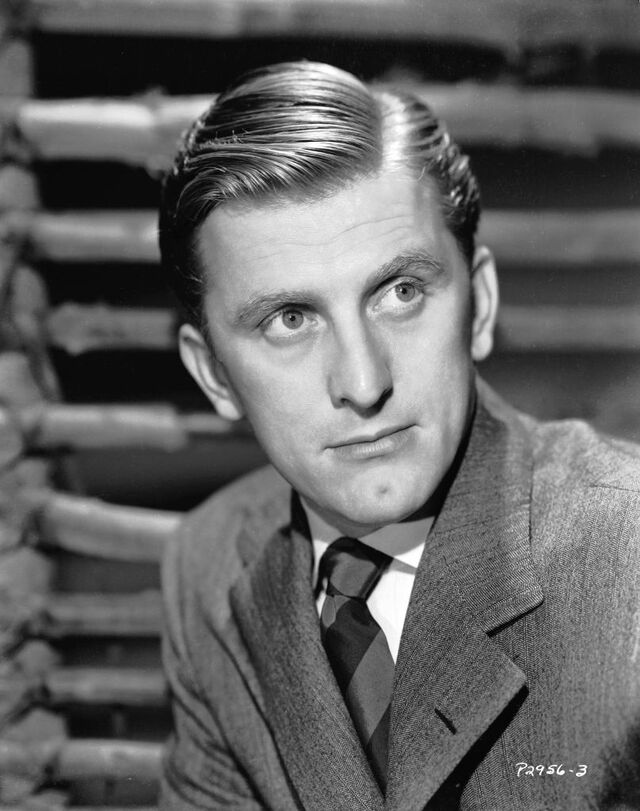
A stunning 1945 portrait of the ever-handsome Kirk Douglas
Video
Watch the video tribute to Kirk Douglas and relive the iconic “I Am Spartacus!” moment from Spartacus!
Rise to Fame: Iconic Roles That Defined His Career
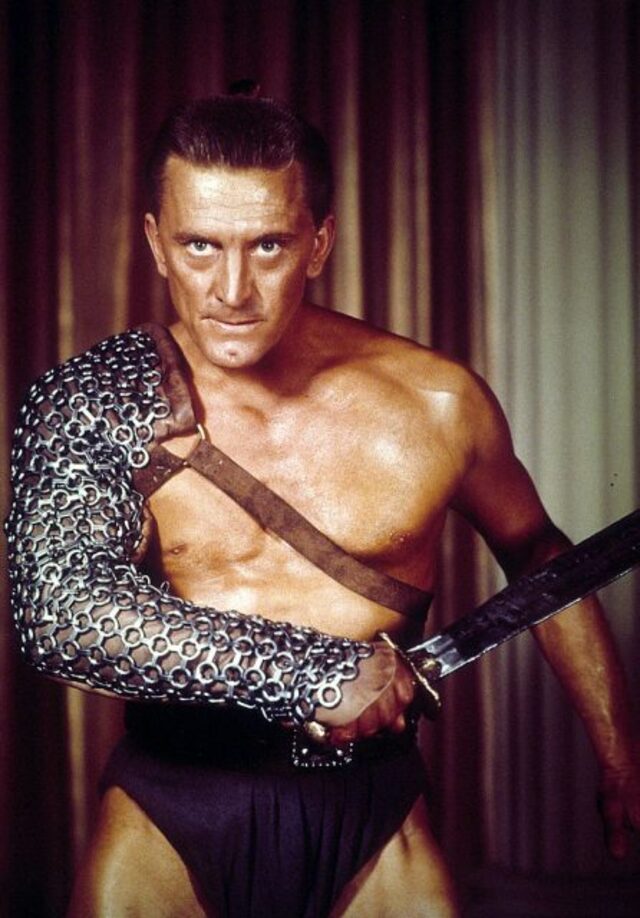
Douglas’s big break came when he signed with Warner Brothers, marking the start of his successful film career. His breakthrough role came in 1946 with The Strange Love of Martha Ivers, a film noir in which he starred alongside Barbara Stanwyck. But it was Champion (1949), where he played a ruthless boxer, that truly established no him as one of Hollywood’s brightest stars.Online movie streaming services
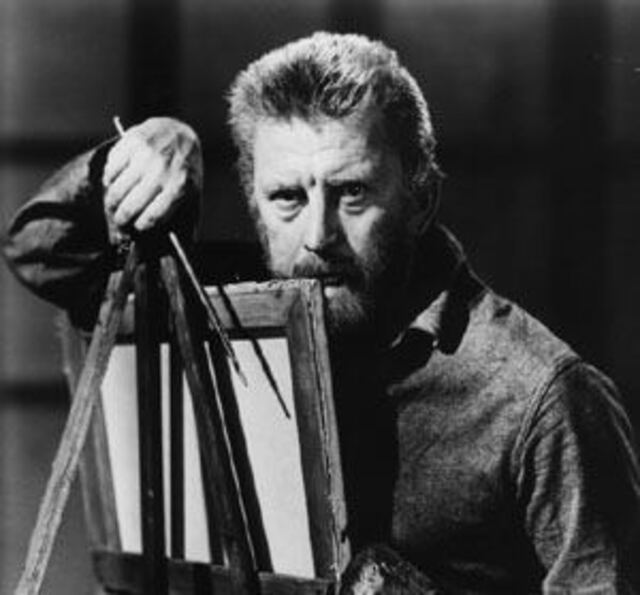
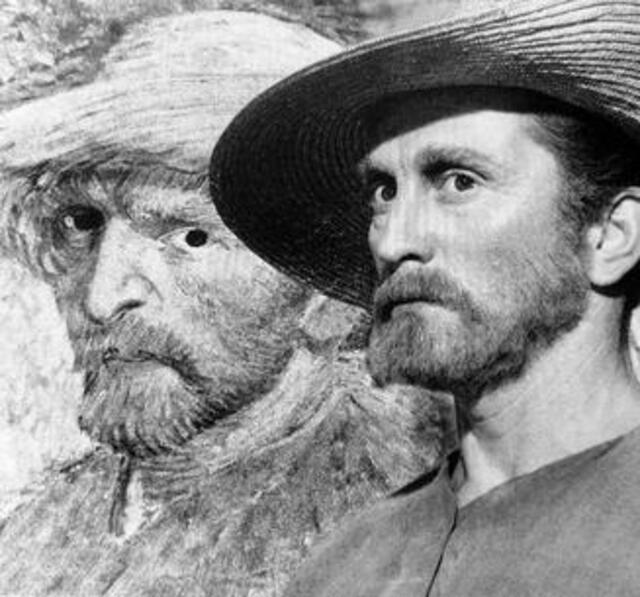
From there, Kirk Douglas’s career soared. His striking looks, intense on-screen presence, and powerful performances made him a standout in films throughout the 1950s and 1960s. He portrayed characters that were often complex, flawed, and deeply human. One of his most iconic roles came in 1960 when he starred as Spartacus in Stanley Kubrick’s epic film Spartacus.
The film not only solidified his place in cinematic history but also helped challenge the political landscape of Hollywood. During the film’s production, Douglas famously insisted on giving screenwriter Dalton Trumbo, who had been blacklisted during the McCarthy era, proper credit for his work. This act of courage in the face of Hollywood’s political climate was a defining moment in Douglas’s career. His advocacy for Trumbo and his unrelenting pursuit of creative integrity were symbolic of the type of person Douglas was — someone who wasn’t afraid to stand up for what he believed in.
Other major films in his career include Ace in the Hole (1951), The Bad and the Beautiful (1952), and Paths of Glory(1957). Kirk’s ability to embody a wide range of characters, from a journalist to a soldier, allowed him to remain relevant in an industry that was ever-evolving.
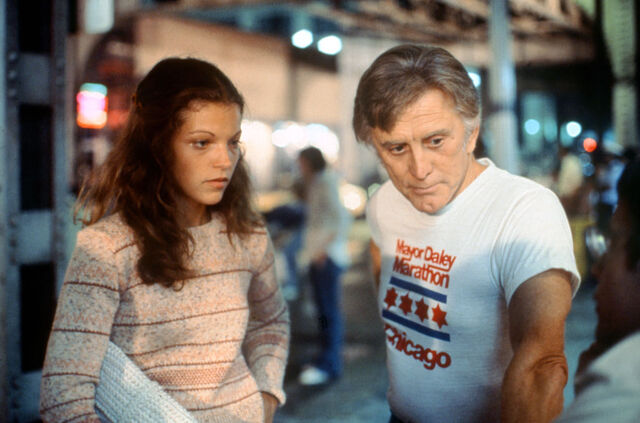
Behind the Scenes: Kirk Douglas’s Impact on the Film Industry
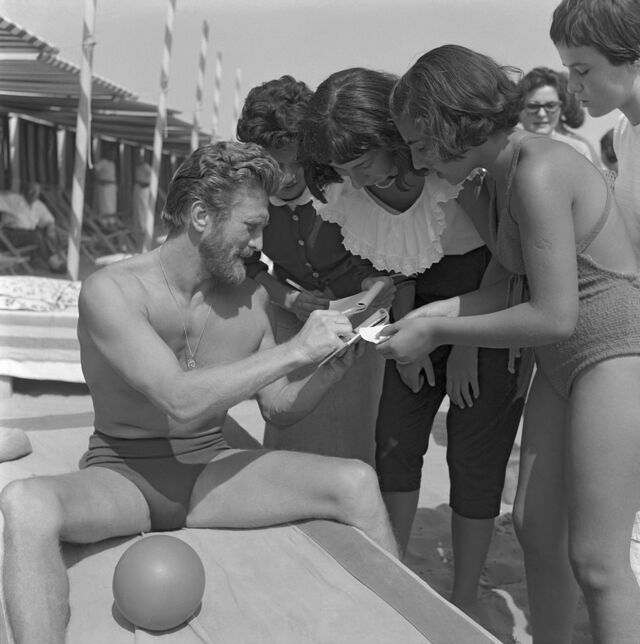
While Douglas’s acting career was undeniably impressive, his impact on Hollywood extended beyond the silver screen. In 1955, Douglas founded his own production company, Bryna Productions, which was named after his mother, Bryna, who had played an instrumental role in his life. This move was not only a testament to his business acumen but also his desire to have more control over the stories he was a part of. Bryna Productions would go on to produce a number of his films, including Spartacus.
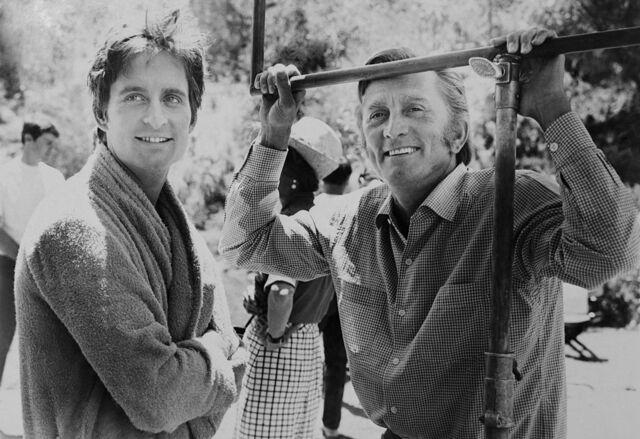
Douglas also made a significant contribution to the film industry by taking risks on new talent. His partnership with director Stanley Kubrick on Paths of Glory and Spartacus helped elevate the careers of several important filmmakers and actors. Kubrick himself considered working with Douglas as one of the highlights of his career, praising the actor for his professionalism and dedication to his craft.

Kirk Douglas’s legacy is not only defined by his achievements in Hollywood but also by his commitment to family. He married actress Diana Dill in 1943, and the couple had two children: Michael and Joel. Their marriage ended in divorce in 1951, but Kirk would go on to marry producer and philanthropist Anne Buydens in 1954. Together, they had two sons, Peter and Eric, and remained married for over six decades until Kirk’s passing in 2020.
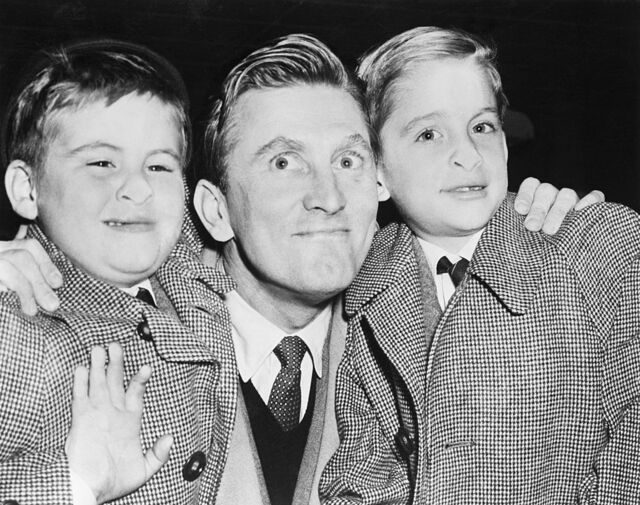
Philanthropy and Humanitarian Efforts: Giving Back Beyond the Spotlight
Kirk Douglas’s dedication to philanthropy was equally as important as his career in film. Over the years, he donated millions to charitable causes, particularly those focused on education, healthcare, and helping underprivileged children. One of his most notable contributions was to the Cerebral Palsy Foundation, where he worked tirelessly to improve conditions for people living with the condition.
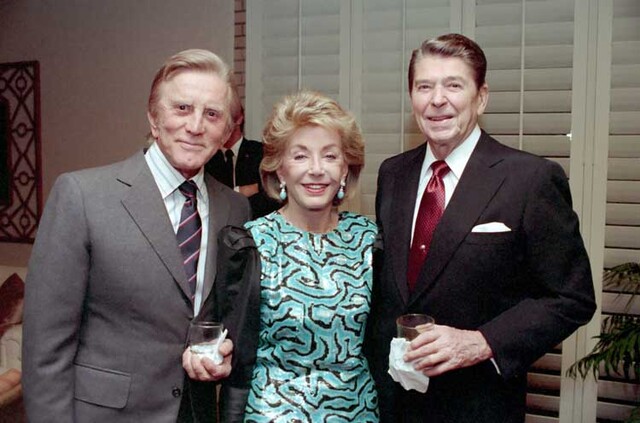
Douglas also devoted much of his time to supporting organizations that helped improve the lives of at-risk youth and veterans. His commitment to philanthropy was deeply rooted in his understanding of how fortunate he was to have achieved the American Dream, and he felt strongly about giving back to the community that had supported him throughout his life.
The Enduring Legacy of Kirk Douglas
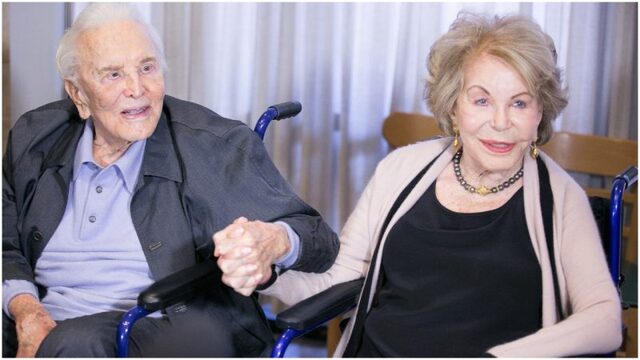
Kirk Douglas passed away in February 2020 at the age of 103, but his legacy continues to inspire and influence generations of actors, filmmakers, and fans alike. His contributions to Hollywood, his dedication to philanthropy, and his perseverance in the face of adversity have made him a beloved figure in American culture.