When Life Was All About Lockers & Mix Tapes – Timeless Memories”
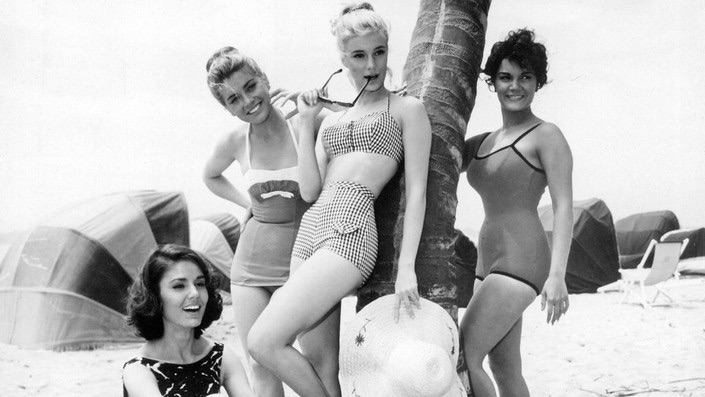

Connie Francis’s Hidden Struggles During the Filming of “Where the Boys Are”
In the shimmering golden light of 1960s pop culture, Connie Francis was already a superstar. Her voice, sweet and sorrowful, had become the national soundtrack for teenage love and longing. But when she stepped onto the film set of Where the Boys Are, she was stepping into unknown territory. This wasn’t just about a new career move. It was a test of identity, confidence, and survival in an industry that devoured vulnerability.

🎞️ 1. She Never Wanted to Act
Connie Francis was a singer through and through. Acting had never been on her radar until MGM tied her hit single “Where the Boys Are” directly to the upcoming movie. When the producers insisted she take a small part to help promote the film, she hesitated
But MGM wasn’t joking. And despite her reservations, Connie said yes. Not because she wanted fame in Hollywood, but because she didn’t want to disappoint the label or let down her fans
🎬 2. Her Role Was Written as Comic Relief
Instead of casting her as one of the film’s leading ladies, MGM gave Connie the role of Angie—the quirky, overweight, slightly ridiculous best friend. Angie wasn’t given the emotional arcs or romantic depth of the other girls. She was there for laughs, a stereotype dressed up in awkward lines and unflattering dresses.
“I wanted to play Merritt,” she once confessed, naming Dolores Hart’s character. “She had the drama. I got the wisecracks.”
services

🪥 3. The Dress That Shattered Her Confidence
For one major scene, wardrobe dressed her in a satin cocktail dress meant to show off her figure. Instead, the fit was wrong—too tight, too stiff—and Connie felt exposed.
🎧 4. Her Voice Was the Film’s Anchor — But Nearly Went Uncredited
Ironically, the one thing Connie brought that no one else could—her voice—was almost buried.
Studio heads initially debated whether to highlight her name in the film’s promotion. Some feared she’d overshadow the actors. Others believed her musical fame wouldn’t translate to box office success.
Only after the title track soared on Billboard did they change their tune. Suddenly, Connie was everywhere: posters, promotions, press junkets.
But the delay hurt. Her voice had carried the film emotionally, and yet, even in triumph, she had to fight to be acknowledged.