When the Streets Were Our Playground
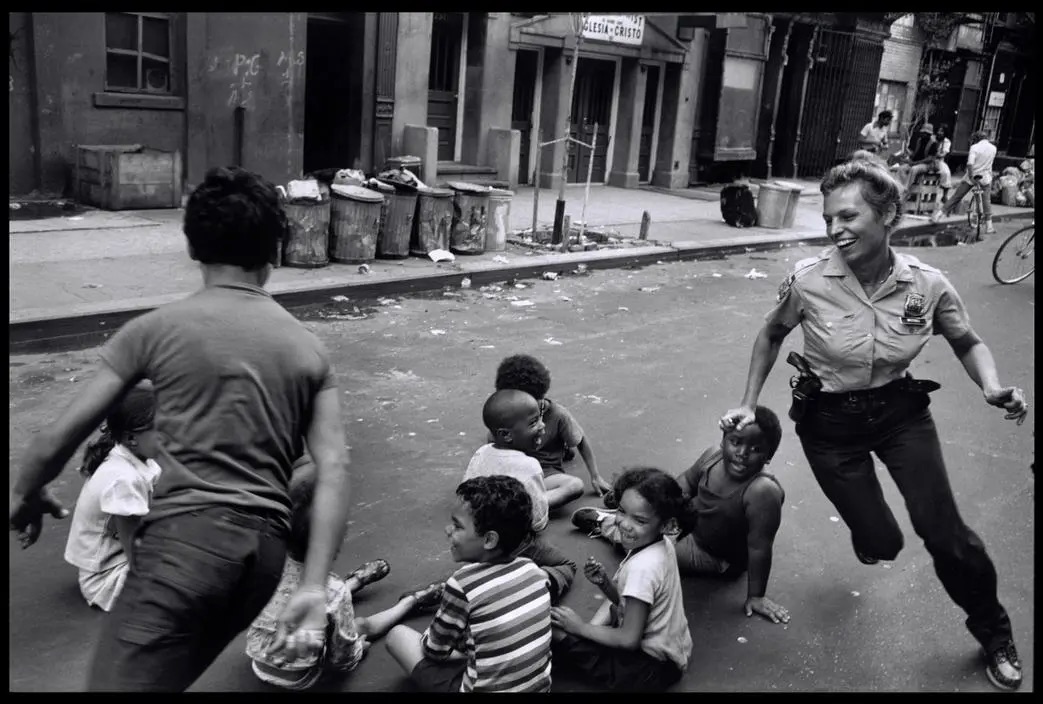
The 1970s was an era of transformation—a decade defined not just by political movements or pop culture revolutions, but also by the quieter, more personal moments of joy that unfolded in the streets of cities across America. Among those timeless moments is one perfectly captured in the photo above: a carefree afternoon on roller skates, where community, youth, and laughter collided on a sun-drenched street
In this black-and-white image, a young woman in high-waisted shorts and a tucked-in tank top leads three children by the hand, all gliding over the pavement on classic four-wheel roller skates. Their smiles are wide, their arms linked, and their energy infectious. Around them, a crowd of people walks, talks, and watches the impromptu performance, many of them dressed in the iconic fashion of the era—bell-bottoms, striped shirts, and shaggy hairstyles.
This was the 1970s. A time when the streets weren’t just for commuting—they were playgrounds, meeting grounds, and stages. Cities pulsed with life not just in the clubs and discos but out in the open, where people gathered to express themselves, enjoy the moment, and feel a sense of belonging.

Roller skating saw a massive resurgence in the 1970s, partly due to the disco craze sweeping the nation. Rinks popped up in cities and suburbs alike, where people of all ages would spin, glide, and dance beneath glittering disco balls to the rhythms of Donna Summer, Chic, and the Bee Gees. But for many, especially those in urban areas, the streets were just as good.
Parks and closed-off boulevards became havens for skaters. Skating wasn’t just a hobby—it was a lifestyle, a statement of freedom. For teenagers and young adults, it was a form of self-expression and independence. For kids, it was pure joy. And for many communities, it was a way to bond
The young woman in the photo might have been a babysitter, a big sister, or simply a neighborhood friend. Whoever she was, she became part of a ritual so familiar in the ’70s—older kids helping the younger ones, guiding them with patience and laughter, forming a temporary train of humanity rolling through the city.
There were no smartphones in pockets. No TikTok videos being filmed. No Bluetooth speakers blasting pre-made playlists. Everything was real-time and unplugged. People gathered in the streets because it was the best way to connect. Neighbors knew each other
Children played outside from morning till dusk. Teenagers hung out on stoops, shared sodas, and danced to tunes on portable radios or boomboxes. Adults sat on porches or benches, keeping a loose eye on the action, often jumping into the fun themselves.
n this sense, the photo is more than just a sweet moment—it’s a symbol of how communities thrived through shared experience. Street life in the 1970s wasn’t just tolerated—it was celebrated. City initiatives in places like New York often closed down certain streets on weekends to encourage safe play and cultural events. Roller skating, bike riding, street music, and impromptu dance circles became common weekend fixtures.
It’s worth noting that the 1970s weren’t easy times for many American cities. Economic crises, rising crime rates, and social unrest left scars on urban life. But in the midst of the grit and struggle, there was resilience—and joy
What makes the photo so striking is this contrast: the innocence and vibrancy of the skaters against a backdrop of urban reality. These moments of levity were acts of quiet rebellion against despair. They were affirmations that fun, freedom, and togetherness could still thrive
In neighborhoods with fewer resources, the streets became essential. They offered a canvas for creativity. Skaters wove between chalk-drawn hopscotch boards, street musicians played to dancing crowds, and kids created games out of whatever was available. Everyone was included
Though the roller disco era would fade by the early 1980s, the sense of freedom and community it fostered never really disappeared. In fact, echoes of it returned during recent decades—especially during the pandemic, when streets once again became places of refuge and recreation for those seeking connection. Social media today is filled with retro-inspired roller skaters bringing the spirit of the ’70s into the 21st century.

Still, there’s something about the simplicity of the original era that continues to inspire. The woman in the photo didn’t need an Instagram account to share her joy. The children didn’t need a viral trend to laugh. Their connection was physical, unfiltered, and beautifully real.
This single photograph of a carefree group on roller skates doesn’t just tell a story—it encapsulates a culture. A time when streets were alive with possibility. When neighborhoods were true communities. When joy was found in motion, music, and shared presence.
The 1970s were about a lot of things—change, style, rebellion—but above all, they were about freedom. The freedom to be young, to be wild, to dance in the street, and to hold someone’s hand as you glided forward into life.