Bob Dylan Revives ’60s Protest Song For The First Time In Nearly A Decade
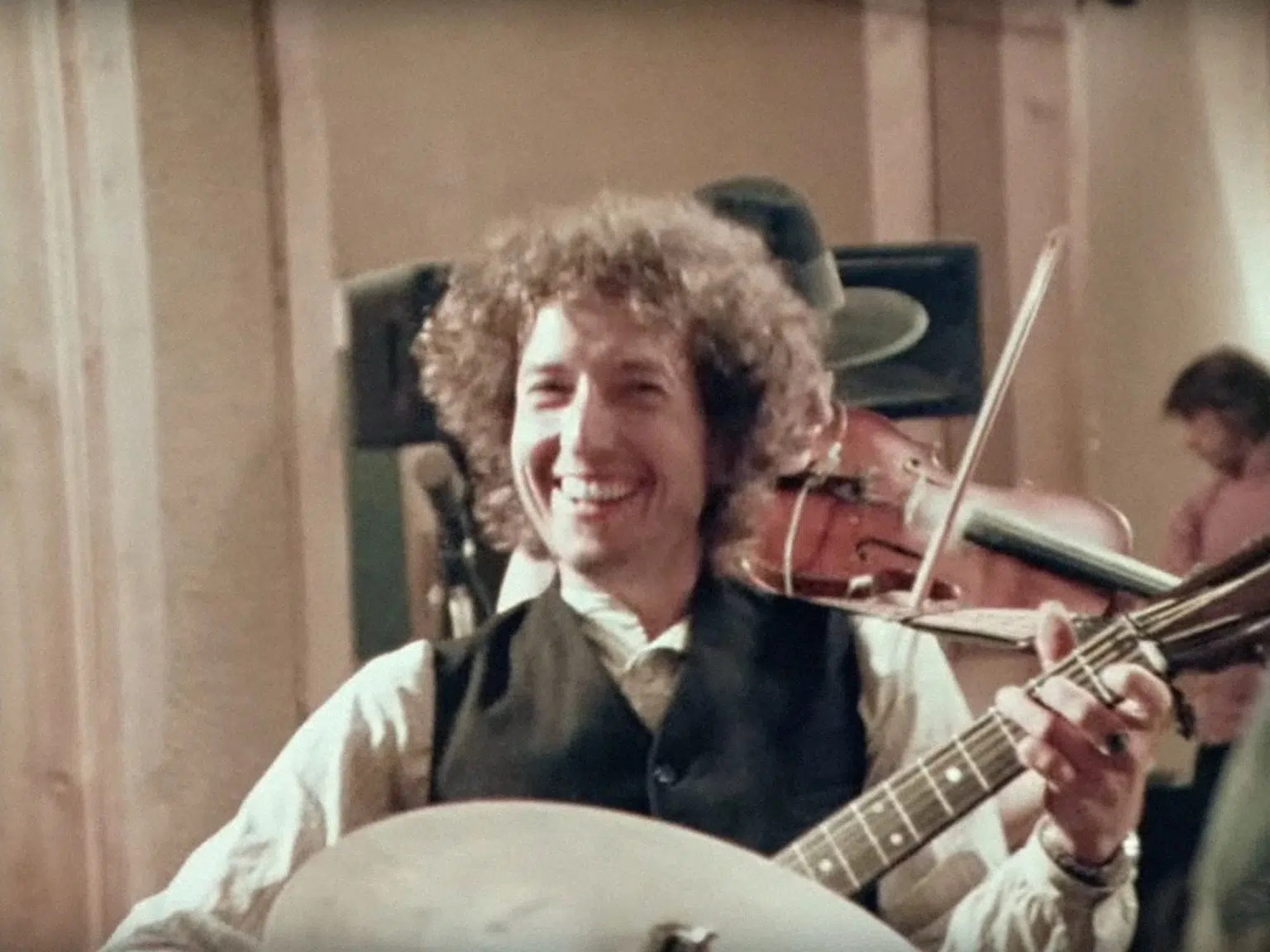
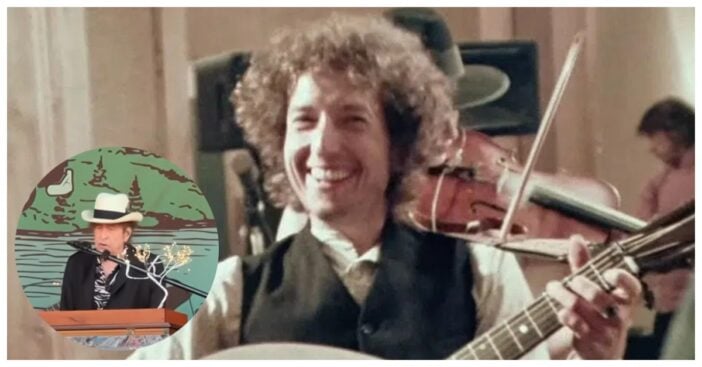
Bob Dylan has brought Masters of War back to the stage for the first time in nearly a decade. The rare moment came when Dylan opened his set at Willie Nelson’s Outlaw Music Festival with the 1963 protest classic. Fans felt the weight of the moment—he last sang the track live at the Desert Trip Festival in 2016.
American Songwriter reports that Dylan first performed the song during the festival’s stop in Buffalo, New York. The next night in Hershey, Pennsylvania, he chose it as his opener again. Both nights reminded audiences that the song’s sharp message still resonates more than sixty years after its debut.
The Origins Of Masters Of War
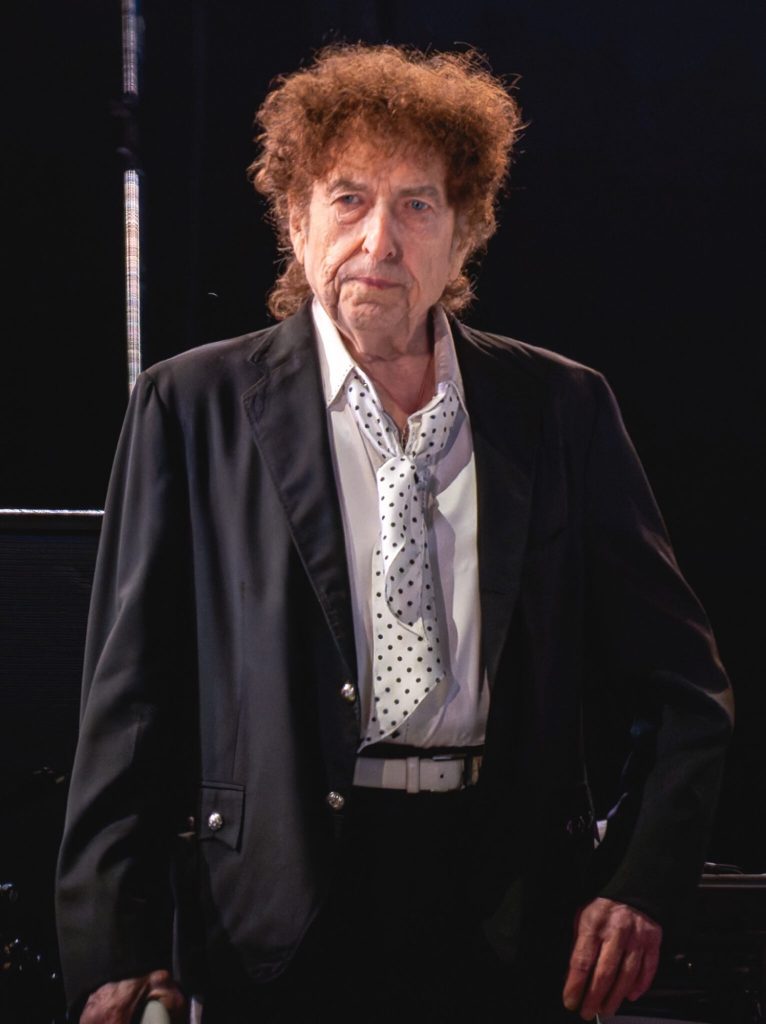
Dylan wrote “Masters of War” for his second LP, The Freewheelin’ Bob Dylan, during a tense moment in U.S. history. The country was on the verge of entering the Vietnam War, and his blunt lyrics reflected deep frustration. In the song’s final verse, Dylan directly wished for the downfall of those sending others to die.
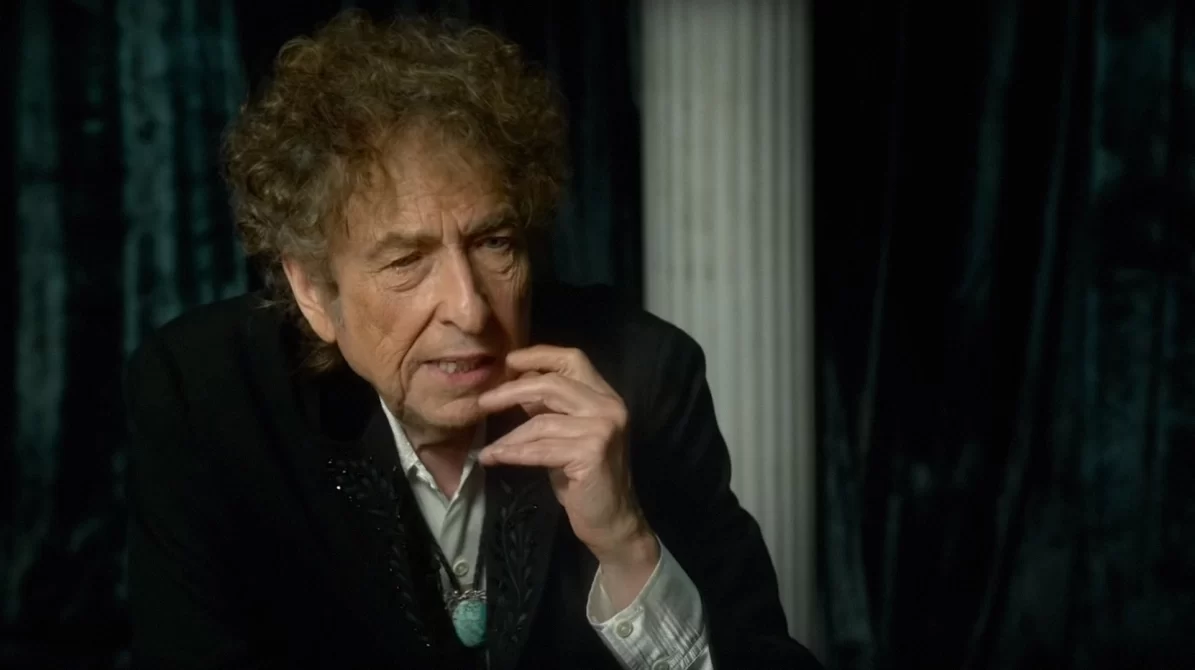
Bob Dylan / Everett Collection
In the album notes, Dylan admitted he had never written anything so direct. He described the track as his reaction to “the last straw,” a moment when anger overcame restraint. Listeners quickly connected with its unflinching honesty
A Song’s Meaning, Then And Now
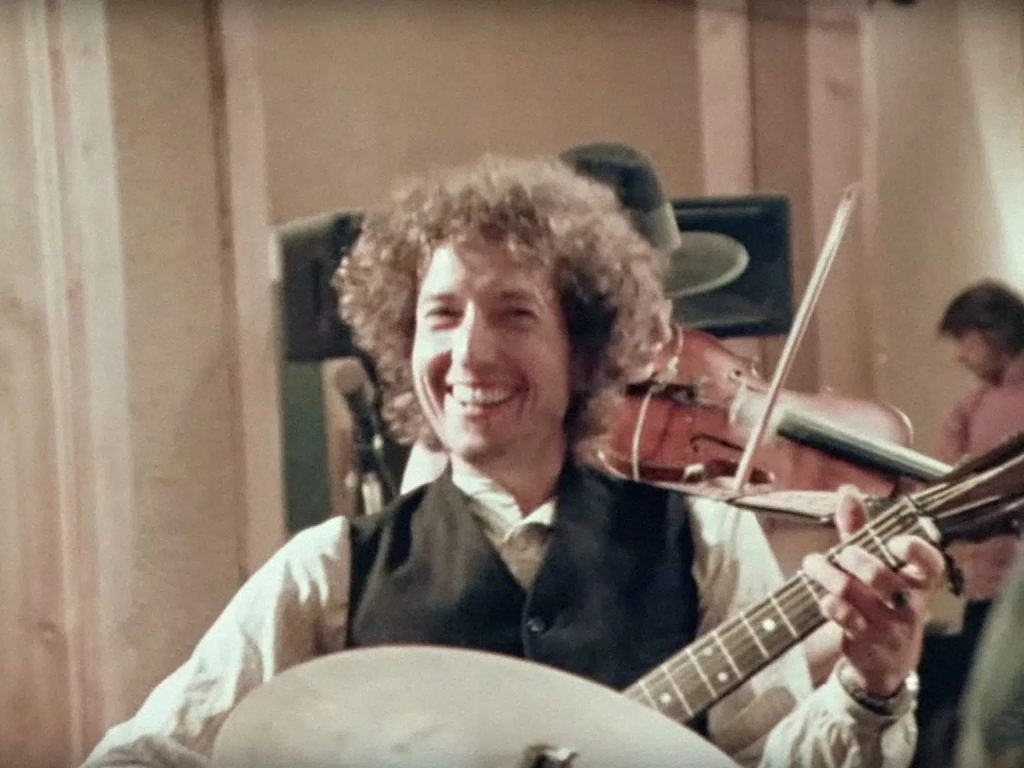
ROLLING THUNDER REVUE: A BOB DYLAN STORY BY MARTIN SCORSESE, Bob Dylan, Scarlet Rivera (playing violin, behind him), 2019. © Netflix / Courtesy Everett Collection
Over the years, some misunderstood “Masters of War“. In a 2001 interview, Dylan called it a “pacifistic song against war” and clarified that it was not simply an anti-war statement. He wrote it to challenge what President Dwight D. Eisenhower had described as the “military-industrial complex.” That idea shaped the track’s creation
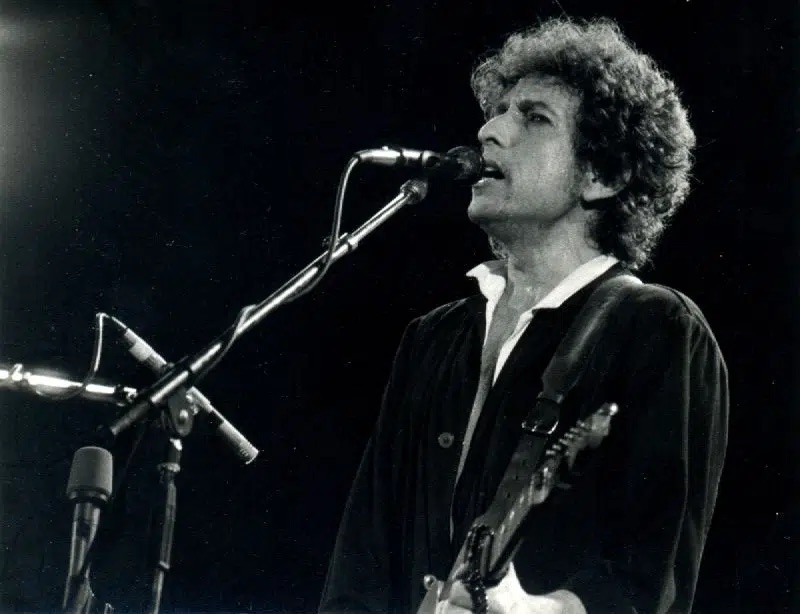
Bob Dylan’s revolutionary song made a comeback for the first time in almost a decade / Flickr
Adding “Masters of War” to his 2024 setlist sparked speculation. Some believe he may be speaking out, in his own way, about conflicts in Ukraine and Gaza. Dylan rarely comments on current events, but his choice to perform the song again made a clear statement—its relevance has not faded since 1963