Actress Finola Hughes Looks Back at Cult Classic ‘Staying Alive’ With Brutal Honesty
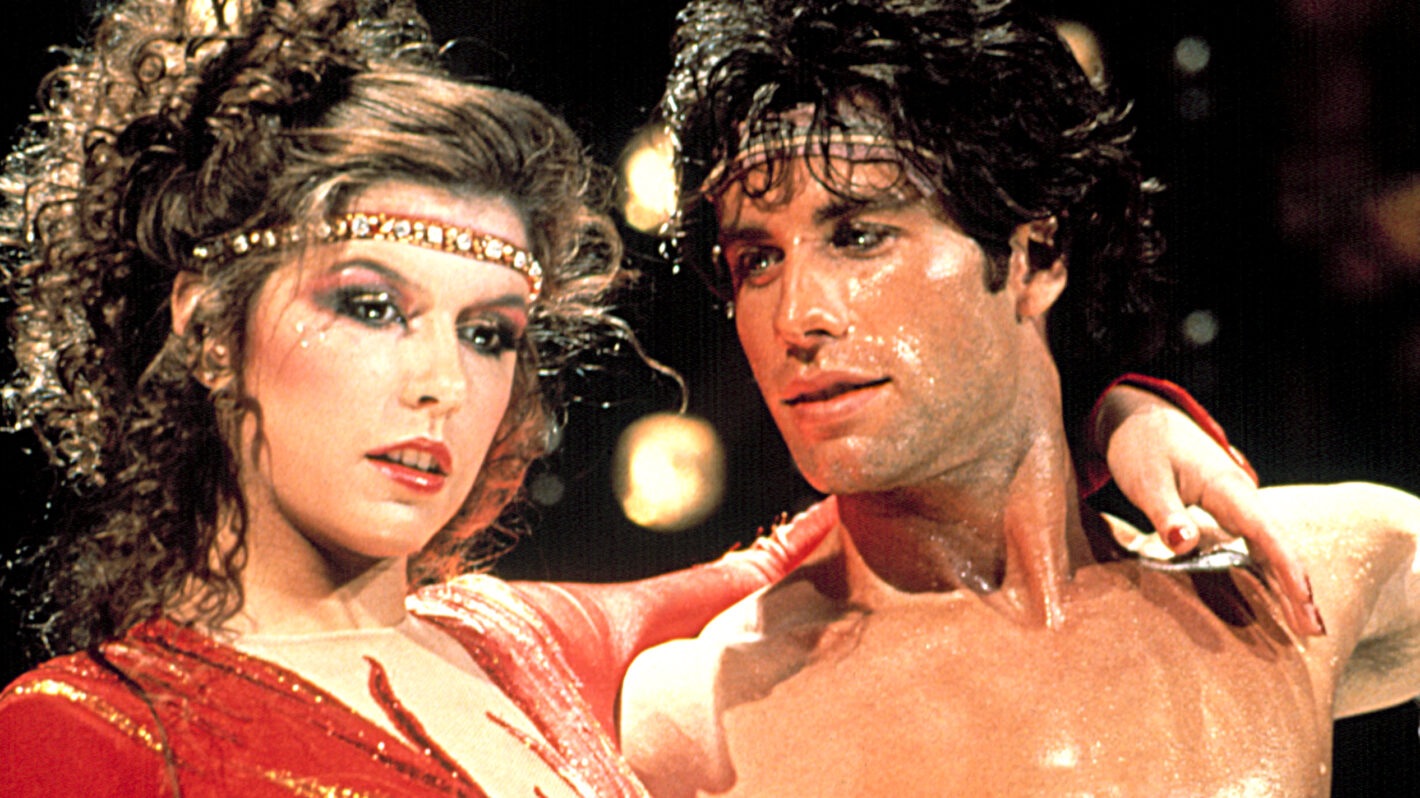
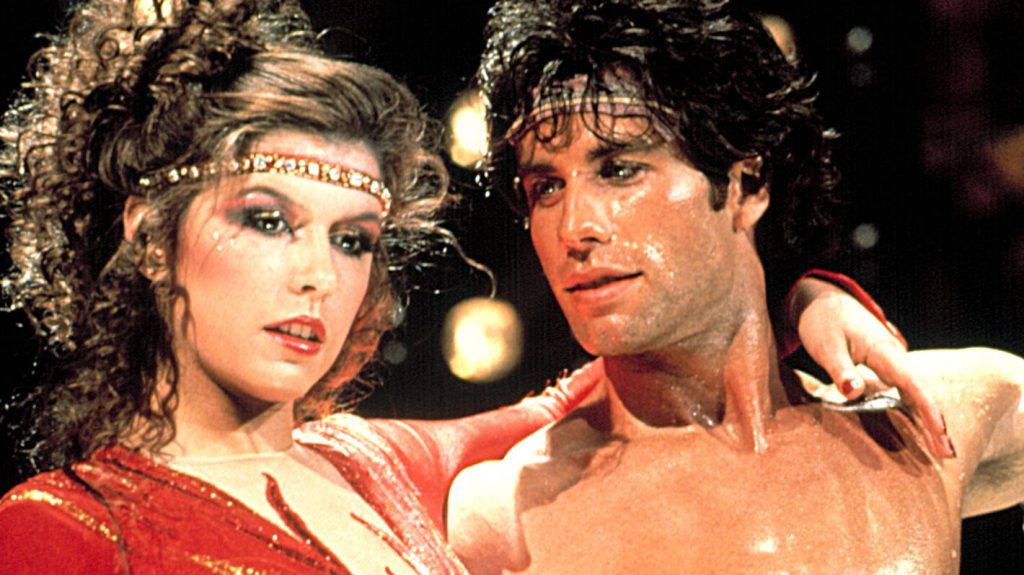
In April, Finola Hughes marked a career milestone: 40 years since stepping into the role of Anna Devane on General Hospital. But before she became a daytime icon, Hughes made her feature film debut in 1983’s Staying Alive.
The movie, a highly anticipated sequel to the 1977 blockbuster Saturday Night Fever, starred John Travolta, who reprised the role of Tony Manero. Joining Travolta behind the camera was Sylvester Stallone, fresh off three successful Rocky films at the time, who served as director.
The audition process began early in the morning. Hughes learned the routines, then read and danced with Travolta. “Sly [Stallone] was there, and then they sort of said, ‘Yeah, you’ve got the role,’” Hughes recalls. “They told me right there.”
She took the news of getting cast as Laura in stride. “I just went, ‘Oh, thank you,’” she says. “And they were like, ‘Is that all?’ They expected me to sort of jump up and down, which, of course, I would have, but I didn’t really know anyone. I think I said something like, ‘Oh well, I’m English.’ But I remember being so happy. Even though I hadn’t read the whole script, it just felt so right.”
It was her first big movie and her first time in Los Angeles, but Travolta helped Hughes find her footing. “He was the sweetest,” she raves. “He’s just lovely. He was so supportive and so kind and kind of took me under his wing a little bit because I’d never been to Hollywood and he really looked after me. He made sure that I was taken care of, and he just is great.”
“Looking back on it, I feel like I was kind of in a little bit of a bubble,” Hughes continues. “I was alone in Hollywood, I was away from everybody I knew, but I think what made that easier for me was John, because he just was such a lifeline. And even when we were filming in New York, he took me out. We went to Studio 54, and he was very kind to me. He and all the people that were with him were just very kind to me, so I did feel like I was looked after in that respect.”
Alongside Travolta’s guidance, Hughes also appreciated Stallone’s directorial style. “He was fantastic, very spontaneous,” she reports. “He likes things to be spontaneous, and I think that was good for me because I didn’t know how to do that. I didn’t really know how to do anything. I’m being completely honest — I had no idea what I was doing, and John would sort of give me little clues. I think they were always trying to loosen me up, so they would surprise me sometimes. They understood that they were working with a complete newbie.”
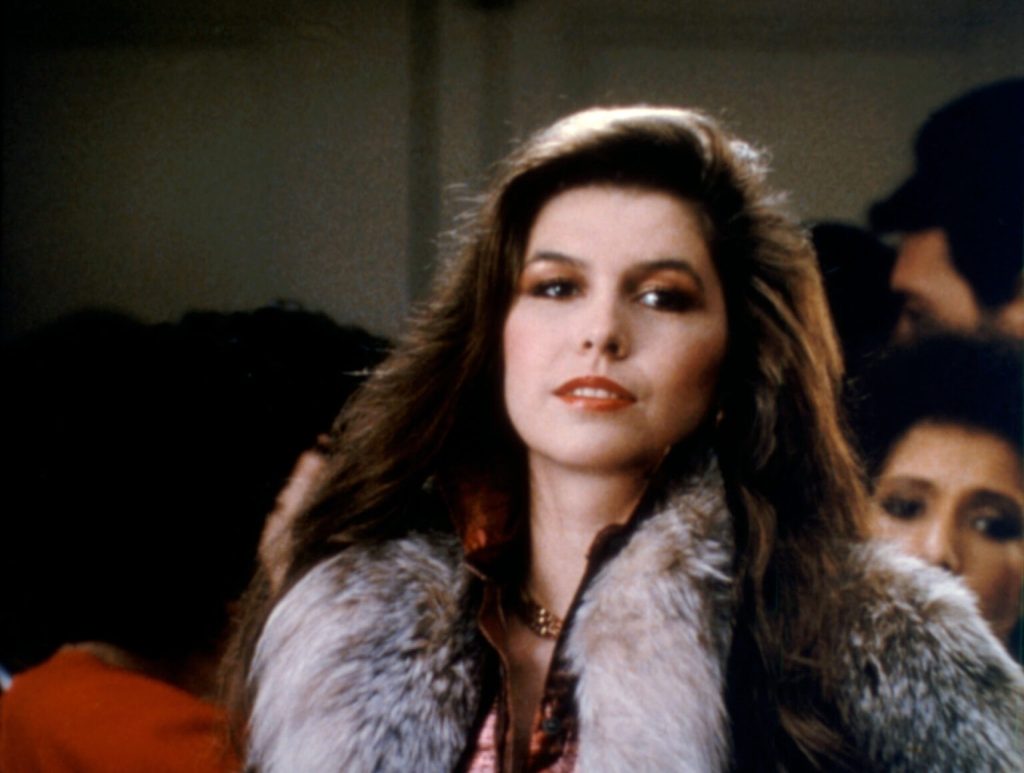
That supportive environment helped Hughes stay grounded, even as the film carried the weight of being a sequel to a cultural phenomenon. “I was kind of blind to all that,” she explains. “I’m a bit of an in-the-moment person, so it didn’t really register. But when I look back, I realize that there was a lot of pressure. There was a lot of pressure with the dancing, and I just didn’t feel it because we rehearsed for six weeks before we even started shooting. I think John had been working for three months to get in shape and to dance and everything, so there was a lot of prep work.”
he premieres brought their own memorable moments. Before arriving at the famed Grauman’s Chinese Theatre, Hughes had a little help with her wardrobe. “I didn’t have anything to wear, so Sylvester Stallone’s wife at the time, Sasha [Czack], took me into her wardrobe and I wore one of her dresses,” Hughes reveals. “I had bought something, but they were like, ‘Yeah, no.’ And Sasha said, ‘Let’s just try on a bunch of things.’ So, I wore a long slip dress with beads over the top. It was really pretty.”
In New York, Hughes drew from her own closet. “I wore a vintage white, lacy top that I bought in Los Angeles, which I think Sasha nixed, but I wore it anyway, ’cause that’s all I had,” she explains. “I wasn’t really prepared for any of that. I just remember talking to Cindy Rhodes [who played Jackie], and she was like, ‘Oh, I had two dresses made, one in this color for Los Angeles, and one in this color for New York.’ And I was like, ‘Wow, that’s such forethought.’ She had a publicist and an agent and that was really good, but I didn’t have any of that.”
The fanfare at home held a special significance for Hughes. “The London premiere was really cool because I got to bring my dad and my brother,” she says. “And John was just so nice again that he included me in whatever he was doing that night. He’s just a stand-up guy, that one. I can’t say enough good about him.”
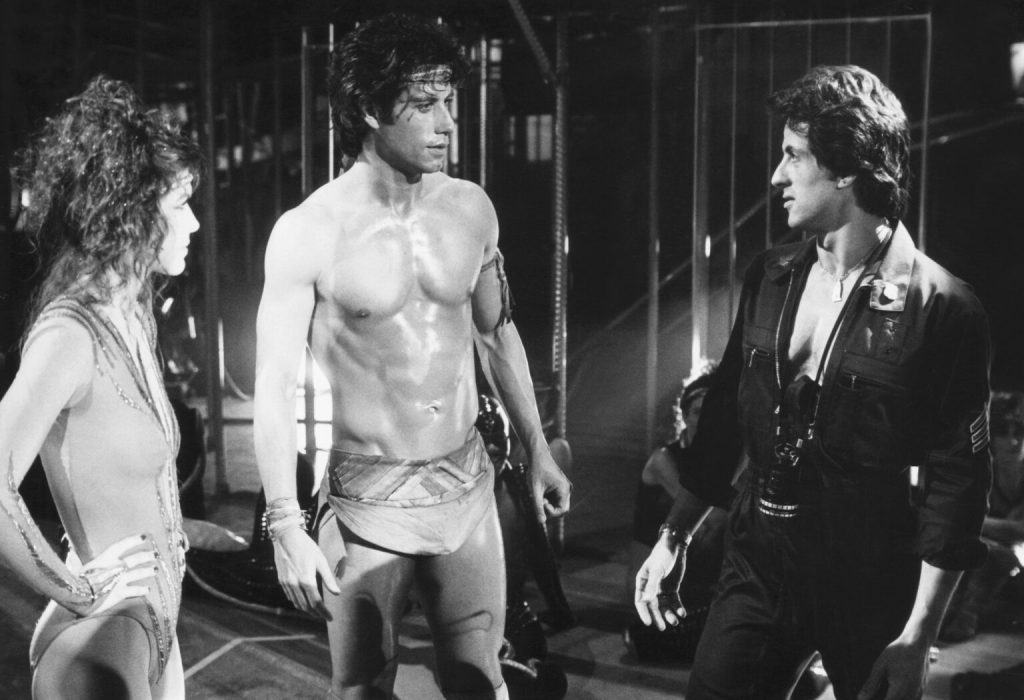
Although the film received mostly negative reviews at the time, it has since gained a cult following. Hughes reflects on her role with characteristic honesty. “I think my acting sucked,” she muses. “I was up for a Razzie Award [for Worst Supporting Actress and Worst New Star], which I now know is kind of in good standing.”
For Hughes, being a part of the film is a journey she wouldn’t trade. “It was amazing,” she enthuses. “It was really a fantastic experience and was really cool.”
Even decades later, the connections she made on set endure. “I’ve seen John a couple of times and I ran into Sly in Beverly Hills one time, many years ago,” she relays. “He was so great. I said I was doing this and that, and he said, ‘Yes, you always had a very good work ethic.’ He’s really supportive and cool. It was nice.”