The Most Genius Movie Quotes, Ranked
A movie can only be as good as its script. It’s where everything has its roots: the story, the characters, the themes, and, of course, the dialogue. In particular, dialogue can make or break a film. The story can be entertaining, the characters can be interesting, and the themes can be compelling, but if the way they speak feels clunky and artificial, the audience’s suspension of disbelief will fall apart. As such, dialogue is one of the pieces of the craft that’s most important for screenwriters to master.
Throughout the history of cinema, there have been several great pieces of dialogue, but to call a movie quote “genius” is a different tier altogether. We’re talking about dialogue that isn’t just memorable and iconic: It’s brilliant writing. Whether it’s because the quote encapsulates the film’s themes perfectly, offers a revolutionary plot twist, or is simply written in a way that’s surprisingly clever, these are the most genius pieces of dialogue in film history, ranked from smart to smartest.
“Louis, I think this is the beginning of a beautiful friendship.”
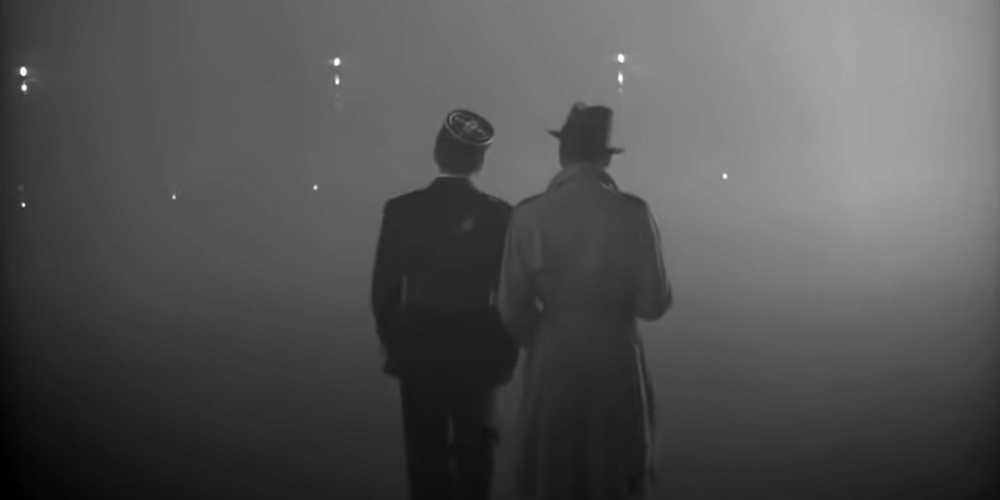
One of the most iconic films of Hollywood’s Golden Age, Casablancabecame one of the precursors of the cult cinema phenomenon. It was its cult following, precisely, that cemented its reputation as one of the most quotable movies ever written. This romance drama is filled to the brim with witty, memorable dialogue, and it’s always a delight to quote it when rewatching the film
Casablanca has some of the best last five minutes in cinematic history, including one of the best final lines in any movie. This timeless quote does far more than just make the movie’s poignant ending conclude on a more bittersweet note: It’s also the perfect culmination of Rick Blaine’s (Humphrey Bogart) character, as well as a reshaping of what the story’s finale represents. Ilsa Lund’s (Ingrid Bergman) departure becomes not only heartbreak, but also a chance at a rebirth for Rick.
“Well, nobody’s perfect.”
‘Some Like It Hot’ (1959)

Arguably the greatest screenwriter of Hollywood’s Classic era, Austrian-born Billy Wilder was always ahead of the curve when it came to defying the regulations of the Hays Code as subtly and hilariously as he could. Some Like It Hot is one of his best, funniest, and most transgressive films, one whose depiction of gender and sexuality has aged surprisingly well for a nearly 70-year-old movie.
All in all, Some Like It Hot is one of the most timeless classic comedies in movie history, and that definitely includes its ending, where Osgood (Joe E. Brown) accepts Daphne (Jack Lemmon) despite her actually being Jerry, a man. Sure, it’s a moment played for laughs, but it’s also one of the most progressive endings in Classical Hollywood history, all thanks to this brilliant quote, spoken by one of cinema’s biggest, not to mention happiest, bisexual icons.
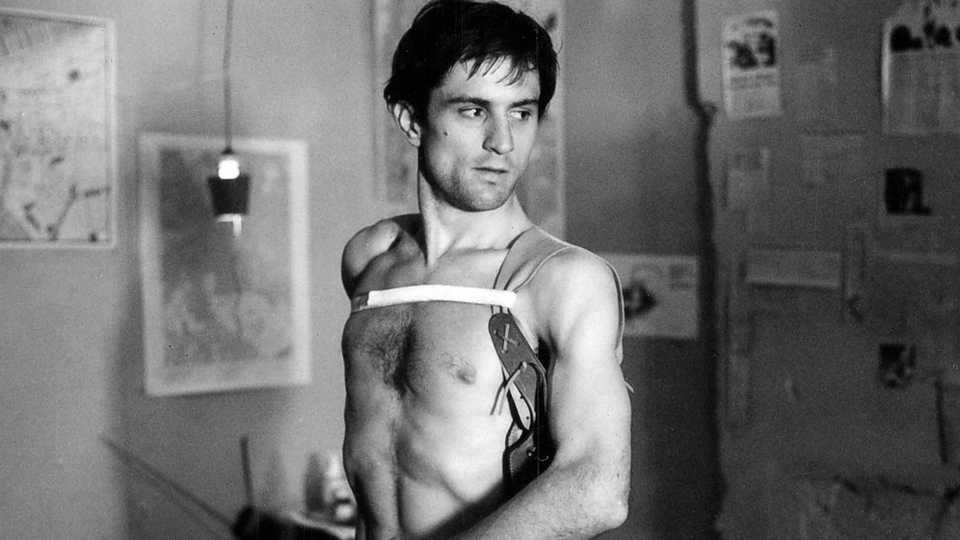
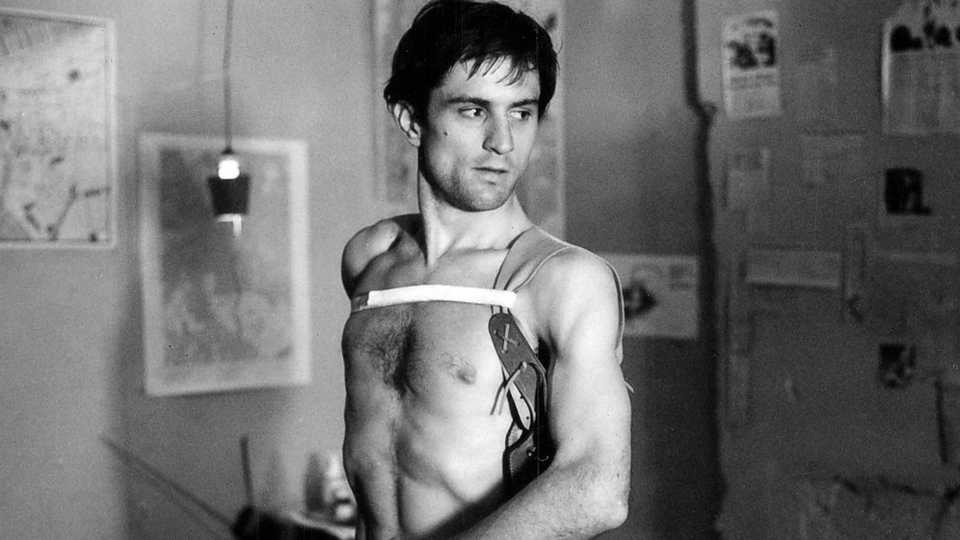
“You talking to me?”
‘Taxi Driver’ (1976)

In Martin Scorsese’s Taxi Driver, Robert De Niro delivers one of the greatest performances of his career as the insomniac antihero Travis Bickle. Grim, gritty, and about as close to perfection as character studies get, the film is one of the most influential of the New Hollywood movement, a riveting drama about loneliness, isolation, violence, and urban decay.
The movie’s most famous quote, as it happens, was ad-libbed by De Niro. This brilliant moment of improvisation only contributes to the genius of the line. A perfect encapsulation of Bickle’s alienated and twisted psyche, the quote is one of the most fitting catchphrases of any character in film history. It’s a character constructing his mythology right in front of the audience’s eyes, and it was all De Niro’s idea—as if any more proof were needed that he’s one of the best actors to ever grace the medium.
“You don’t understand! I coulda had class. I coulda been a contender. I could’ve been somebody, instead of a bum, which is what I am.”
‘On the Waterfront’ (1954
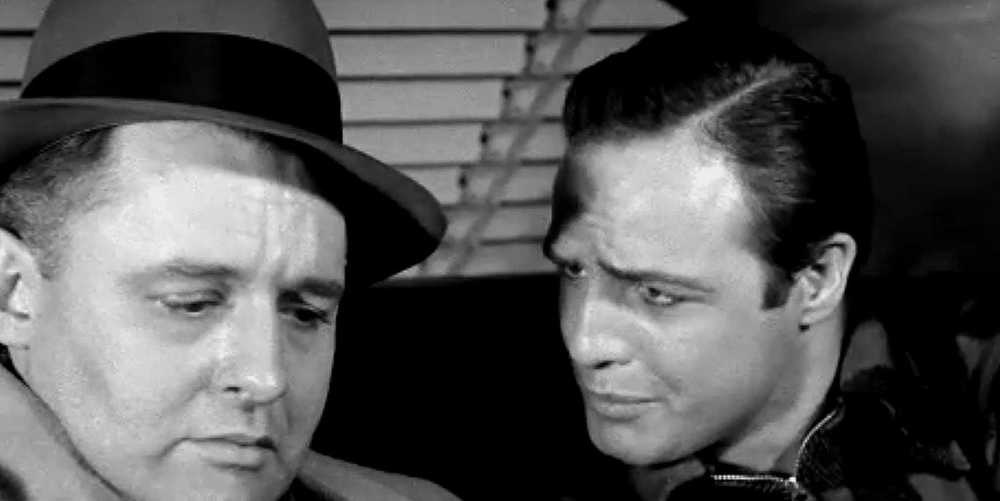
Many recognize Marlon Brando as the greatest American actor who ever lived, and it was On the Waterfront that earned him his first-ever Oscar victory, only three short years after his first-ever nomination for A Streetcar Named Desire. It’s one of the most electrifying melodramas of its era, spearheaded by Brando, redefining the boundaries of screen acting.
It’s one of Brando’s most essential movies, a staggering tale of corruption and violence with the best work of his career. One needn’t look any further than the film’s most iconic scene, a dialogue between Terry (Brando) and Charley (Rod Steiger), to see why Brando’s performance is so good. The “contender” quote is brilliant enough on paper — an emotionally powerful expression of raw self-awareness — but it’s Brando who elevates it to something transcendentally genius through his brilliantly subtle delivery.
Frankly, my dear, I don’t give a damn.”
‘Gone With the Wind’ (1939)

To this day, after adjusting for inflation, Gone With the Wind is the highest-grossing movie of all time by a decent margin, and that’s quite unlikely to ever change. Some aspects of it have aged very poorly, but something remains undeniable: It’s one of the biggest and most ambitious achievements in the history of cinema, a romantic melodrama whose unparalleled scope and scale could never possibly be matched.
It’s one of the best films about life during war, reflecting its themes on the tumultuous relationship between Rhett (Clark Gable) and Scarlett (Vivien Leigh)—which, sadly, ends in tragedy and heartbreak. Before he disappears for a final time into the morning fog during the movie’s ending, Rhett throws at Scarlett one of the most iconic lines in film history. At the time, the inclusion of the word “damn” was transgressive. That may not be the case anymore, but the quote still packs a hell of a lot of bite, twisting everything that’s come before on its head and finishing off the story with a legendary bit of bluntness.