A hundred years ago, everyone wore hats. In 1960, they suddenly stopped. Here’s why.
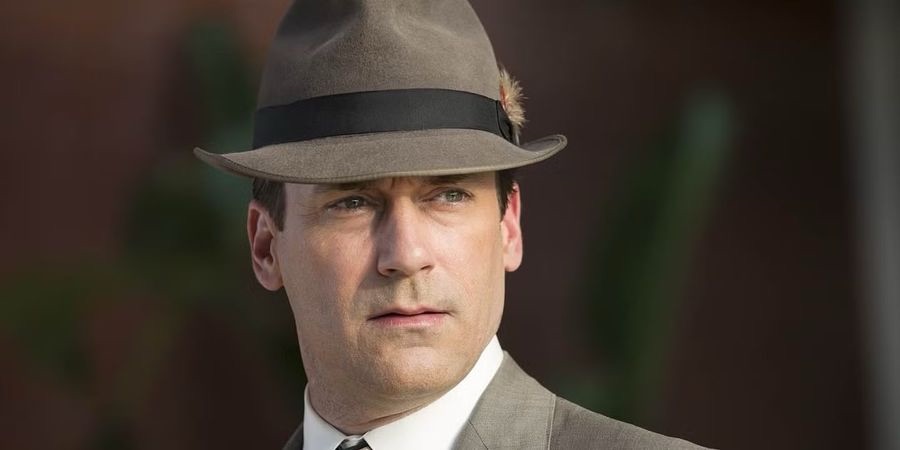
Old footage from the ’50s shows men, women, and children wearing hats everywhere they go.
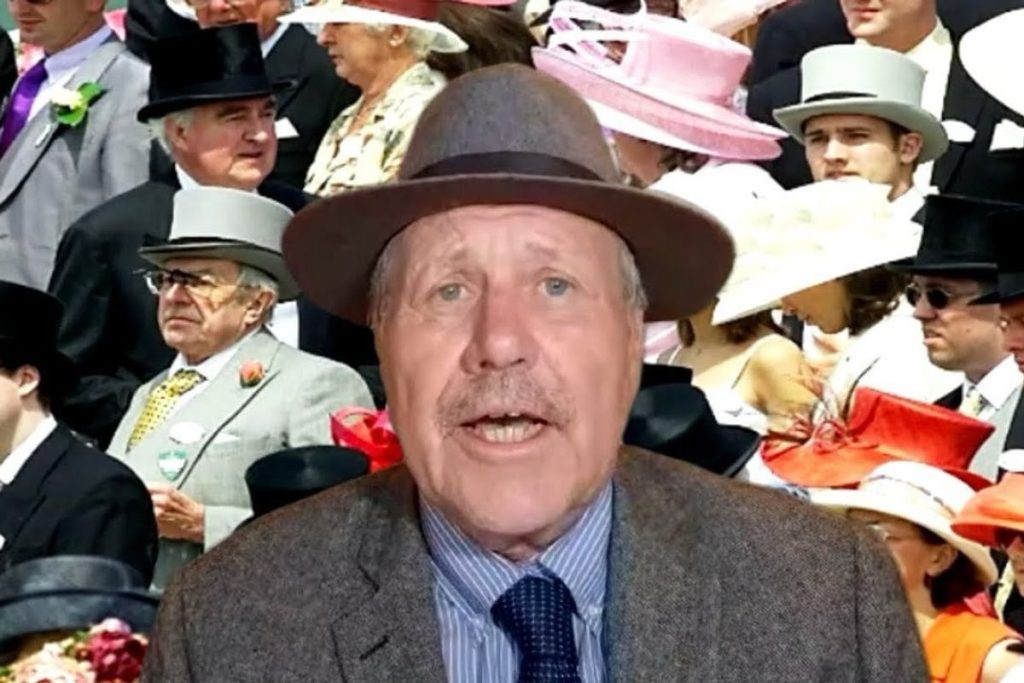
It was everywhere. Men, women, and even children did it every time they left the house. If you see old newsreel footage of men in the office or on commuter trains from the advent of the motion picture camera to the early ‘60s, nearly everyone is wearing a hat. Hats were just as common for women in that era. For a woman to go out without a hat in the first half of the 20th century was akin to going out without clothes.
The funny thing is that everyone’s headgear is so similar in the old-timey footage that it makes previous generations look like big-time conformists. Then, in the early ‘60s, everything changed, and men and women started to go out in public with their hair exposed. Why did such a big aspect of fashion seem to change overnight?
Warmbru Curiosityinvestigated the question recently in a popular YouTube video. Warmbru’s channel is a lighthearted look at some of the more unusual people and events from our history and how they have influenced the world in which we live.
Why did people stop wearing hats?
Warmbru says fashion changed dramatically after World War II, when people in developed countries began to care less about expressing their social status. “This was especially true among the younger generation the rise of youth culture in the 1950s and 1960s emphasized rebellion against traditional norms, including formal dress codes,” the YouTuber says
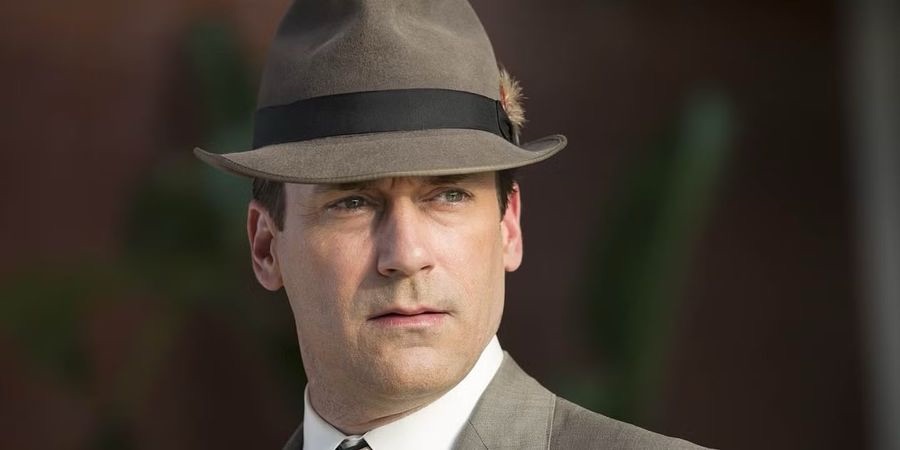
Another big reason for the change in fashion was technology. Cars became the preferred mode of transportation for many after World War II and indoor environments became more hospitable. “People spent far less time exposed to the elements as people increasingly moved to urban areas and started using cars,” Warmbru says. “The practicality of wearing hats diminishes. Hats can be cumbersome in cars and on public transport, improvements in heating and air conditioning reduce the need for hats to provide warmth.”
Warmbru adds that President John F. Kennedy, elected in 1960, rarely wore a hat and his decision to go bareheaded became associated with modernity. Further, in 1963, the mop-topped Beatles proudly flaunted their hatless heads as they shook them while singing, “Wooooo.” Hat-wearing among women began to decline around the same time as the restrictive and complex headgear clashed with the burgeoning women’s liberation movement.
The decline in hat purchases meant that manufacturers closed and the headgear became harder to come by. This reduced availability further contributed to the decline in hat-wearing. As fewer people wore hats, there became a greater demand for high-quality hair products and services. “Why spend a fortune at the hairdressers or the barbers just to cover the end result with a hat?” Warmbru asks
Ultimately, there were many reasons why people stopped wearing hats. It appears that it was a combination of technology, influential people such as Kennedy and The Beatles, and the overwhelming mood of change that swept most of the Western world in the 1960s. But if one thing is true about fashion, it goes in cycles. So, it seems that hats may be ready for their big comeback.