Labour Peer Under Fire for Refusing Epstein–Mandelson Questions
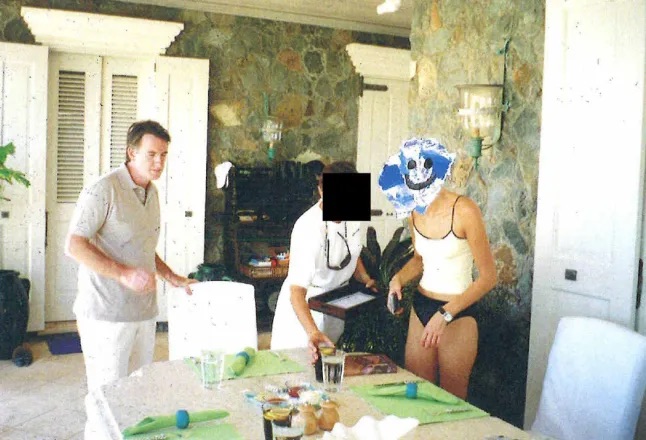
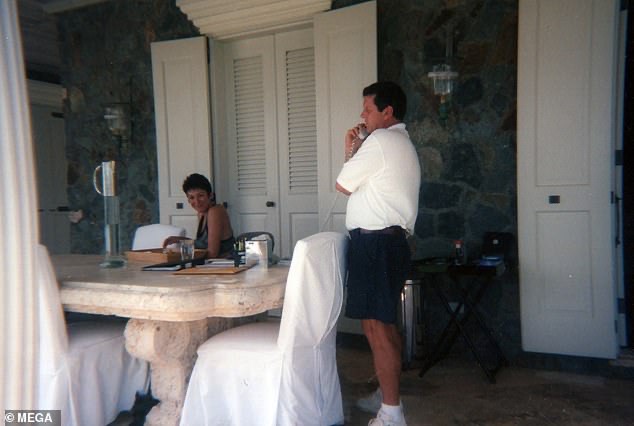
A Labour politician’s car-crash interview has dragged Peter Mandelson’s name back into the spotlight, as fresh scrutiny mounts over his historic links to convicted sex offender Jeffrey Epstein.
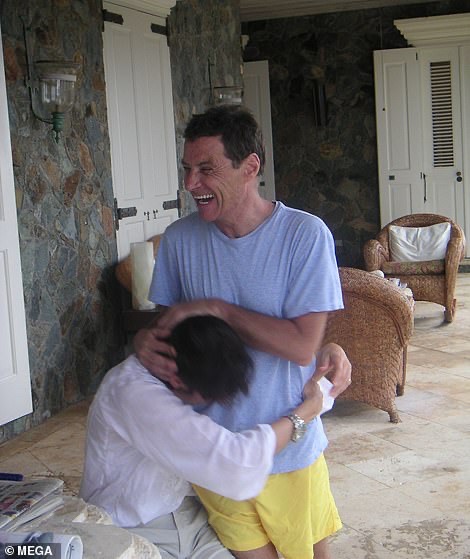
Baron Mandelson — once one of the most powerful figures in Tony Blair and Gordon Brown’s governments — was forced out of his role as UK ambassador to the United States on Thursday. The dismissal followed the emergence of emails he had exchanged with Epstein, along with evidence suggesting he downplayed the disgraced financier’s 2008 conviction for child sex offences.
Mandelson’s downfall has sent shockwaves through Westminster. A letter he contributed to Epstein’s lavish 50th birthday book resurfaced this week, in which he referred to the billionaire paedophile as “my best pal” while still serving in Blair’s cabinet. Officials now allege that Mandelson failed to fully disclose the extent of his relationship with Epstein when he was appointed ambassador earlier this year.
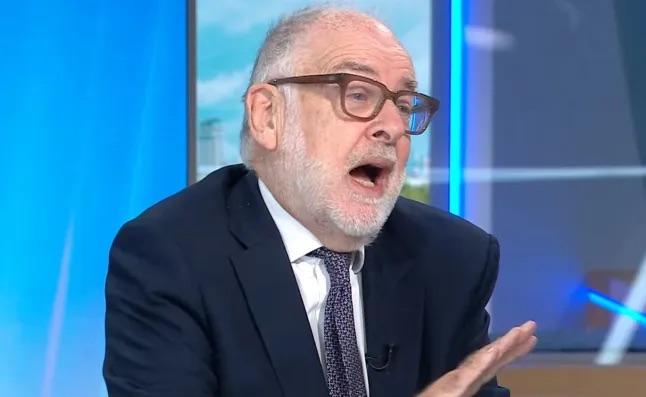
The scandal intensified today during a Sky News interview with Lord Falconer, another senior Labour figure who sat alongside Mandelson in Blair’s cabinet. Asked repeatedly about the controversy, Falconer flatly refused to answer — stonewalling no fewer than eight separate attempts to question him.
At first, Falconer tried to steer the conversation toward his current campaign on assisted dying, which is due to be debated in the House of Lords. But as interviewer Kamali Melbourne pressed him on whether he had spoken with Mandelson or felt embarrassed by the revelations, Falconer became visibly uncomfortable.
“Would you mind if I don’t go there?” he asked, before repeating: “I’m afraid I won’t go there … I’m not going to comment at all.”
Even after several follow-ups, Falconer stuck to his line, insisting: “I’m not remotely embarrassed, I really do want to focus on assisted dying.”
The evasive exchange has only deepened speculation around how much senior Labour figures knew about Mandelson’s friendship with Epstein, and whether party grandees are seeking to close ranks.
For his part, Mandelson has admitted that the publication of his correspondence was “very embarrassing.” He said he felt a “tremendous sense of regret” over his association with Epstein and sympathy for the victims, but also stressed that the communications were more than two decades old.
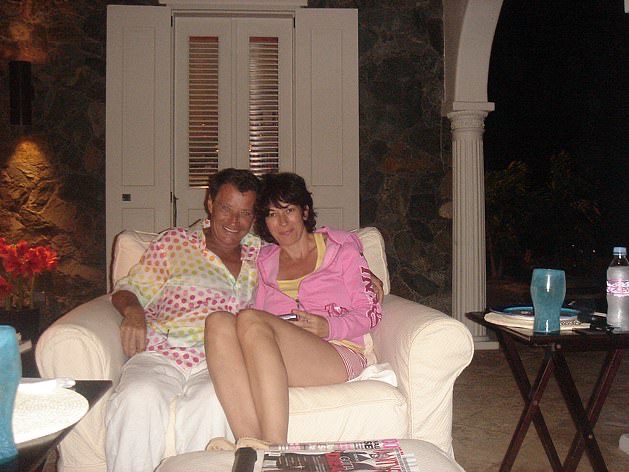
“I was taken in by a charismatic criminal liar,” he claimed.
In a letter to staff at the British embassy in Washington following his dismissal, Mandelson described serving as ambassador as “a privilege.” He wrote:
“The circumstances surrounding the announcement today are ones which I deeply regret. I continue to feel utterly awful about my association with Epstein 20 years ago and the plight of his victims. I have no alternative to accepting the Prime Minister’s decision and will leave a position in which I have been so incredibly honoured to serve.”
Mandelson’s resignation marks a dramatic fall for a man once considered a master strategist at the heart of New Labour — and the fallout from his Epstein connection shows no sign of abating.