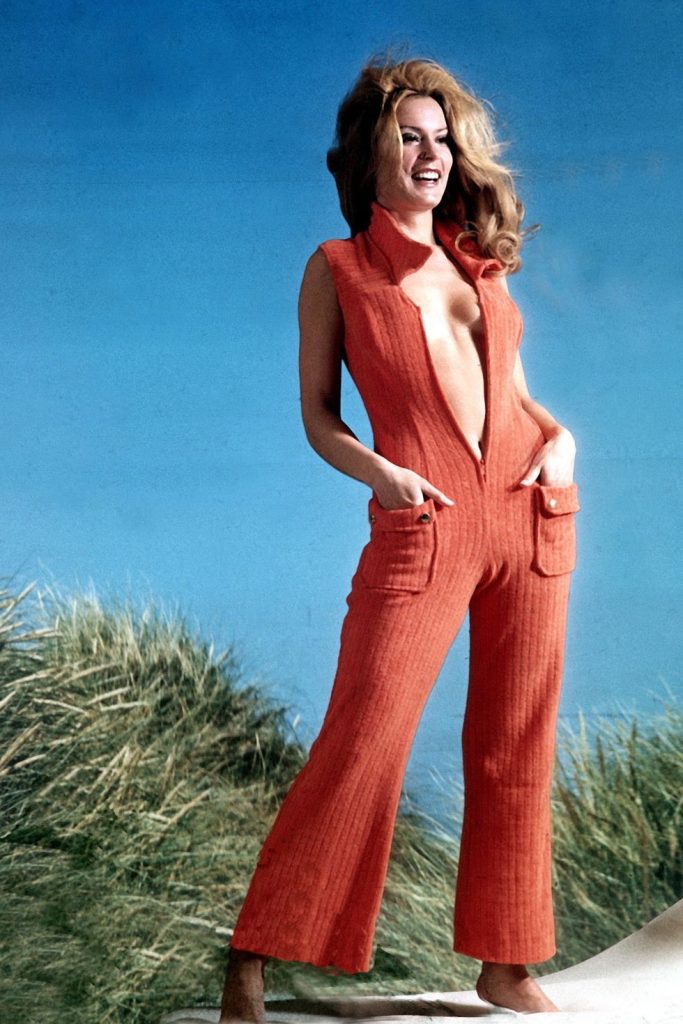
“The Bold and Groovy Style of the ’70s”
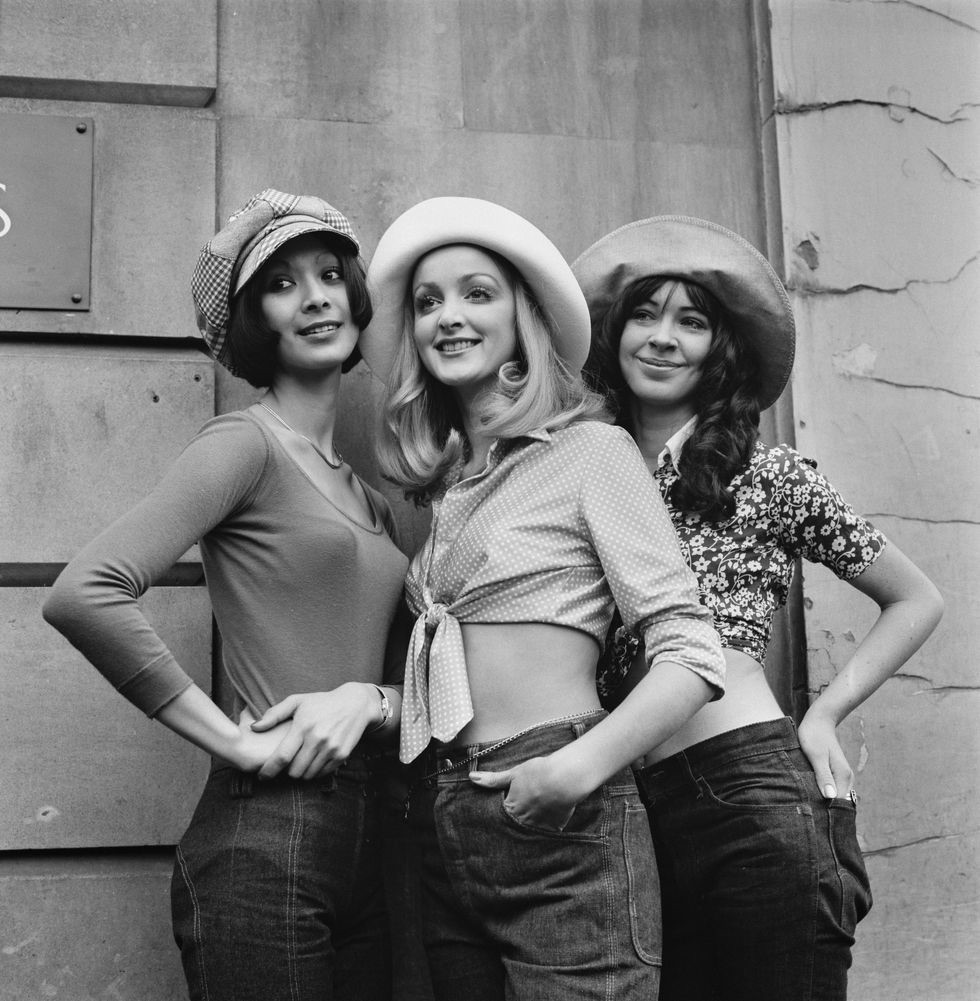
Fashion in the 1970s: A Decade of Bold Expression
The 1970s was a defining decade for fashion, full of experimentation, rebellion, and freedom of self-expression. It was a time when cultural movements, music, and social change all came together to influence the way people dressed. From the free-spirited hippie styles to the sparkling glamour of the disco scene, the decade produced looks that remain iconic even today.

The Hippie Influence
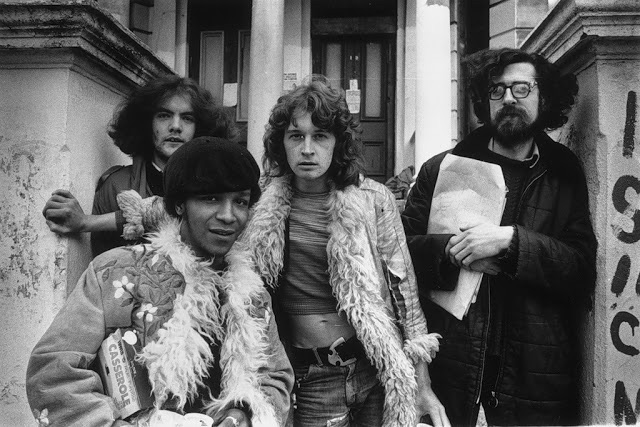
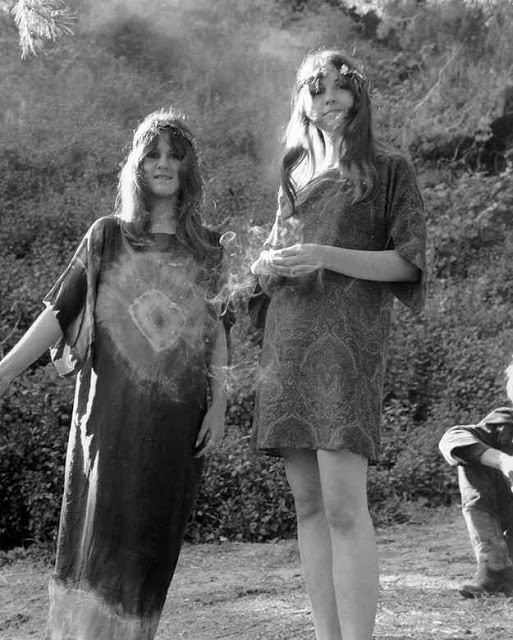
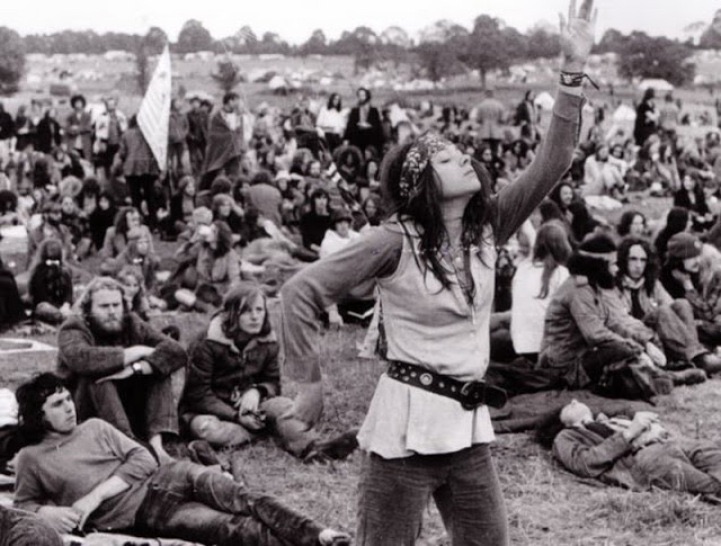
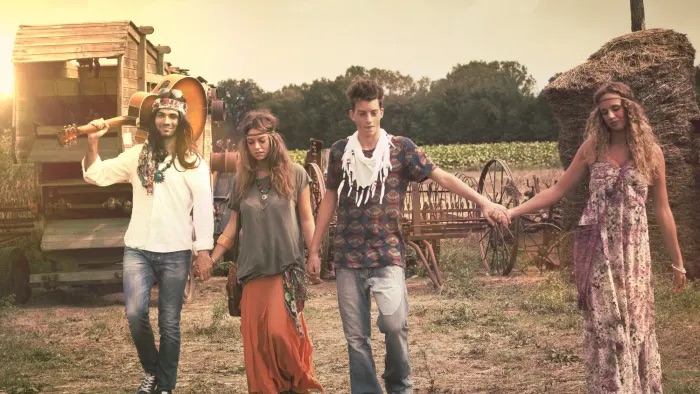
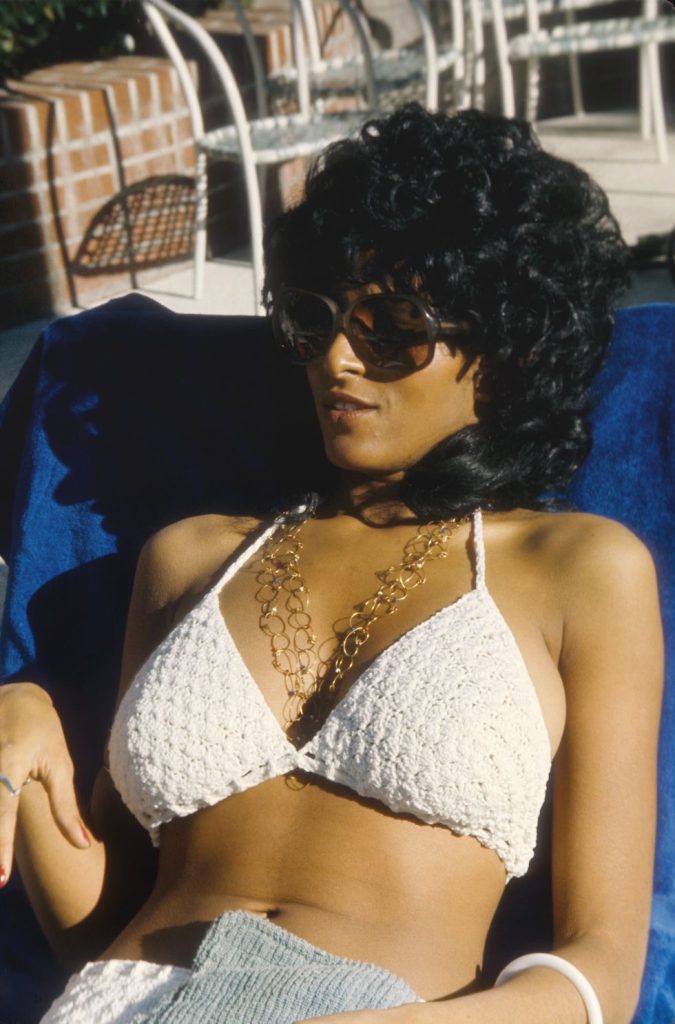
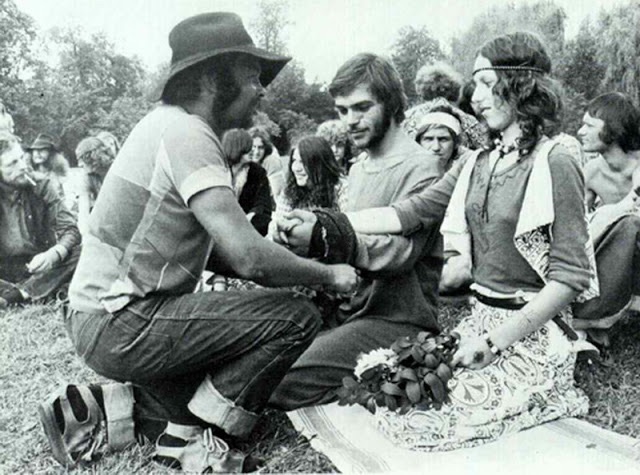
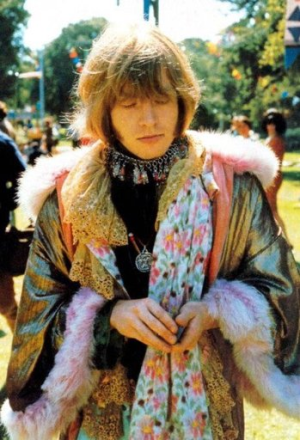
At the start of the decade, the hippie movement of the late 1960s still had a strong presence. Long flowing skirts, maxi dresses, fringed jackets, tie-dye shirts, and beads reflected a carefree, bohemian lifestyle. Natural fabrics like cotton and suede were popular, often decorated with embroidery or handcrafted details. This style was more than fashion — it was a cultural statement about peace, love, and living close to nature.
Everyday Staples: Denim and Bell-Bottoms
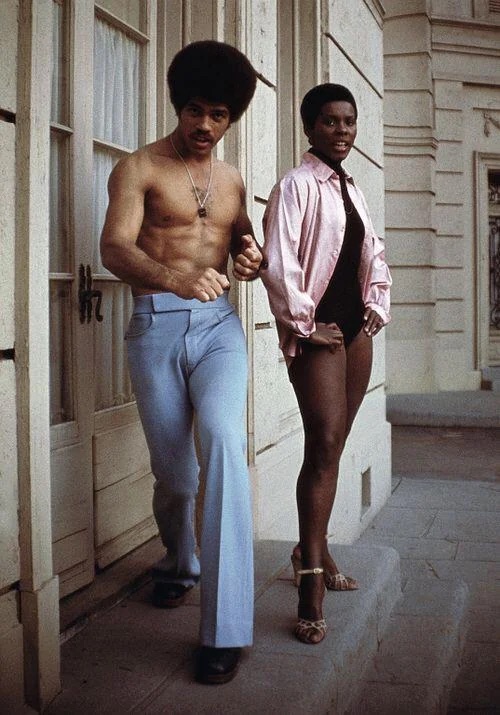
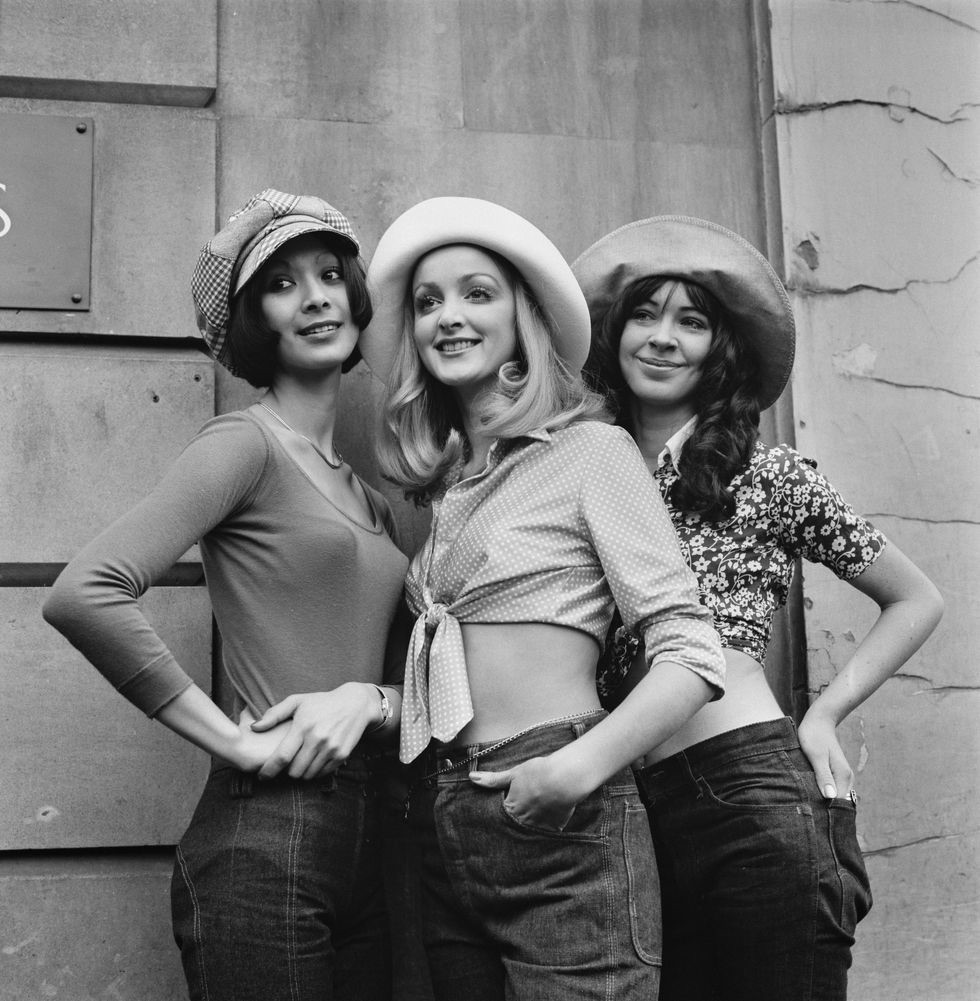
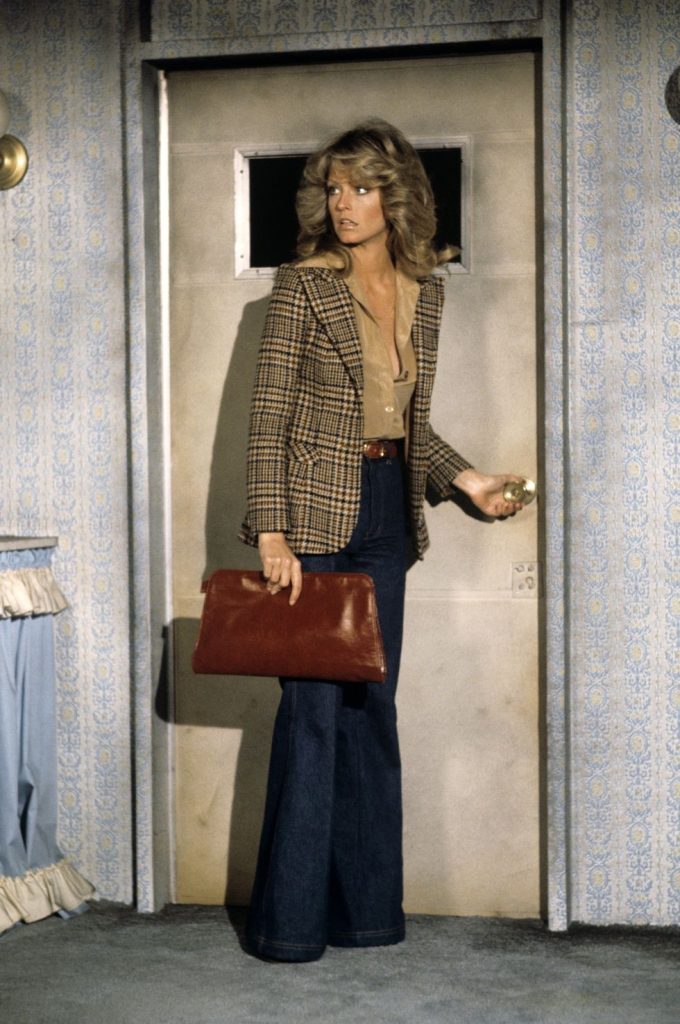
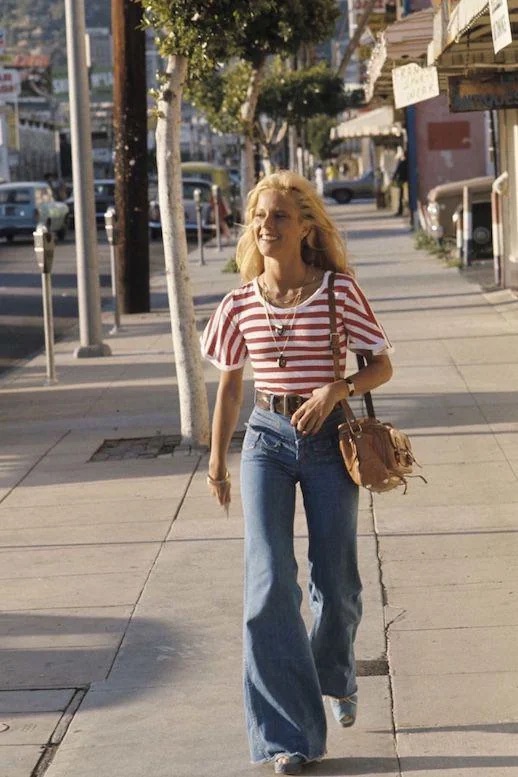
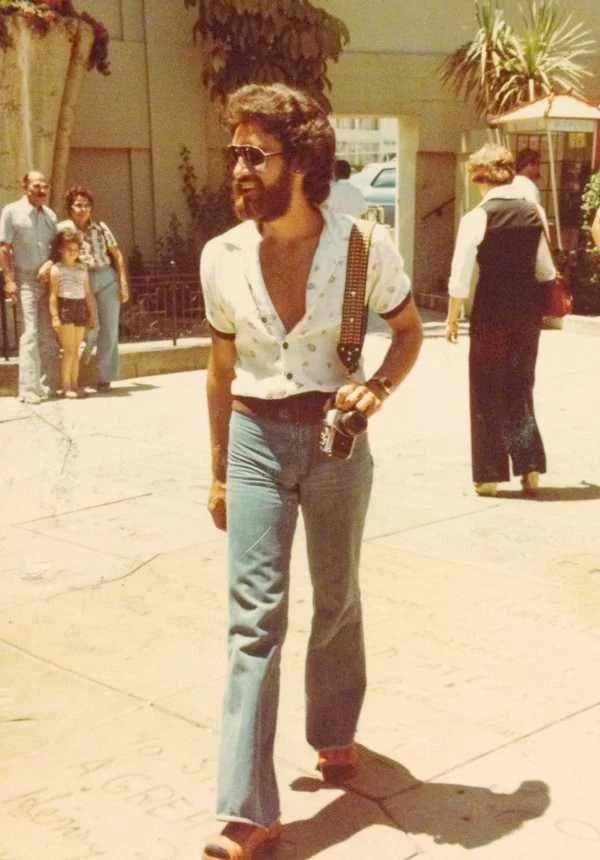
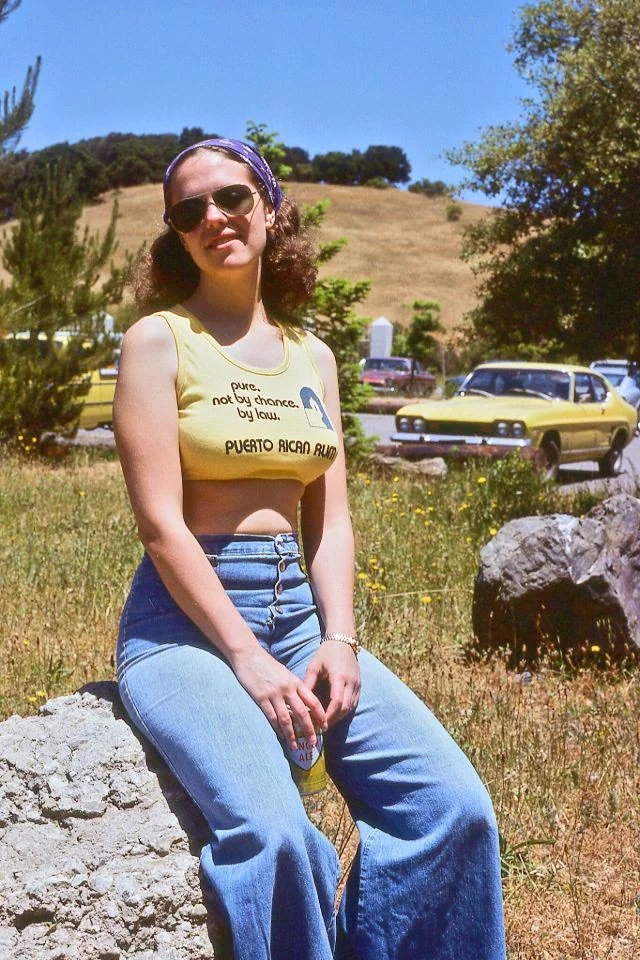
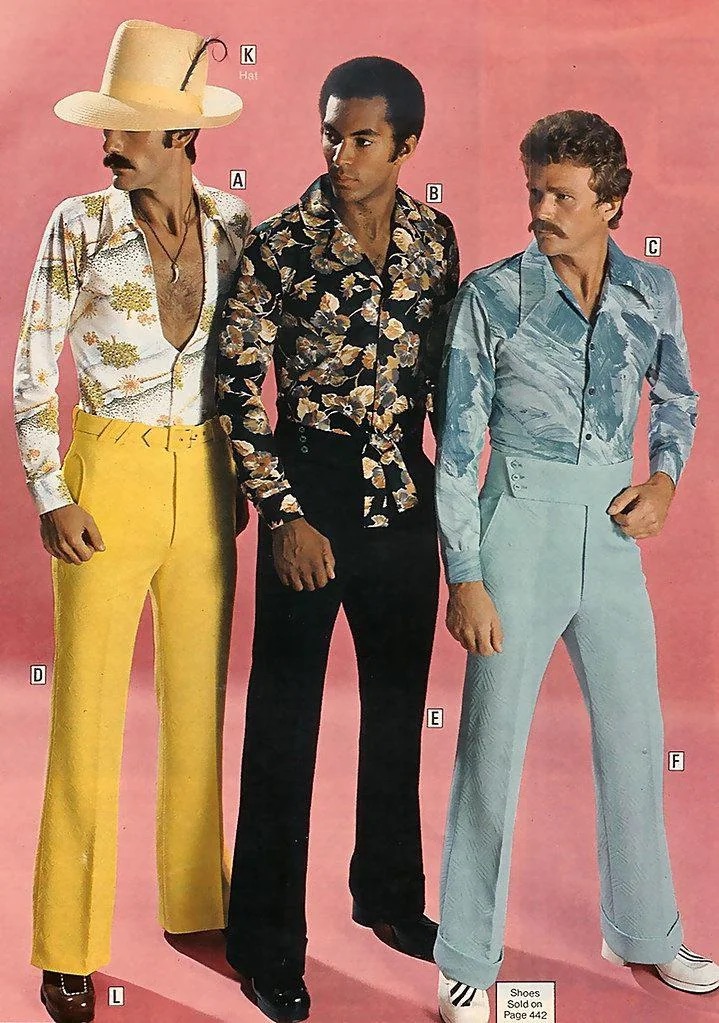
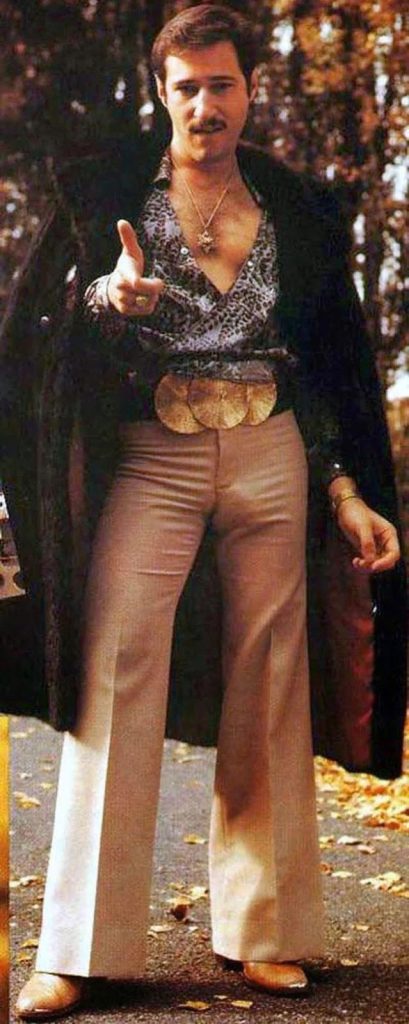
Few trends define the 1970s more than bell-bottom jeans. Worn by both men and women, these flared pants became a wardrobe essential. Denim exploded in popularity, with jeans being paired with everything from turtlenecks and peasant blouses to leather jackets. High-waisted cuts and wide collars gave outfits a distinctive look, while patchwork and embellishments allowed for personal creativity.
The Rise of Glam and Disco
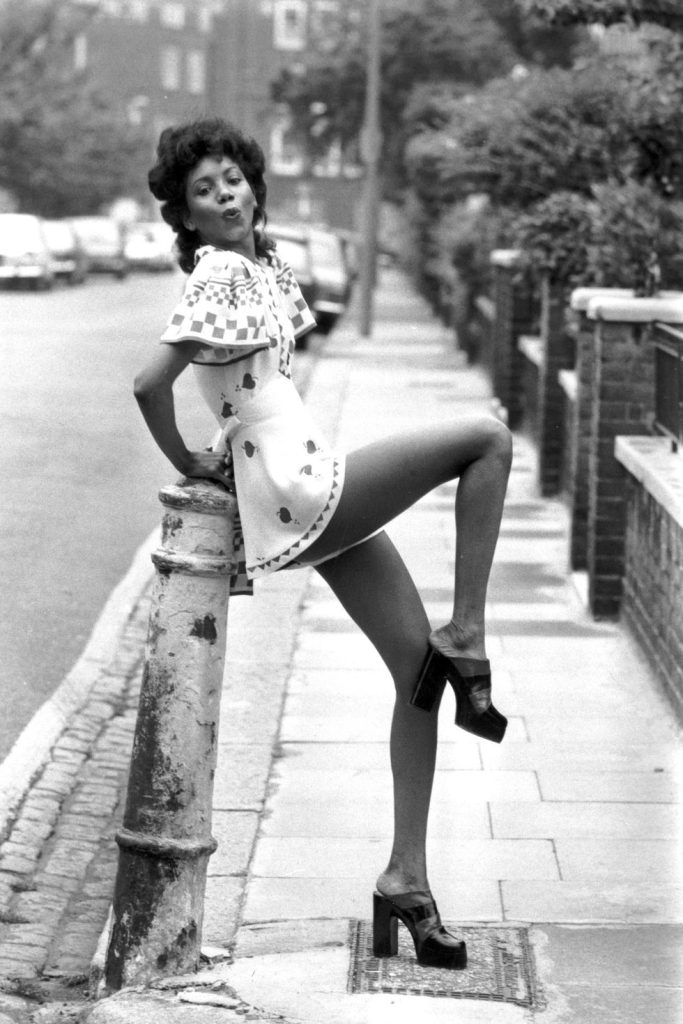
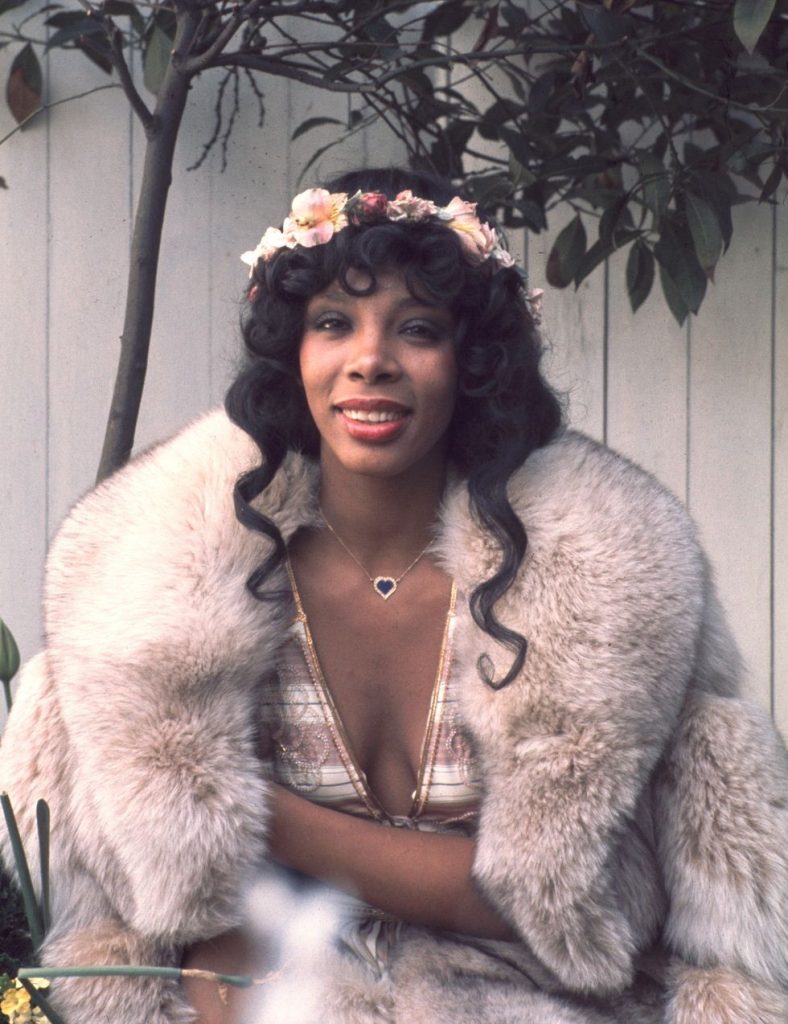
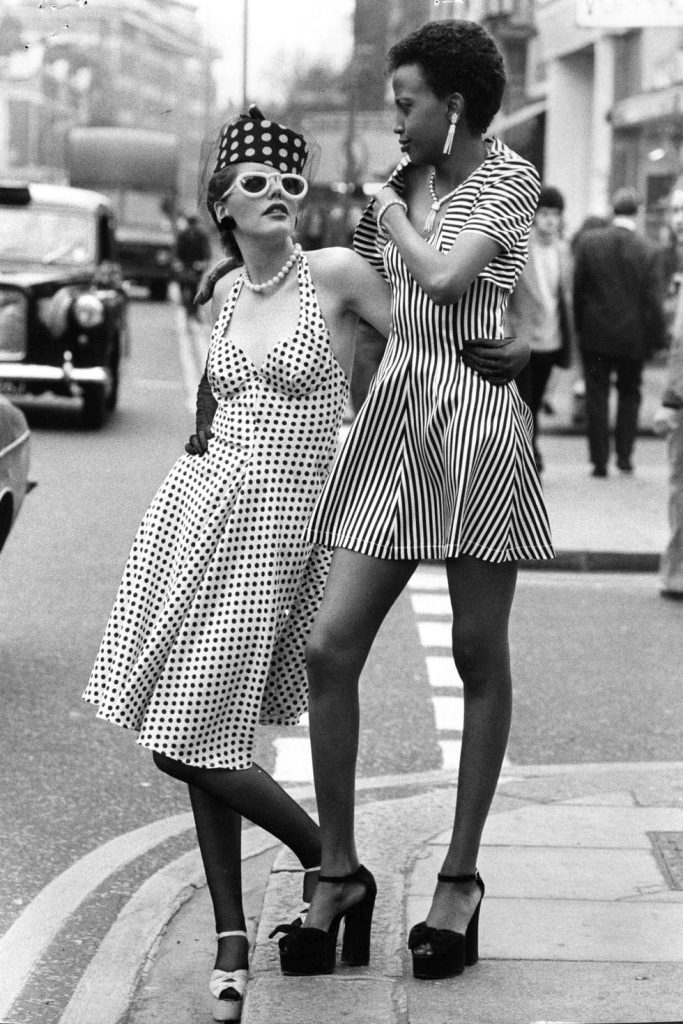
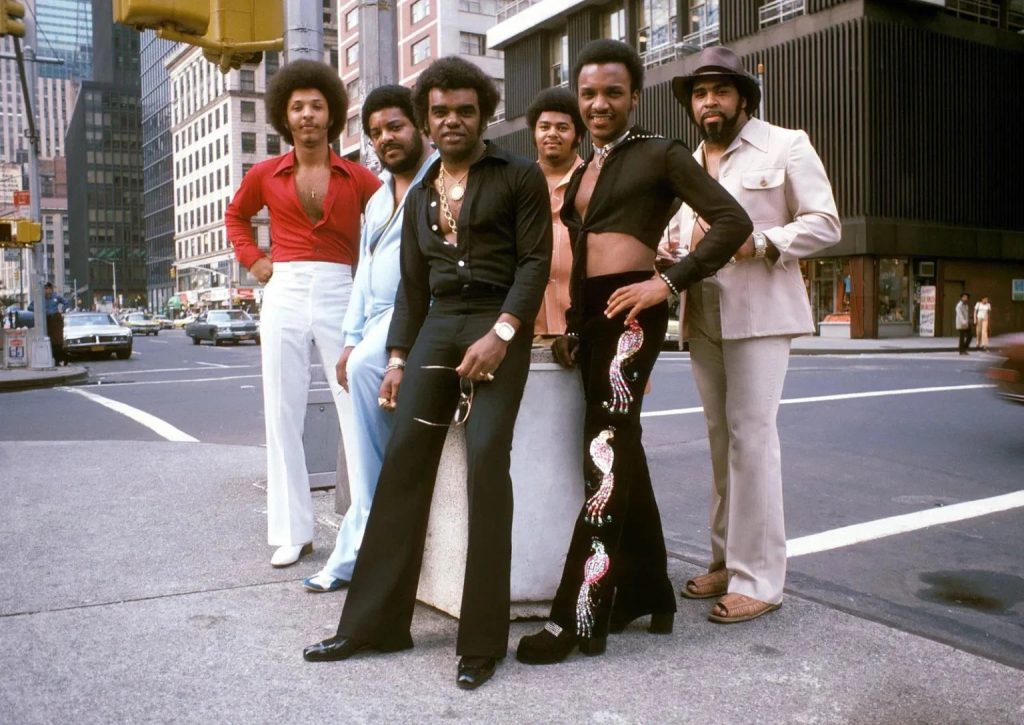
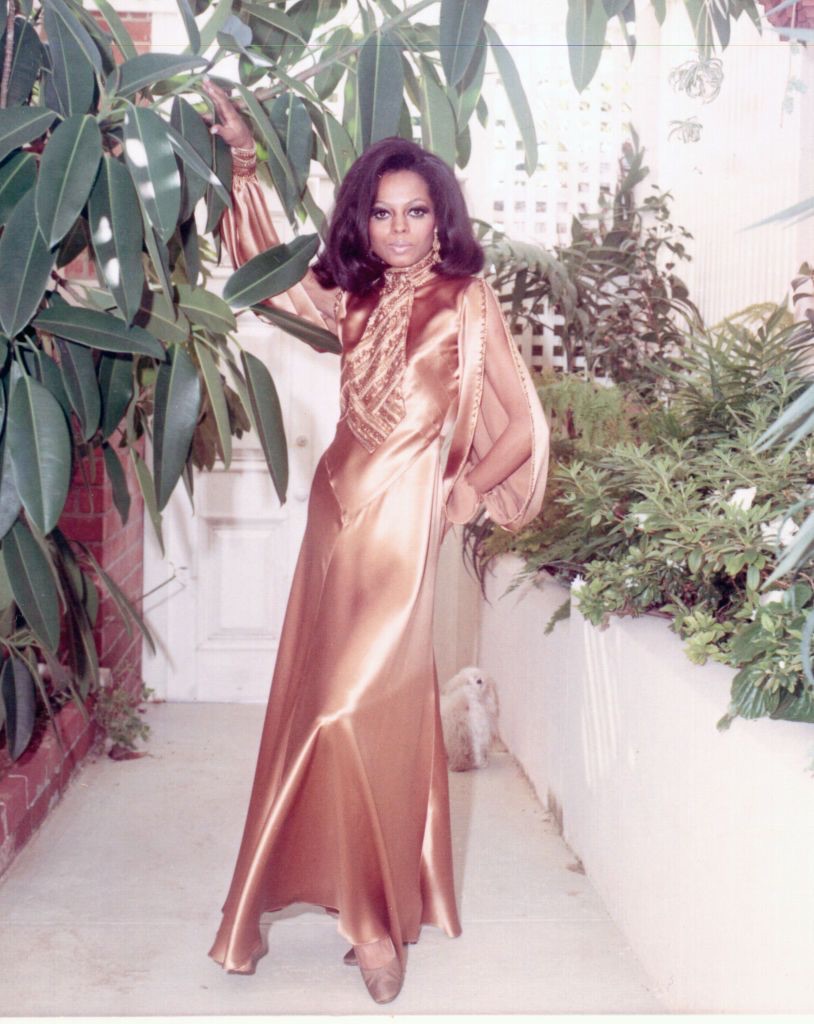
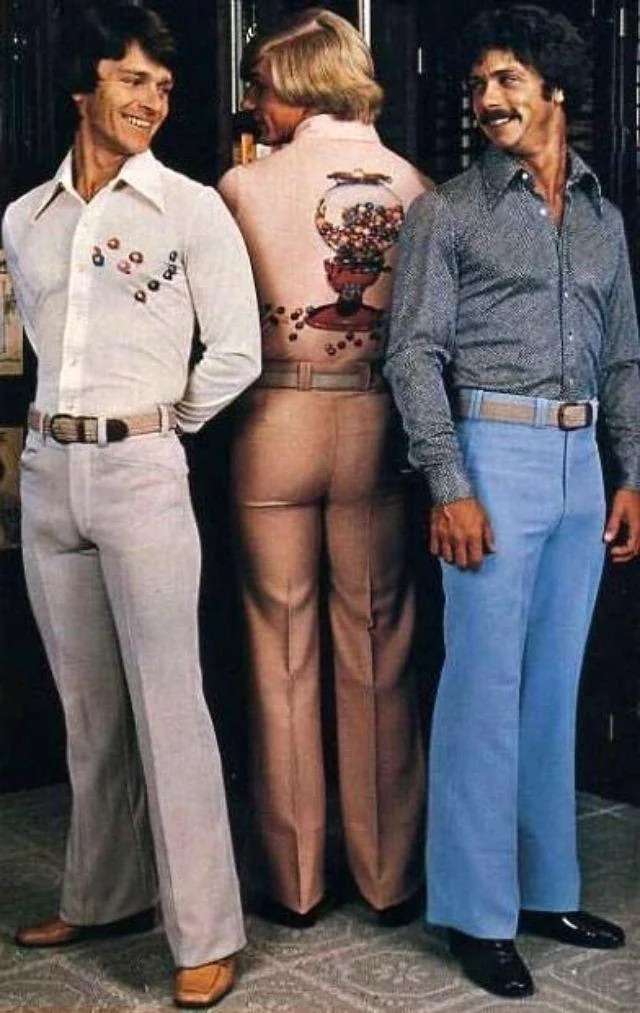
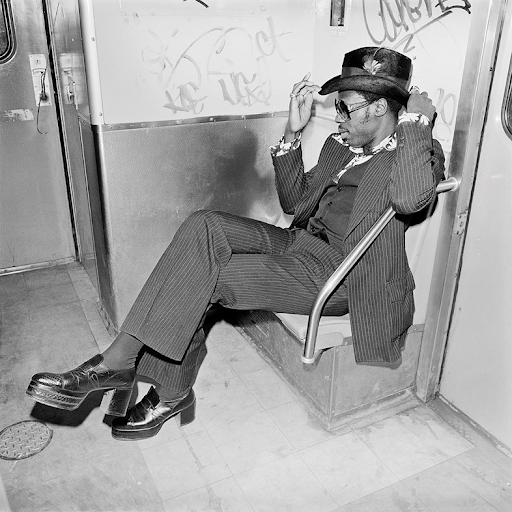
By the mid-to-late ’70s, disco culture took center stage. Nightclubs like Studio 54 became fashion runways in their own right. Sequined dresses, metallic fabrics, glittery jumpsuits, and platform shoes defined the look. Men embraced shiny shirts, flared trousers, and bold prints, while women went for slinky silhouettes that shimmered under the dance floor lights. The disco look was all about being noticed — dramatic, dazzling, and full of energy.
Androgyny and Bold Statements
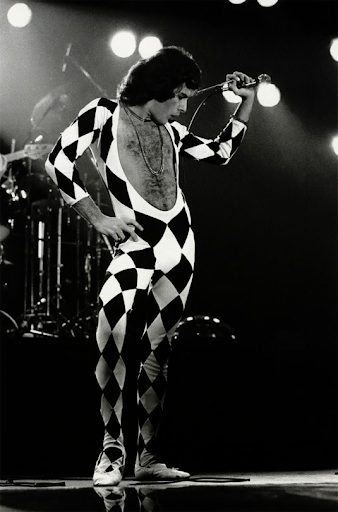
The 1970s also blurred gender lines in fashion. Icons like David Bowie and Marc Bolan embraced androgynous looks, mixing makeup, metallic fabrics, and flamboyant costumes that challenged traditional norms. This opened the door for more experimental styles and showed that fashion could be as much about identity as aesthetics.
Icons of the Decade
Fashion in the ’70s was defined by its stars. Bianca Jagger became a symbol of chic sophistication in her white suits and glamorous gowns. Farrah Fawcett’s feathered hair and casual California style influenced millions. Musicians such as The Rolling Stones, ABBA, and Cher brought rock-and-roll and disco fashion into mainstream culture.
A Lasting Legacy
The 1970s was not just about clothing; it was about freedom, expression, and breaking away from the strict rules of earlier decades. Today, many ’70s trends are still alive — from bohemian festival fashion inspired by Woodstock to the return of flared jeans and platform shoes on modern runways. Designers continue to draw inspiration from the boldness of the decade, proving that the 1970s was not just a moment in time but a lasting influence on global style.
The 70s were defined by the handful of countercultural movements. The younger generations were breaking free from the stiffer lifestyles and fashion expressions of their parents in the 50s and 60s.
Hippy, punk, and disco subcultures were gaining popularity. Fashion expression became a very common way that the youth were identifying with their ideals and groups.
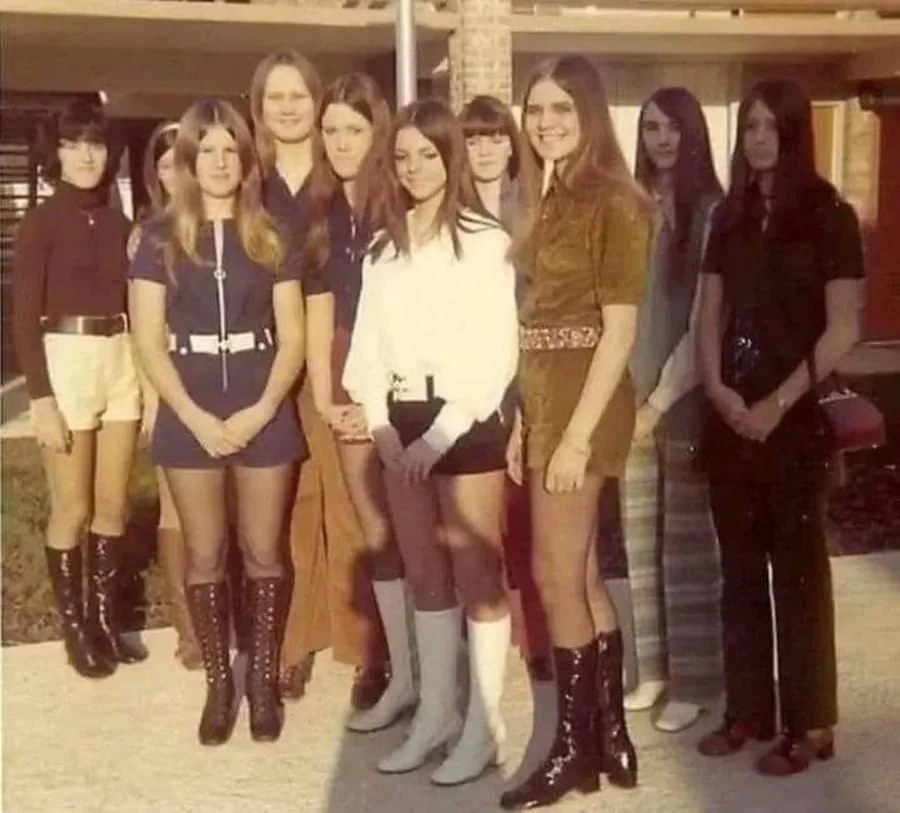
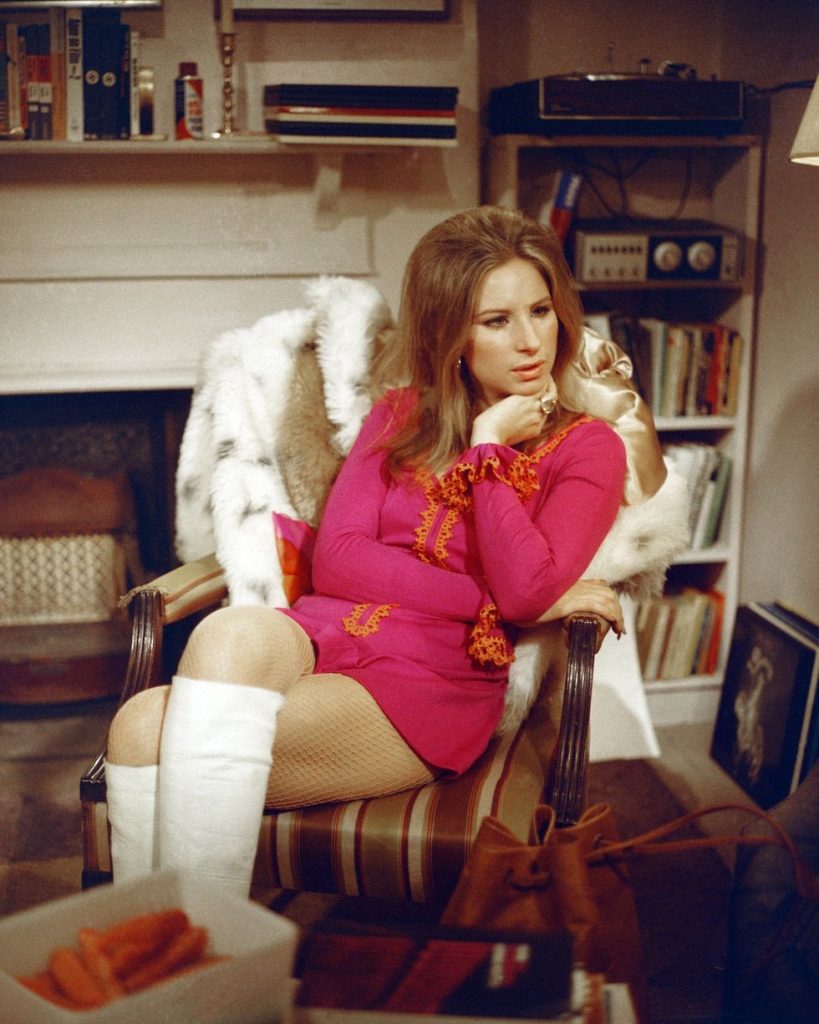
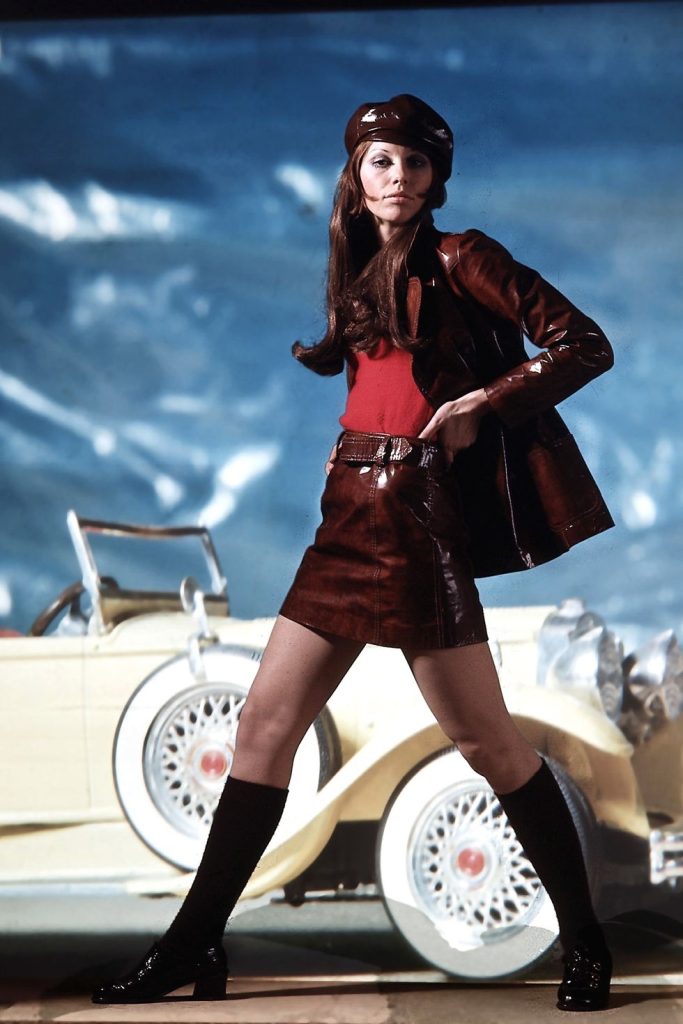
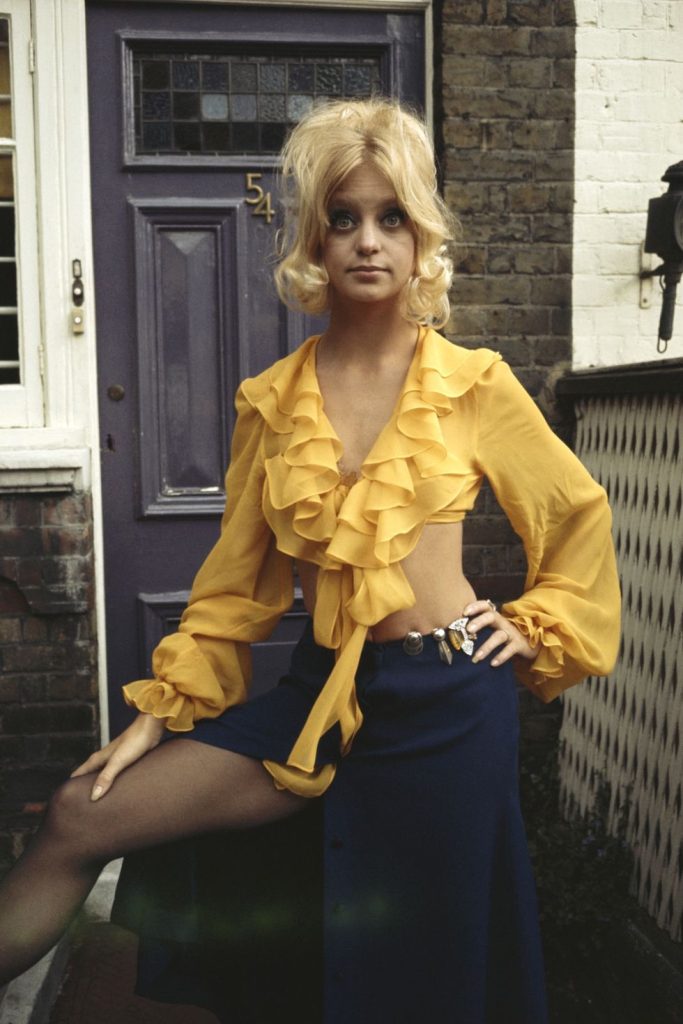
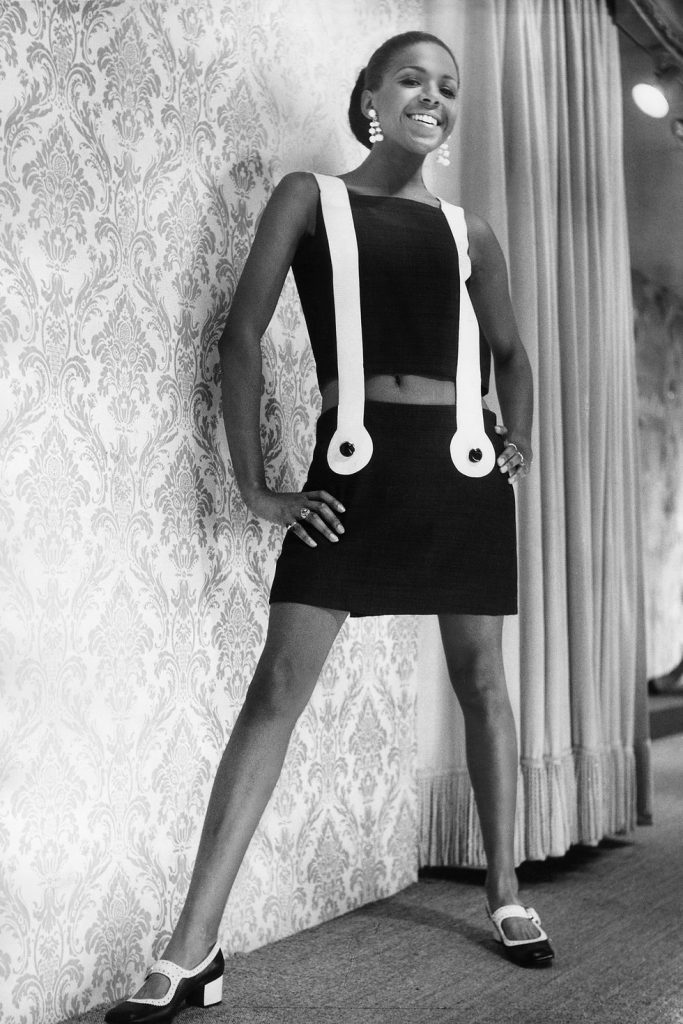
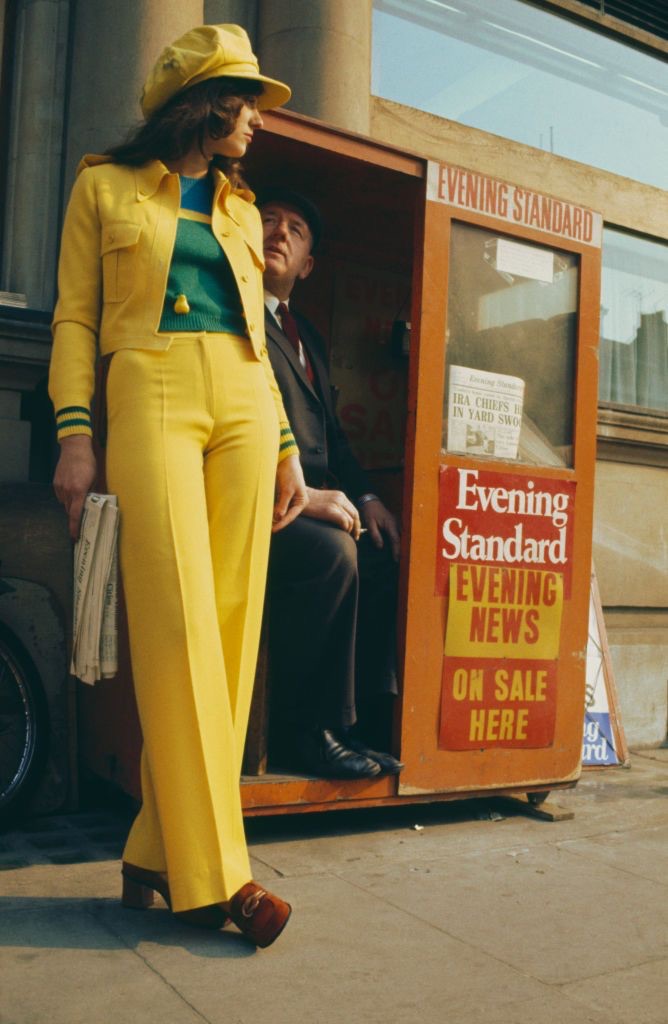
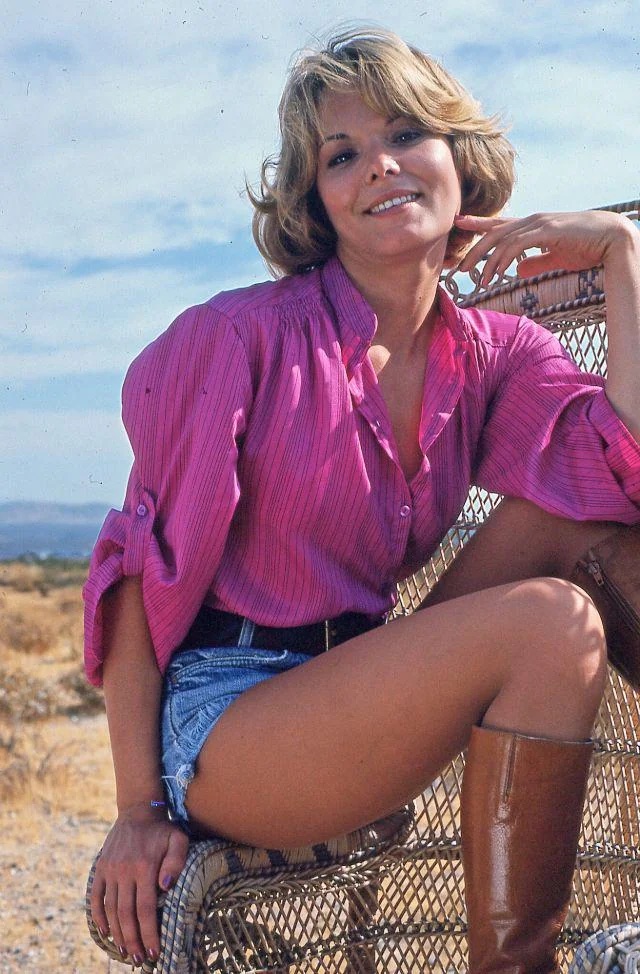
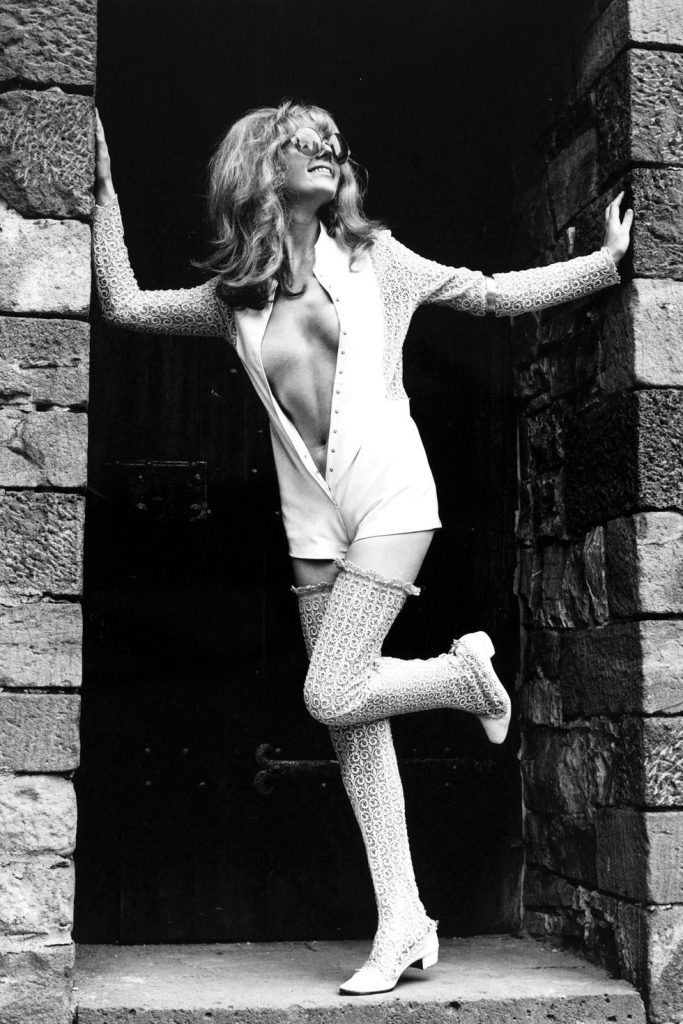
The 70s saw the rise of bell-bottom jeans, paisley patterns, hot pants, platform shoes, daisy chains and headbands, fringe, leather jackets, tie-dye, midi-skirts and knee length boots, bright colors, mod style, and bohemian chic.
70s styles have already started to make their rotation back into into popular culture and will probably continue to cycle in and out throughout the decades. 70s fashion has earned an iconic status in the collective memory and popular culture.
Let’s take a look at some of the most memorable and fashionable style trends of a legendary decade