When Classmates Banned Me from the Locker Room
From Locker Room Rejection to Finding Belonging in Fitness
Entering the boys’ changing room, sweaty and puffing, my heart was pounding.
Sure, I was exhausted from the PE class I’d just finished, but that wasn’t the real reason I felt trapped in fight-or-flight mode.
As I approached the showers, the same remark I had grown to expect landed like a punch: “Don’t let that bender in here!”
I was only 14, not even out as gay or non-binary yet, but those words cut deeper than I knew how to express. They shaped how I saw myself and left scars that kept me away from gyms and fitness spaces for more than a decade.
When I started middle school at 13, I was already struggling to fit in. A new environment, boys on the brink of puberty, and a culture of competition left me feeling isolated. I didn’t share their interests, and it didn’t take long before I became the easy target.
Every PE lesson followed the same painful routine. I wasn’t alone in this—I remember two other boys, one with a physical disability and another who was painfully shy, who were also told to change in the corner. But my treatment went a step further. If I even attempted to join the showers, the “popular” boys would snap their towels, whip me away, and make it clear I didn’t belong.
That rejection seeped into every corner of my experience. I wasn’t just excluded from the showers; I was excluded from the game. On the pitch, I’d be put in goal or not picked at all. The message was constant: you don’t belong here.
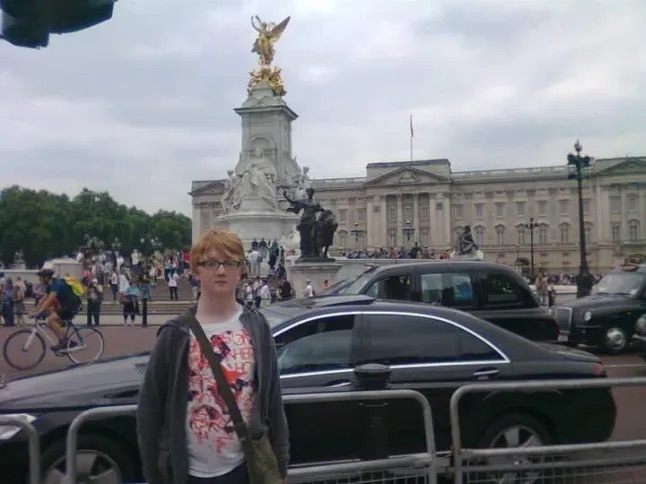
The fallout lasted years. I avoided gyms entirely. I couldn’t even step into shops that sold activewear without feeling shame. My relationship with food became tangled up in my fear of exercise—I monitored what I ate, terrified of gaining weight, desperate to remain “healthy” without ever having to enter those hostile spaces again.
It wasn’t until the pandemic that things began to shift. Alone, away from the gaze of potential bullies, I found movement on my own terms—walking, stretching, working out in the park. For the first time, I felt that exercise could be joyful and accessible. That realisation became the bridge I needed to imagine a healthier relationship with fitness.
By 25, I had finally worked up the courage to join a gym. But even then, the memories of school changing rooms haunted me. Surrounded by groups of younger men, I felt echoes of the same energy I had endured as a teenager. I didn’t experience direct homophobia or transphobia, but I didn’t feel free either. There were no gender-neutral spaces besides the disabled bathroom, and every trip left me more anxious.
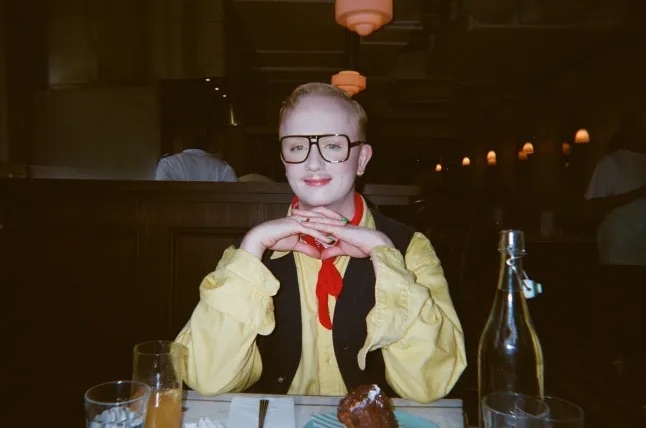
Now at 28, I’ve found a different kind of space—smaller, more personal, where community is at the heart of everything. The gym I go to today feels safe because it’s designed to be inclusive. From the very first tour, I noticed gender-neutral facilities, a variety of body types and ages represented, and a focus on treating everyone as an individual rather than just another customer.
For the first time, I felt comfortable enough to bring my whole self into a fitness environment. I even emailed the gym to let them know that I am non-binary and use they/them pronouns, asking if they could pass this on to the trainers. Hitting send was terrifying, but the reply was immediate and compassionate: “You are most welcome here. We’ll let the team know so you feel comfortable.”
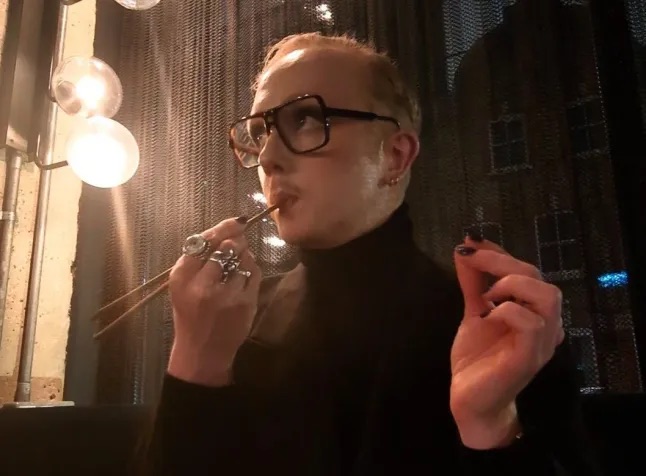
It was such a simple response, but it changed everything. I felt acknowledged. Seen. Safe.
Looking back, the journey from being pushed out of the locker room to finding a space where I am fully accepted has been long and painful, but also healing. Fitness no longer feels like a battlefield. It feels like community, strength, and self-expression.
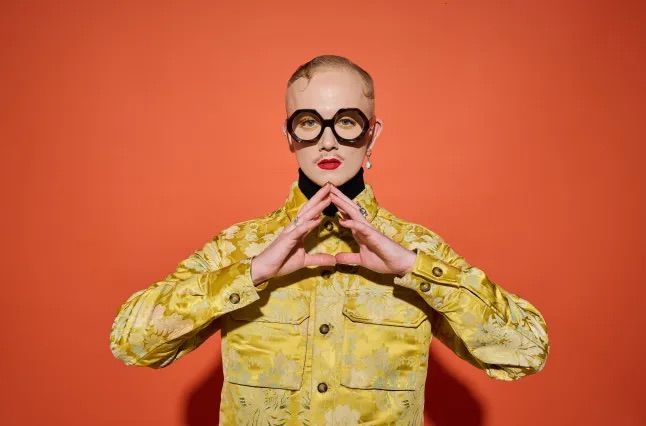
The scars from my teenage years remain, but now they remind me of how far I’ve come—and how important it is to create spaces where no one is told they don’t belong.