Following the Death of Pope Francis, Here’s How the Next Pope Will Be Chosen

Vatican City, April 22, 2025 — With the passing of Pope Francis, the Catholic Church now enters a period of mourning — and transition. As the world grieves the loss of the first Jesuit and Latin American pope, attention turns to the Vatican, where preparations are already underway for the election of the next leader of the world’s 1.3 billion Catholics.
The Period of Sede Vacante Begins
The death of a pope triggers a period known as “sede vacante” — Latin for “the seat being vacant.” During this time, the usual functions of the papacy are suspended, and the governance of the Church is temporarily handed over to the College of Cardinals, the body of senior church officials responsible for electing a new pope.
Enter the Conclave: A Tradition of Secrecy and Spirituality
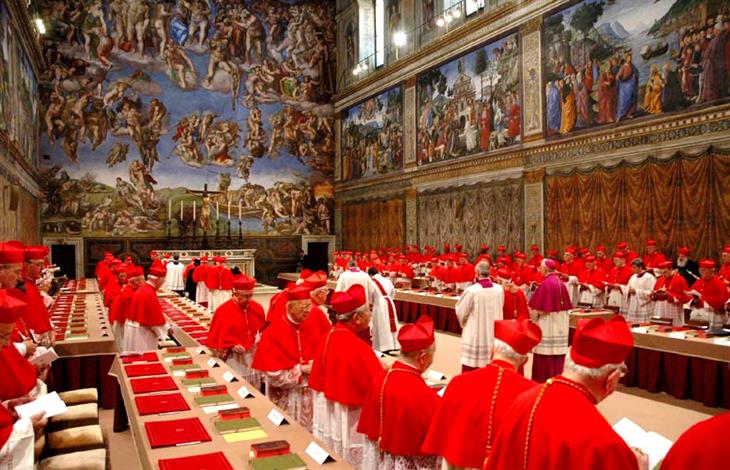
The core of the selection process is the conclave, a secret meeting of all cardinals under the age of 80, who will gather in the Sistine Chapel to cast their votes. The word “conclave” itself means “with a key,” referencing the traditional seclusion of the cardinals from the outside world during the election.
All cardinals eligible to vote — currently 123 — will travel to Rome in the coming days. Prior to the conclave, they’ll meet in daily General Congregations, where they reflect on the needs of the Church, share perspectives, and informally discuss potential candidates.
How Voting Works
The voting process is deeply rooted in tradition and ritual. During the conclave, cardinals vote by secret ballot up to four times per day — two in the morning, two in the afternoon. A successful election requires a two-thirds majority.
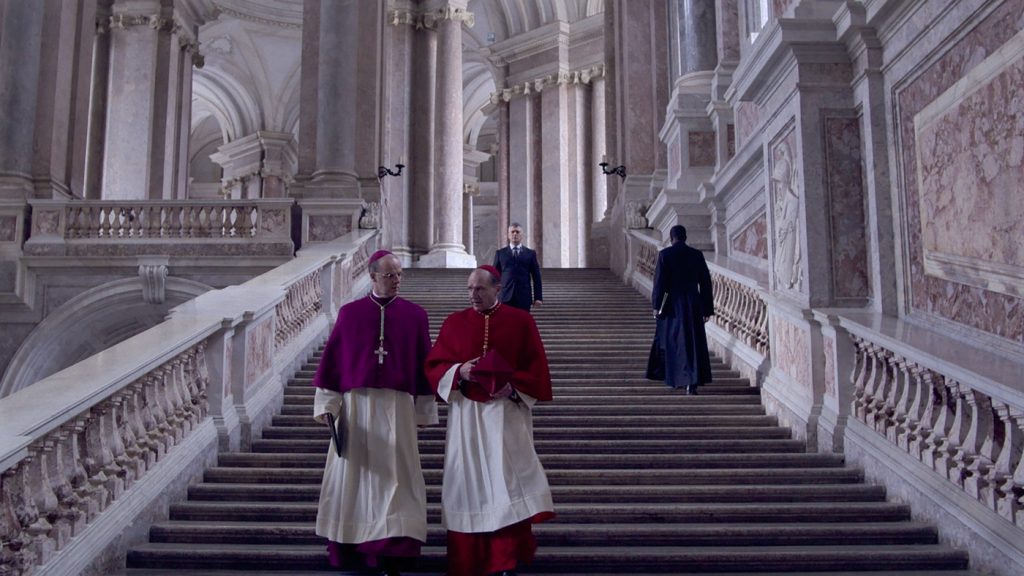
After each vote, the ballots are burned in a special stove. Chemicals are added to the paper to produce smoke signals seen by the public from the Sistine Chapel chimney:
- Black smoke means no decision has been reached.
- White smoke signals that a new pope has been elected.
Once a cardinal secures the necessary votes, he is asked: “Do you accept your canonical election as Supreme Pontiff?” Upon acceptance, he chooses a papal name and is quickly vested in papal white garments.
The Moment of Habemus Papam
Shortly after the election, the senior cardinal deacon steps out onto the central balcony of St. Peter’s Basilica and declares: “Habemus Papam!” — “We have a pope!”
The new pontiff then appears before the crowd in St. Peter’s Square to offer his first blessing, Urbi et Orbi (“to the city and to the world”).
Who Will Lead the Church Next?
Speculation about the identity of the next pope has already begun. Some analysts suggest a push toward continuity with Pope Francis’s legacy of humility, reform, and global outreach, while others believe the cardinals may seek a leader with a different style or regional background.
Regardless of who is chosen, the process will be steeped in centuries-old tradition — but also marked by the modern realities facing today’s Catholic Church.










Post Comment