47 Years Ago: Remembering the Blizzard of ’78
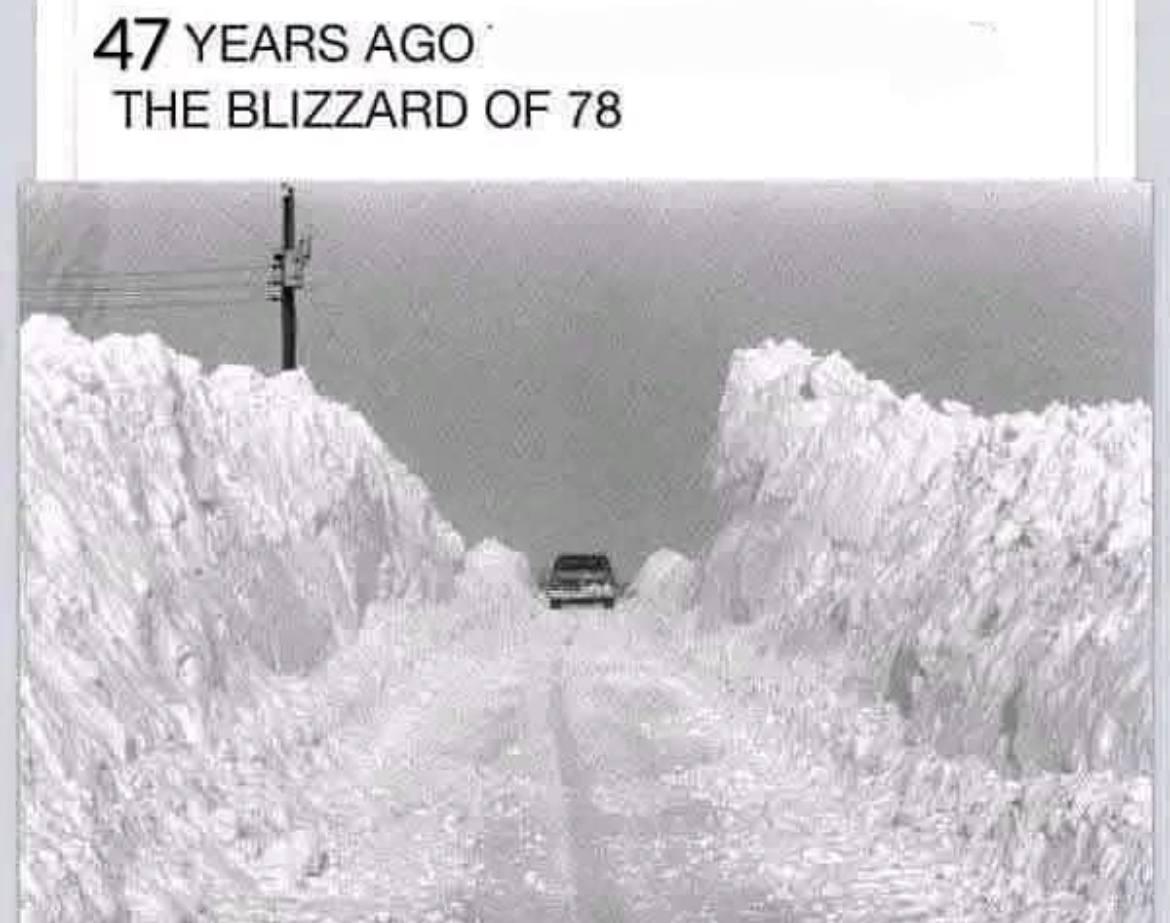
The image above, showing a car dwarfed by towering walls of snow, is a powerful reminder of one of the most infamous winter storms in American history — the Blizzard of 1978. With a simple caption, “47 Years Ago — The Blizzard of ’78,” it calls back to a time when Mother Nature brought the Midwest and Northeast United States to a standstill.
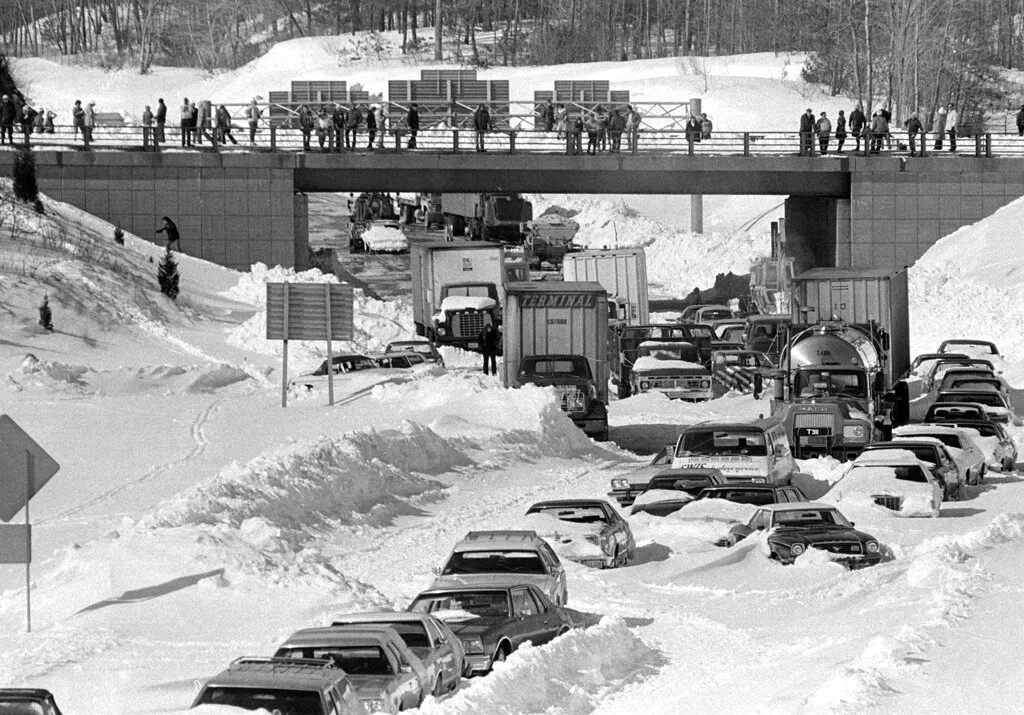
A Storm for the Ages
The Blizzard of 1978 struck in late January and early February, unleashing its fury between January 25–27 across the Midwest, and February 6–7 in the Northeast. While there were technically two separate storms — one in the Midwest and one in the Northeast — both were record-breaking in intensity, snowfall, and societal impact.
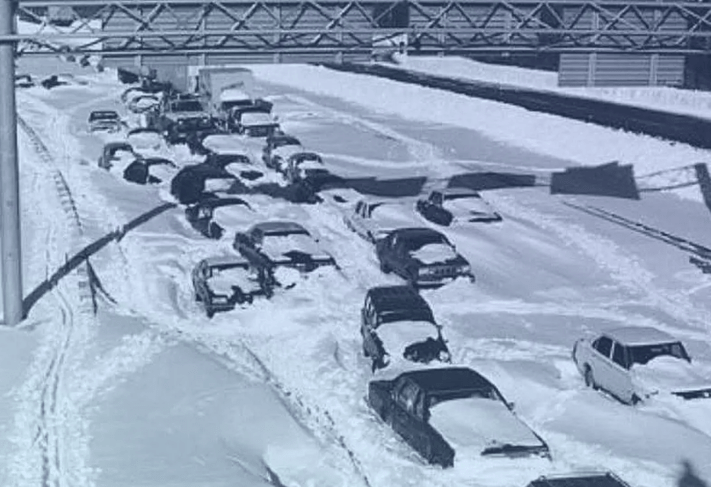
In areas like Massachusetts and Rhode Island, snow fell at rates of 2–4 inches per hour, ultimately piling up to 27 inches in Boston, and over 40 inches in parts of Rhode Island. Meanwhile, in states like Ohio and Michigan, winds gusted over 70 mph and caused massive snowdrifts — as seen in the image — burying cars, homes, and roads under walls of snow up to 20 feet high.
Paralyzing Impact
What made this storm so devastating wasn’t just the snow, but its sudden onset and the fact that it coincided with rush hour. Thousands of motorists were stranded on highways. Entire cities lost power. Emergency services were overwhelmed, and supplies ran low. Over 100 people lost their lives due to the storm and its aftermath.
Governors declared states of emergency, the National Guard was deployed, and in many towns and cities, residents were forced to rely on neighbors and community volunteers for survival.
A Lesson in Preparedness
The Blizzard of ’78 is remembered not only for its ferocity but for how it reshaped emergency response planning and winter weather preparedness. Many communities updated infrastructure, implemented early-warning systems, and reinforced disaster protocols to avoid such massive disruptions in the future.
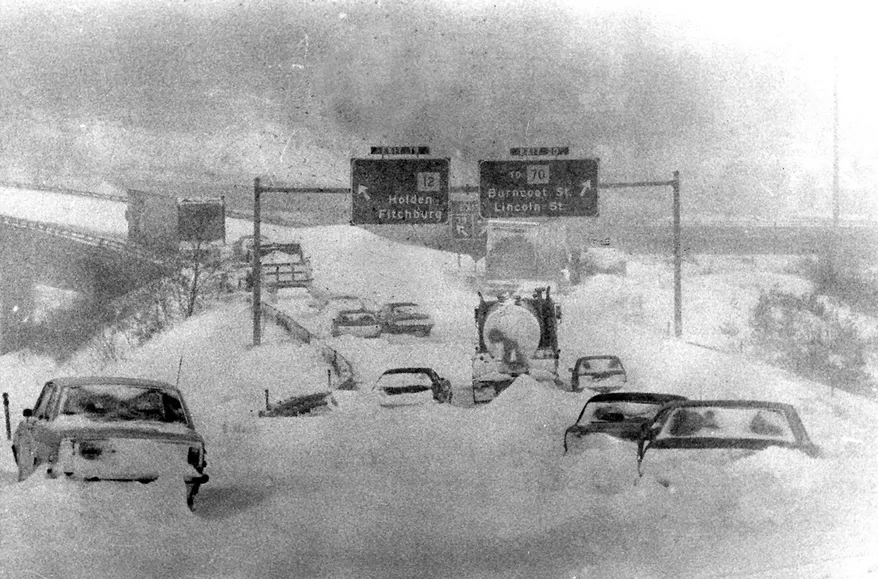
A Memory Etched in Snow
For those who lived through it, the Blizzard of ’78 was a defining moment. It’s often spoken of with a mix of awe and disbelief — stories of walking on second-story rooftops to leave the house, or of towns becoming so quiet and white that the world felt frozen in time.
Even decades later, black-and-white photographs like the one shown here still capture the scale and surreal nature of the storm. In many parts of the U.S., the Blizzard of ’78 remains the benchmark against which all other storms are measured.










Post Comment