Kenny Loggins slams Donald Trump for using “Danger Zone” in an AI video where Trump bombs No Kings protestors with feces: “I request that my recording on this video is removed immediately.”
“I can’t imagine why anybody would want their music used or associated with something created with the sole purpose of dividing us. Too many people are trying to tear us apart, and we need to find new ways to come together. We’re all Americans, and we’re all patriotic. There is no ‘us and them’ — that’s not who we are, nor is it what we should be. It’s all of us. We’re in this together, and it is my hope that we can embrace music as a way of celebrating and uniting each and every one of us.”
🎸 “I can’t imagine why anybody would want their music used or associated with something created with the sole purpose of dividing us.”
— Kenny Loggins
A Political AI Video Sparks a Musical Backlash
Legendary musician Kenny Loggins, best known for his 1986 hit “Danger Zone” from Top Gun, has publicly condemned former President Donald Trump after his classic track was used in a shocking AI-generated video that went viral over the weekend.
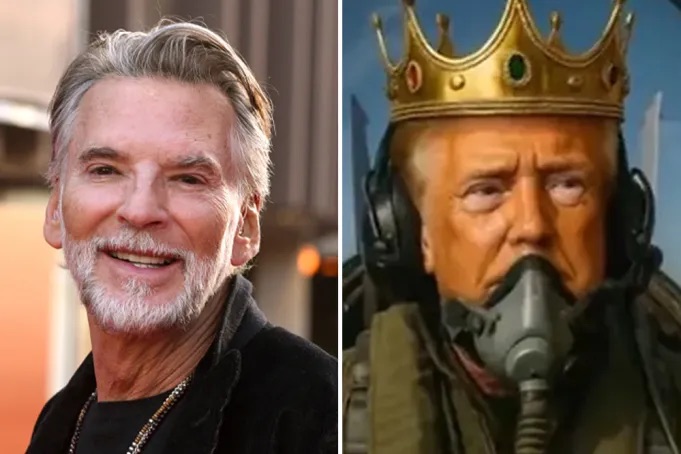
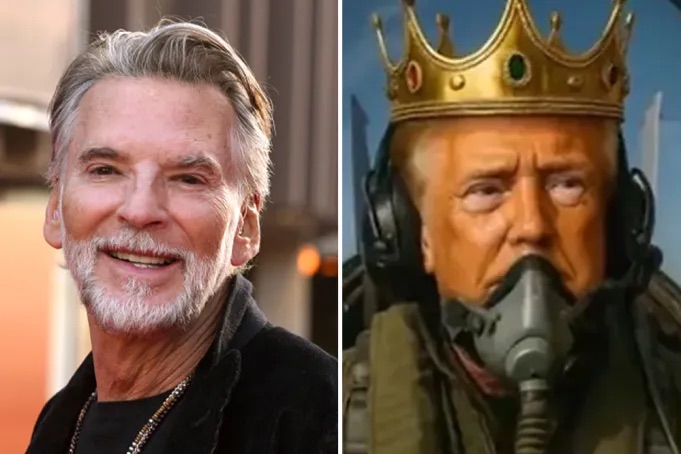
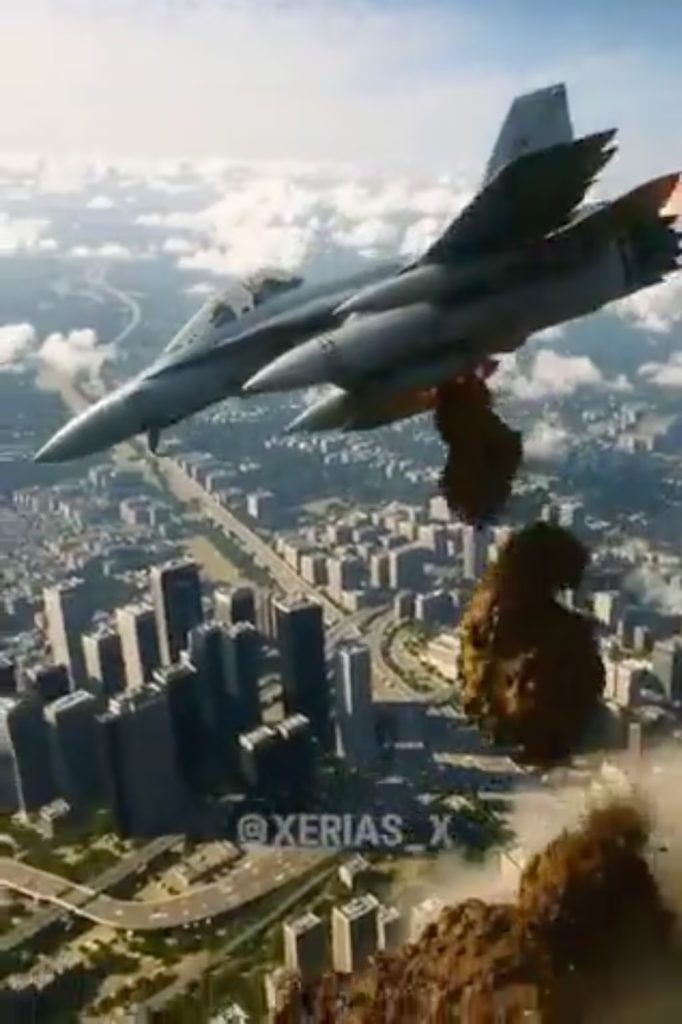
The video — posted on Trump’s social media platform — depicts a crown-wearing, jet-flying version of Trump dropping brown sludge resembling feces onto crowds of No Kings protesters. The AI-generated clip is widely interpreted as a mockery of the massive “No Kings” demonstrations that took place nationwide this weekend, where millions rallied against authoritarianism and political division.
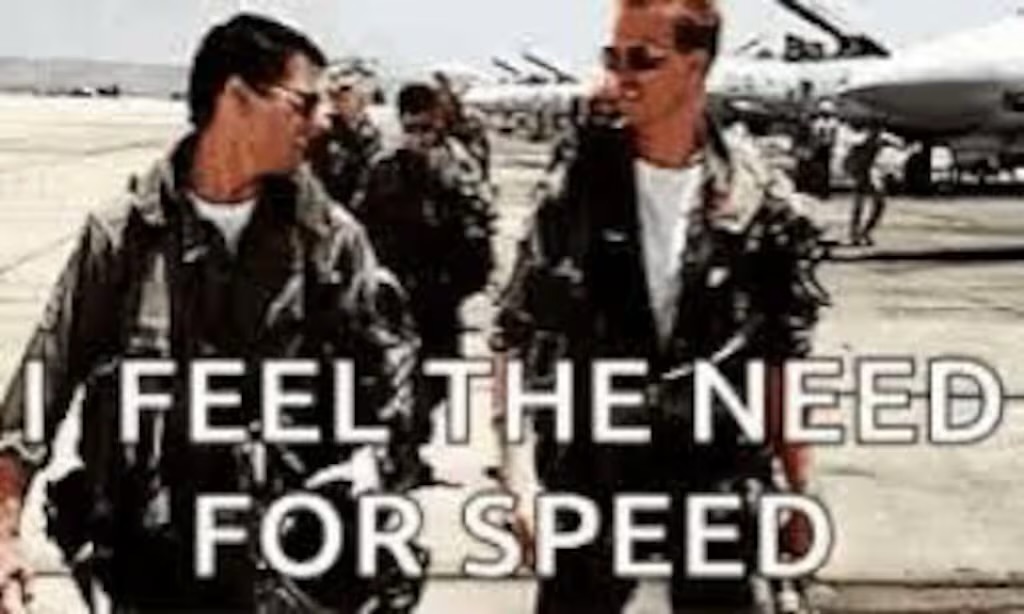
At the center of the controversy: the video’s soundtrack. Trump’s AI clip blasts Loggins’s “Danger Zone” as the aircraft swoops down — turning an American rock anthem into a political weapon.
Kenny Loggins Responds: “Remove My Recording Immediately”
Loggins wasted no time releasing a statement condemning the video and demanding that his performance be removed.
“This is an unauthorized use of my performance of ‘Danger Zone.’ Nobody asked me for my permission, which I would have denied, and I request that my recording on this video is removed immediately,” the singer said in a statement to multiple outlets.
He continued with a powerful message about unity over division:
“I can’t imagine why anybody would want their music used or associated with something created with the sole purpose of dividing us. Too many people are trying to tear us apart, and we need to find new ways to come together. We’re all Americans, and we’re all patriotic. There is no ‘us and them’ — that’s not who we are, nor is it what we should be. It’s all of us. We’re in this together, and it is my hope that we can embrace music as a way of celebrating and uniting each and every one of us.”
The “No Kings” Protests and the AI Video
The “No Kings” movement has become one of the largest protest campaigns of the year, with participants calling for checks on concentrated political power. The movement’s slogan — “No Kings in America” — has resonated across cities and college campuses.
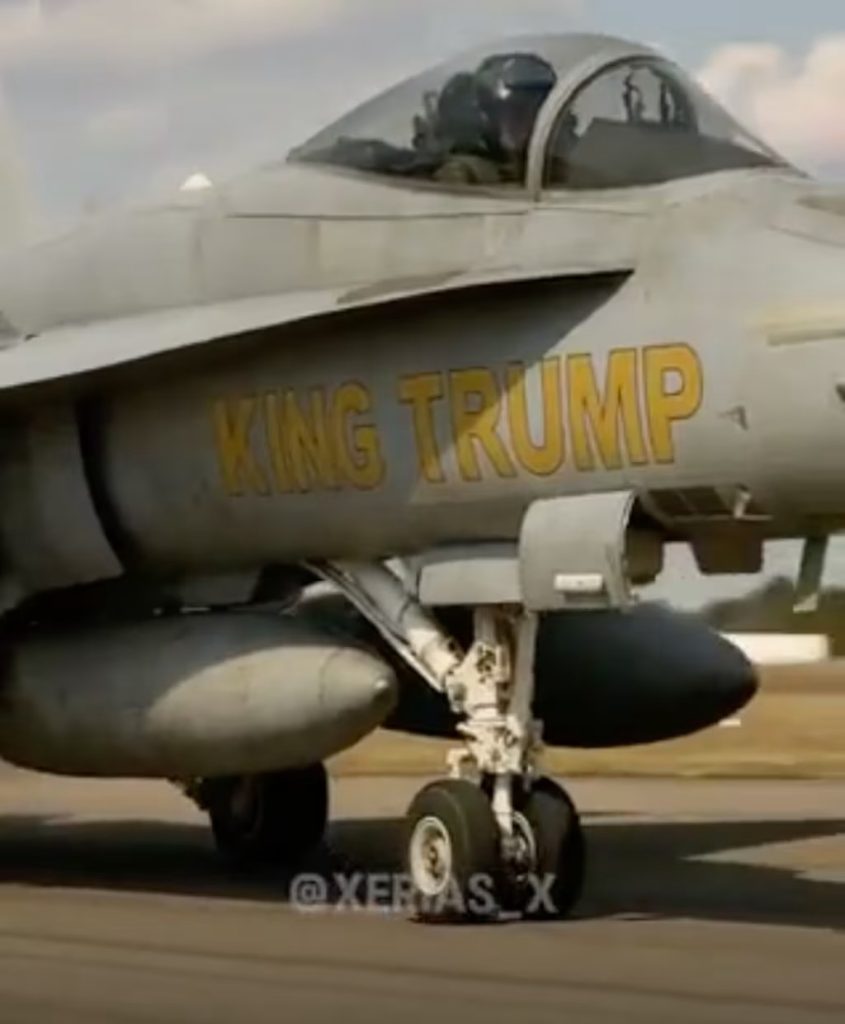
Trump’s reposted video, according to reports from Axios and The Guardian, shows a surreal, digitally generated world where “King Trump” flies a military jet labeled with his name, dropping sludge bombs on the demonstrators below.
Critics immediately slammed the post as “vile,” “juvenile,” and “deeply un-presidential,” while supporters defended it as political satire.
Regardless, Loggins’s reaction has added a serious copyright and ethical dimension to what might otherwise have been dismissed as a meme.
Copyright Meets Artificial Intelligence
Beyond the political storm lies a deeper legal question: Who owns what in the age of AI-generated content?
“Danger Zone” remains one of the most recognizable songs in American pop culture. Its use without permission — especially in a politically charged, AI-crafted video — could raise serious copyright issues.
Legal experts told Billboard and TMZ that even though parody and political commentary enjoy some protection under U.S. law, using a full, copyrighted song in a monetized or partisan context is risky. Loggins is reportedly exploring legal options to have the video taken down.
A Clash of Symbols
Few songs capture American adrenaline like “Danger Zone.” Immortalized in Top Gun, it embodies flight, courage, and competition.
To pair that song with an image of a jet bombing protesters with feces turns its meaning on its head — from bold freedom to mockery and division.
That inversion, Loggins said, was exactly what he found unacceptable:
“Music should unite us, not divide us.”
The Bigger Picture: AI, Politics, and Culture
This controversy is the latest in a series of high-profile incidents where AI has blurred the lines between creativity, parody, and propaganda.
In recent months, several public figures have shared or created AI-generated videos and songs featuring real artists or celebrities without consent. Critics warn that such practices not only disrespect creators but can also spread misinformation or deepen social divides.
The No Kings incident is a perfect storm of all three — technology, culture, and politics colliding in real time.
What Happens Next?
Loggins’s team has requested that the video be removed from all platforms. Legal experts are watching closely for potential copyright or defamation claims. AI regulation advocates say the controversy underscores the need for clear boundaries on political deepfakes. Protest organizers behind No Kings have said the video “proves the exact point” of their demonstration — that power, mocked or not, should never be absolute.
As of publication, Trump’s team has not responded to Loggins’s statement.
Final Thoughts
Kenny Loggins’s stand goes beyond a simple copyright dispute. It’s a reminder that music carries emotional and cultural power — and when misused, that power can wound rather than inspire.
Whether or not legal action follows, one thing is clear: in 2025’s chaotic intersection of AI, art, and politics, the “Danger Zone” has never felt more real.