From Spotlight to Silence: The Rise and Fall of TV’s Sweetheart
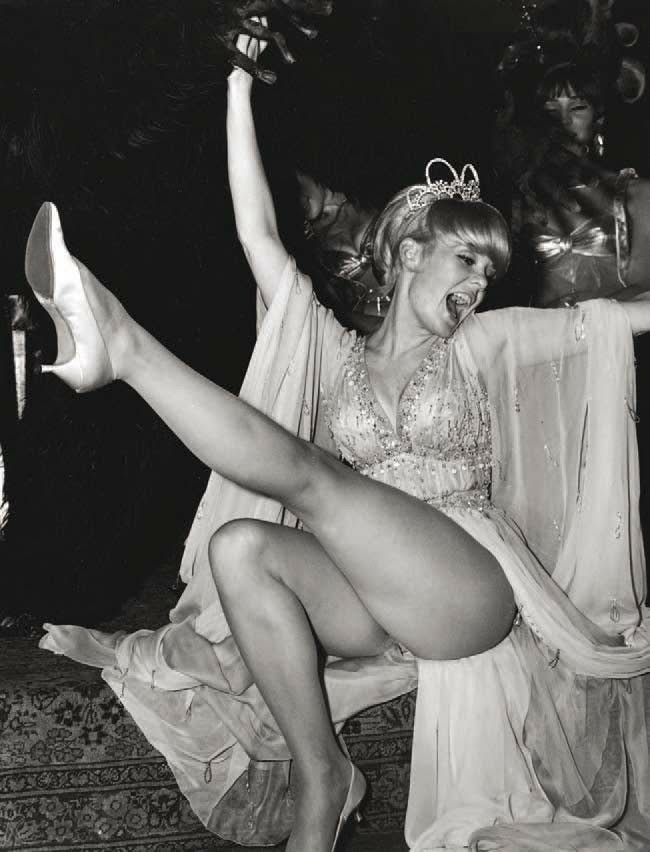
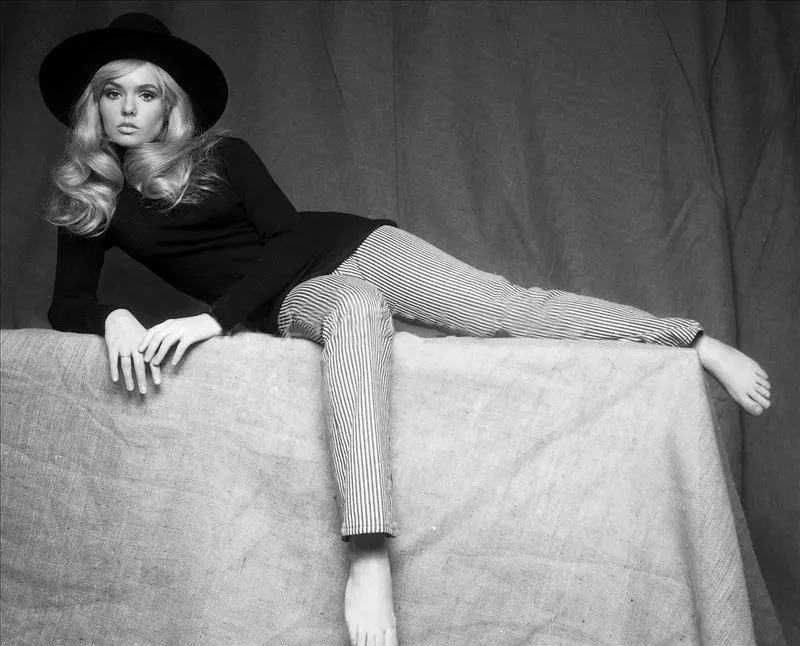
A spotlight flickered, the velvet curtain rose, and a young performer emerged—full of promise, rhythm, and radiance. This was Joey Heatherton, stepping into the world that would define her life: entertainment. Born Davenie Johanna Heatherton on September 14, 1944, in Rockville Centre, Long Island, New York, she grew up surrounded by the glamour and ambition of show business.
Her father, Ray Heatherton, was a well-known television pioneer and musical theatre performer who gave his daughter both inspiration and guidance. From a young age, Joey was steeped in the discipline and excitement of performance, inheriting her father’s passion for the stage and transforming it into something uniquely her own.
Her early years were marked by relentless training and dedication. Joey studied ballet and dance from childhood, cultivating the poise and control that would later make her a mesmerizing performer. By her mid-teens, she was already working in professional theatre. At around fifteen, she earned a spot as an understudy in the original Broadway production of The Sound of Music, signaling the start of what promised to be a bright career.
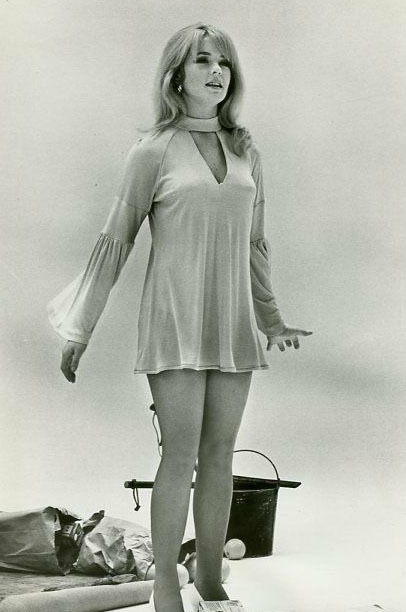
Her first taste of national fame came soon after, when she joined The Perry Como Show, later known as Perry Como’s Kraft Music Hall. There, she portrayed a lovestruck teenager smitten with Como himself, a role that captured the public’s affection and revealed her natural charm.
Throughout the early 1960s, Joey’s career continued to gather momentum. She began making guest appearances on television dramas such as Route 66 and Mr. Novak, showing that her range extended well beyond light-hearted song and dance routines. Producers recognized her potential not only as a performer but also as an actress who could adapt to different moods and genres.
By combining beauty, energy, and skill, Joey carved out a place for herself in a competitive industry that demanded constant reinvention.It was during the mid-1960s, however, that she truly broke through. Her dazzling dance performances became her signature—captivating audiences across America. On The Tonight Show, she famously taught Johnny Carson how to do the “Frug,” an upbeat, swinging dance of the era
In January 1965, she appeared on the premiere episode of Hullabaloo, a lively teen-dance program, and even recorded a song of the same name for Coral Records. Her name was now synonymous with movement and rhythm, and she soon became a regular guest on major variety programs including The Dean Martin Show,The Ed Sullivan Show,The Andy Williams Show, and The Hollywood Palace.
From 1965 to 1977, she joined Bob Hope’s USO tours, performing for American troops overseas and appearing on his televised specials. These tours not only showcased her patriotism but also demonstrated her ability to connect with live audiences in challenging environments. At the same time, she ventured into film, appearing in Twilight of Honor (1963), Where Love Has Gone(1964), and My Blood Runs Cold (1965), proving she could transition smoothly between television, music, and cinema.
By the early 1970s, Joey expanded her artistic reach into music. In 1972, she released The Joey Heatherton Album through MGM Records. The lead single, a soulful rendition of Ferlin Husky’s “Gone,” became a hit, climbing to number 24 on the Billboard Hot 100 and remaining on the charts for fifteen weeks. The album itself reached number 154 on the Billboard 200.
Critics praised her range and control, with Billboard describing her live performance at New York’s Waldorf-Astoria as powerful and commanding. These years marked her professional zenith—she embodied the glamour of Las Vegas stages, the sophistication of network television, and the allure of pop stardom.By the mid-1970s, Joey Heatherton was a household name, recognized as a glamorous and versatile entertainer who could sing, act, and dance with equal skill.
She was also considered one of the era’s great sex symbols, with her striking looks and bold stage presence making her a favorite of photographers and television audiences alike. In 1975, she co-starred with her father in the CBS summer variety series Joey & Dad, which aired for four weeks as a replacement for The Cher Show.Behind the glamour, however, her personal life was far less serene.
In 1969, she had married former NFL wide receiver Lance Rentzel. Their union seemed promising at first, but it was soon overshadowed by scandal when Rentzel was arrested in 1970 for indecent exposure involving a ten-year-old girl. He pleaded guilty, and Joey filed for divorce soon after. The ordeal deeply affected her emotionally and marked the beginning of a decline in her public image.
As the entertainment industry shifted in the late 1970s and early 1980s, the variety-show format that had made Joey famous began to fade. Audiences were turning toward new styles of programming, leaving behind the golden age of televised song and dance. Her roles became fewer and less prominent. In 1977, she starred as Xaviera Hollander in The Happy Hooker Goes to Washington, but the film failed critically and commercially.
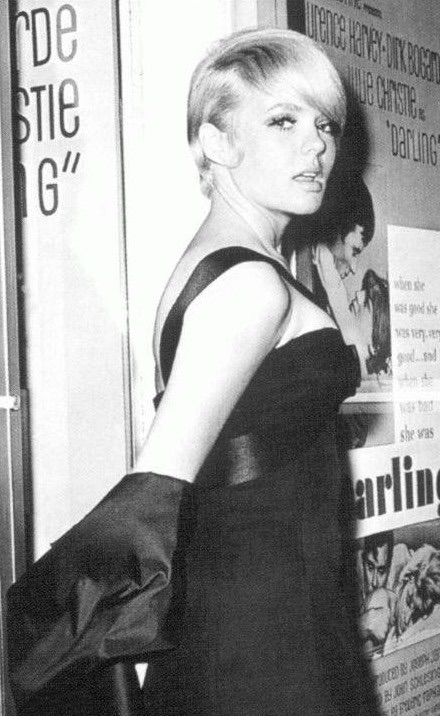
Her appearance in John Waters’ Cry-Baby in 1990 was one of her few later credits.Joey’s later years were clouded by controversy and personal struggles. In 1985, she was arrested for slapping a clerk at a U.S. Passport Agency office in New York, and in 1986, she was charged with assault and drug possession after an altercation with a former boyfriend and manager. She publicly denied having a drug problem, insisting she was not an addict, but the incidents drew widespread tabloid attention.