The Greatest Movie of Every Year of the 1960s
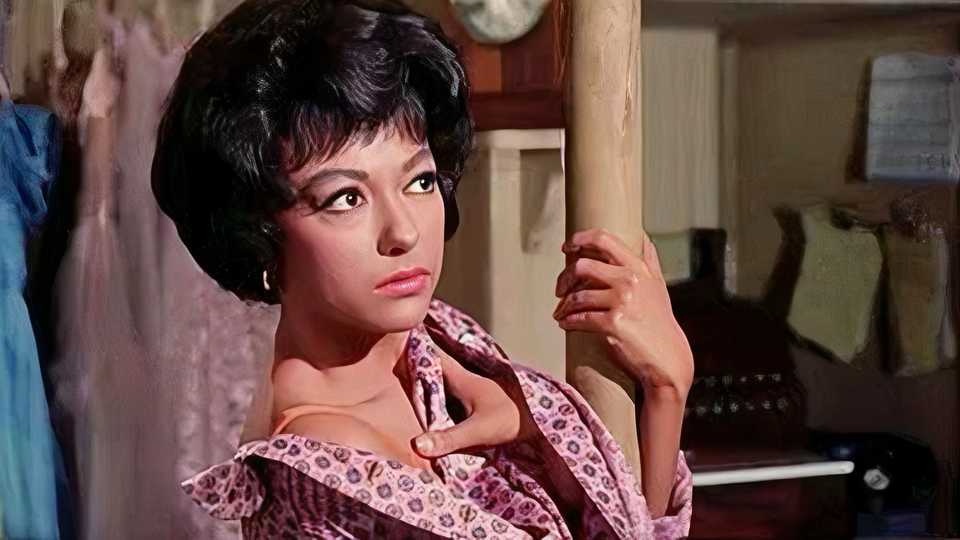
The 1960s sparked a significant shift in American culture that ultimately influenced the movie industry, ushering in a collection of experimental and risk-taking films. The revolutionary decade introduced movie-goers to an array of transcendent classics, including 2001: A Space Odyssey and Alfred Hitchcock’s Psycho, as well as iconic hits like In the Heat of the Night, West Side Story, and To Kill a Mockingbird that sparked crucial social narratives among audiences
Although the 1960s marked the release of some of the most profound films of all time, there are still certain titles, such as Dr. Strangelove or: How I Learned to Stop Worrying and Love the Bomb, Sergio Leone’s The Good, the Bad, and the Ugly, and The Great Escape, that stood out from other films released the same year. From The Master of Suspense’s signature thriller, Psycho, to the essential buddy Western, Butch Cassidy and the Sundance Kid, starring Robert Redford and Paul Newman, these are the best movies of every year of the 1960s.
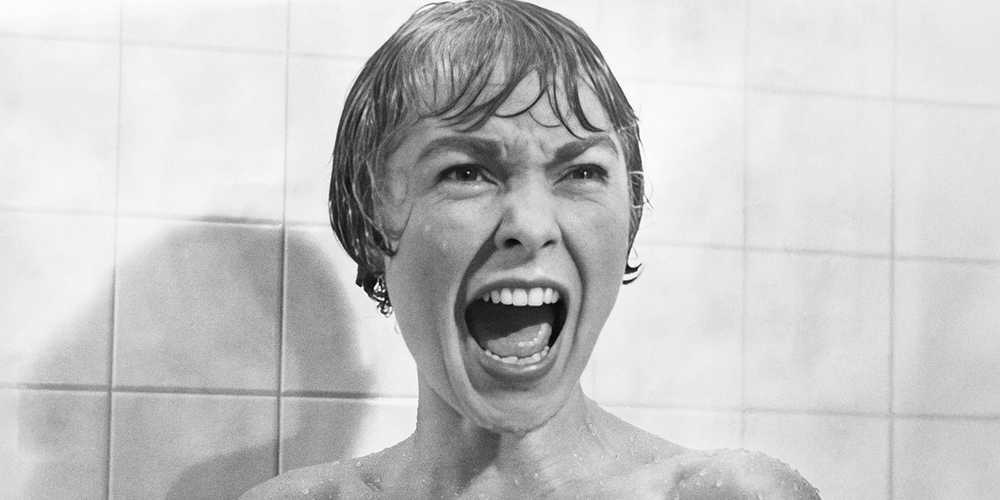
Alfred Hitchcock redefined the psychological horror thriller with Psycho, which stars Janet Leigh as a real estate secretary, Marion Crane, who, after stealing thousands of dollars from her employer, quickly skips town with a plan to run away with her boyfriend (John Gavin). As Crane grows tired and is overcome by a thunderstorm, she decides to stop for the night and checks into the Bates Motel, where she meets the odd but kind Norman Bates (Anthony Perkins), who harbors a dark secret that changes the course of Crane’s life forever
Psycho is based on Robert Bloch’s 1959 novel and is known for its tediously slick direction, intense atmosphere, unforgettable performances, and, of course, the infamous shower scene. At the time, the horror genre was known for its stereotypical monster movies, but Psycho ignited a creative shift within the genre, leading to a rise in more twisted thrillers, making it an influential staple in the genre. Despite its initial mixed reviews, Psycho was the second-highest-grossing film of 1960, and today, it is considered one of the greatest movies of all time, as well as one of Hitchcock’s most celebrated masterpieces.
‘West Side Story’ (1961)
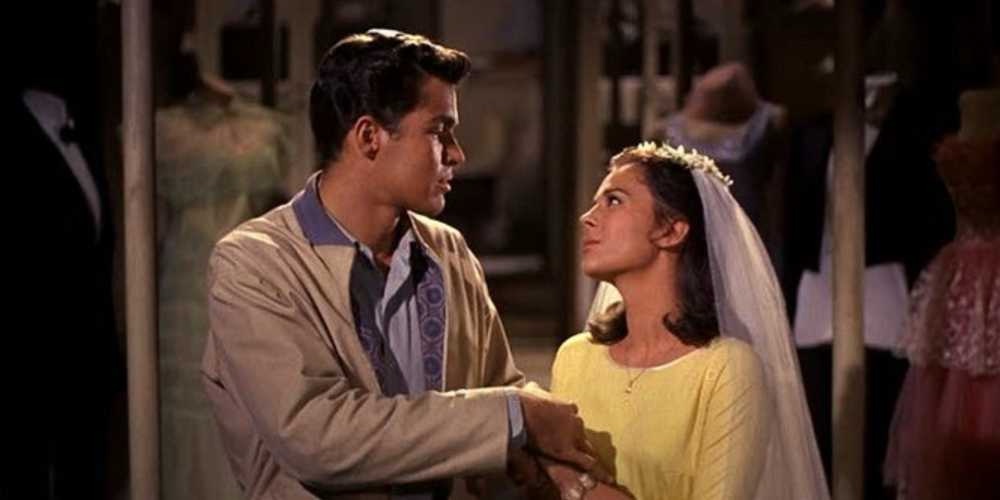
Robert Wise’s West Side Story is a modernized version of Romeo and Julietset against the backdrop of New York City’s Upper West Side, where two rival gangs, the Sharks and the Jets, are in an intense turf war. When a former member of the Jets, Tony (Richard Beymer), falls in love with the leader of the Sharks’ sister, Maria (Natalie Wood), their relationship inevitably adds fuel to the already blazing fire between the two gangs, resulting in senseless bloodshed and a tragic end to the couple’s blossoming romance.
The 1961 Oscar-winning musical film, West Side Story, is an adaptation of the 1957 hit Broadway show and is recognized as a powerful piece of cinema due to its heavy focus on key social issues, such as gang violence and racial tensions, as well as its collection of memorable songs and musical numbers. West Side Story was the highest-grossing film of the year and ultimately won ten of its eleven Academy Award nominations, including Best Picture and Best Director, becoming the first musical film to win the most Oscars. Rita Moreno also went on to win the Academy Award for Best Supporting Actress, making her the first Hispanic actress ever to win the prestigious award.
‘To Kill a Mockingbird’ (1962)
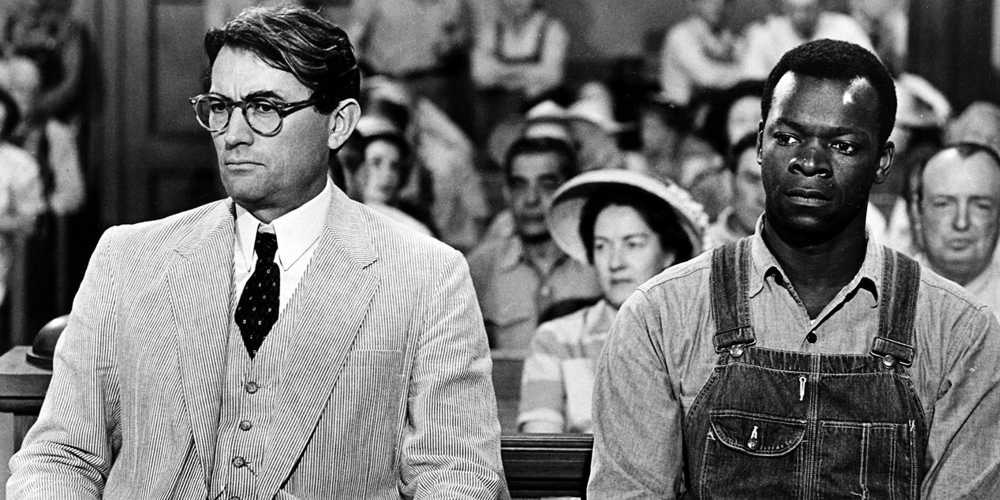
Gregory Peck stars in one of his most essential films, To Kill a Mockingbird, as a lawyer and father, Atticus Finch, who lives in Alabama with his two children, Jem (Philip Alford) and Scout (Mary Badham), during the Great Depression. When an African American man, Tom Robinson (Brock Peters), is wrongfully accused of assaulting a white woman, Finch defends the innocent man not only because of his sense of morality and justice, but also to set an example for his children about standing up against prejudice
To Kill a Mockingbird is a moving legal drama based on Harper Lee’s Pulitzer Prize-winning novel and boldly conveys the importance of never judging a book by its cover through themes of racism, injustice, and humility. The film was both a financial and critical success and was mainly praised for its grasp of social consciousness and overall riveting performances, notably Peck, whose performance earned him the Academy Award for Best Actor. To Kill a Mockingbirdreceived eight Academy Award nominations, including Best Picture, Best Director, and Best Supporting Actress for Badham, and went on to also win for Best Adapted Screenplay and Best Art Direction.
‘The Great Escape’ (1963
Steve McQueen stars in John Sturges’ epic war adventure movie, The Great Escape, as Captain Virgil Hilts, who is determined to break out of a German POW camp during World War II. When Hilts realizes he can’t escape alone, he and several other Allied prisoners secretly construct a mass prison break by digging three tunnels under the camp. As they set their grand plot in motion, they soon learn that their mission comes with more dangers and complications than they initially expected.
The Great Escape is a fictionalized account of the mass escape of British soldiers from the German POW camp, Stalag Luft III, and features an ensemble cast including James Garner, Richard Attenborough, and Charles Bronson. Unlike other films at the time, The Great Escape stands out for foregoing common elements such as sermonizing and sexual content, and instead focuses on basic human nature and thrilling action, making it a definitive classic of pure cinematic escapism. Despite heavy competition, The Great Escape was one of the highest-grossing movies of 1963 and earned generally positive reviews from critics as well as an Oscar nomination for Best Film Editing.
‘Dr. Strangelove or: How I Learned to Stop Worrying and Love the Bomb’ (1964
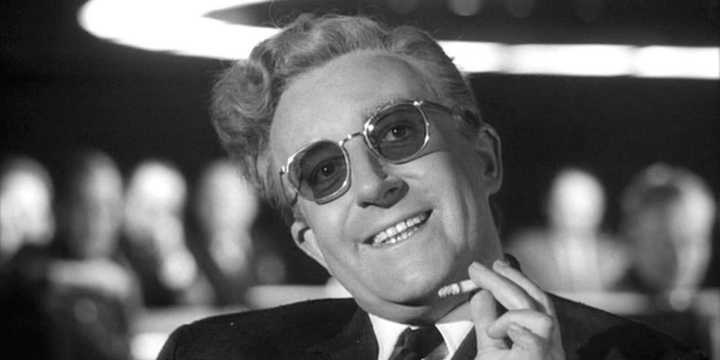
Stanley Kubrick’s Dr. Strangelove or: How I Learned to Stop Worrying and Love the Bomb is a political black comedy that provided a bit of comic relief to the widespread fear of a nuclear war erupting during the Cold War, presenting a humorous scenario of what would happen if the wrong people in charge made the wrong call. When an unhinged U.S. Air Force General (Sterling Hayden) sends his crew to bomb the Soviet Union, the President of the United States (Peter Sellers) and several other officials do everything in their power to stop the attack and prevent a nuclear war
The Sound of Music’ (1965
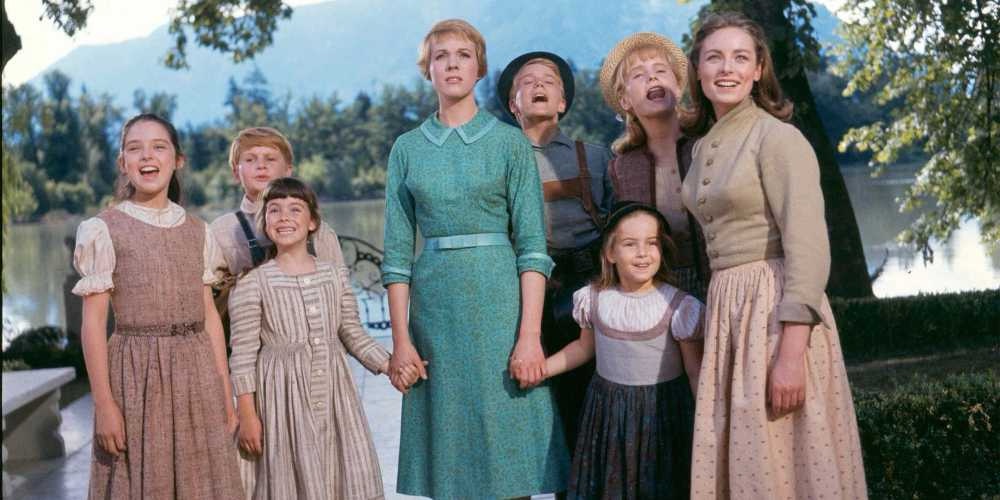
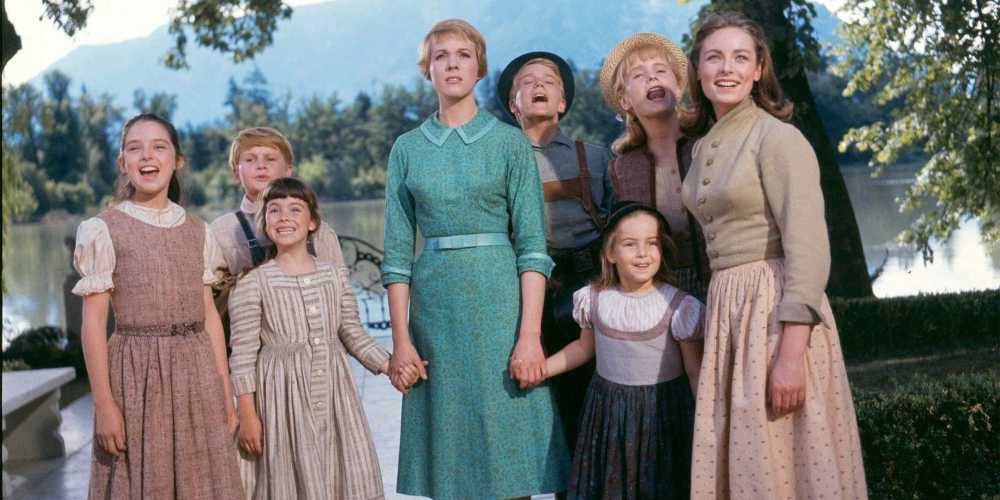
Julie Andrews stars in the 1965 hit musical film, The Sound of Music, as the spirited Maria, who is preparing to become a nun when she is sent to work as a governess for the children of a retired Naval officer, Captain Gregor von Trapp (Christopher Plummer). At first, the von Trapp children try to scare Maria off like the others before her, but her genuine warmth and patience eventually win them over. As Maria brings a sense of love and happiness to the strictly run home, she begins to grow on Captain von Trapp, whose initial gratitude for her help and care gradually turns into an unexpected romance between them
‘The Good, the Bad, and the Ugly’ (1966)
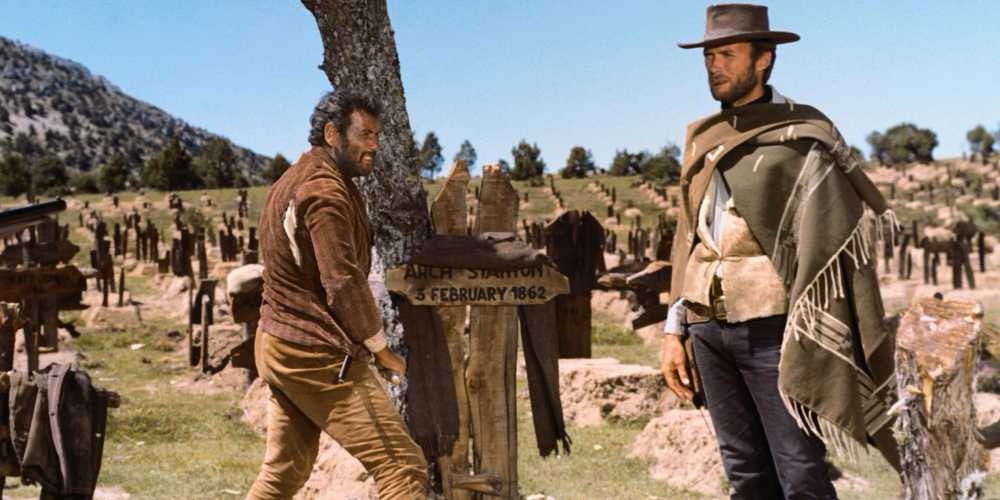
The Good, the Bad, and the Ugly is one of the most timeless Westerns starring Clint Eastwood in his final appearance in his iconic role as The Man With No Name, who forms an unlikely partnership with an outlaw, Tuco (Eli Wallach), involving a lucrative scheme, but when one job goes astray, the pair decides to call it quits. Before they can go their separate ways, they find a dying Confederate soldier who tells them about a golden fortune buried in a graveyard. With one knowing the graveyard’s location and the other knowing the grave where the gold is buried, the former partners realize that if they ever expect to find it, they must search for it together