The Untold Reinvention of Tina Louise After Gilligan’s Island

When you hear the name Tina Louise, your mind might instantly drift to a tropical island, a stranded boat crew, and a dazzling redhead named Ginger Grant. But Tina’s story didn’t end when the S.S. Minnow ran aground—it evolved, deepened, and quietly defied Hollywood expectations.
This is the untold journey of how one woman refused to be boxed in by a role and instead rewrote her narrative—one powerful reinvention at a time.

From Magazine Covers to Movie Sets
Before Gilligan’s Island, Tina Louise had already become a face to remember. Her modeling work appeared in high-fashion spreads, commanding attention with her striking beauty and effortless glamour. But Tina wasn’t just another pretty face—she radiated presence. And it was that magnetic confidence that caught the eye of Hollywood producers.
She made her film debut in the late 1950s, quickly becoming known for playing sultry, smart, and strong-willed characters. Tina Louise had the kind of screen charisma that couldn’t be taught—and casting agents knew it.
Video: Tina Louise on ‘Gilligan’s Island’ and memoir ‘Sunday’
The Ginger Grant Phenomenon
In 1964, Tina stepped into the role that would forever change her life: Ginger Grant, the glamorous movie star on Gilligan’s Island. Her character was bold, mysterious, and always impeccably dressed—Ginger wasn’t just a castaway, she was a cultural moment.
The show became a sensation. And so did she.
But fame can be a double-edged sword. While the world adored Ginger, Tina felt the weight of being typecast. The industry loved the version of her that sparkled in sequins and perfect curls—but Tina wanted more. She didn’t want to be frozen in time as just “the movie star on the island.”
Breaking Free from the Stereotype
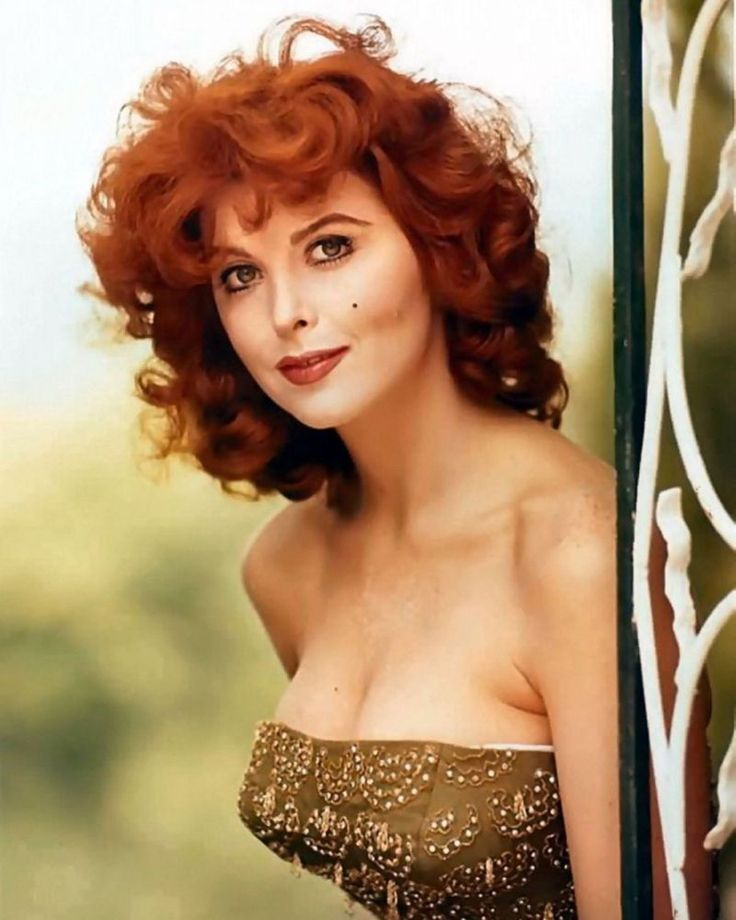
Once the island days were over, Tina Louise made a bold choice. She didn’t chase more of the same. She chased something different.
She accepted roles that challenged her. One of her most significant post-island performances came in The Stepford Wives (1975). The film was a chilling dive into conformity and control, and Tina played her part with quiet intensity and emotional depth. This wasn’t Ginger. This was real. Raw. Unfiltered.
And with it, Tina sent a clear message: she wasn’t afraid to grow. To shift. To stretch beyond the glitz and glam.
Aging on Her Own Terms
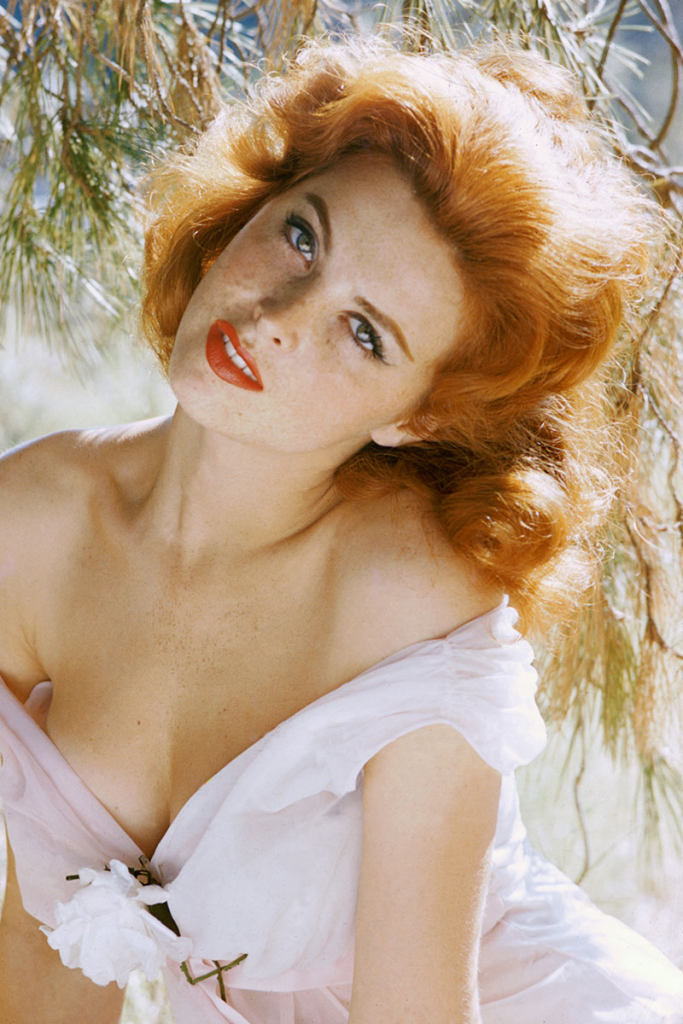
Hollywood isn’t always kind to women who age—especially women who made their names on youth and beauty. But Tina Louise didn’t fade into obscurity. She aged boldly.
Instead of chasing the fountain of youth with desperate measures, she embraced the aging process with grace. She didn’t try to be who she was at 25. She leaned into who she was at 50, 60, 70, and beyond. And people noticed.
While others retouched their public image into oblivion, Tina leaned into authenticity. Her fans didn’t just admire her—they respected her. She became a role model for how to evolve with strength, elegance, and honesty.
From Actress to Author
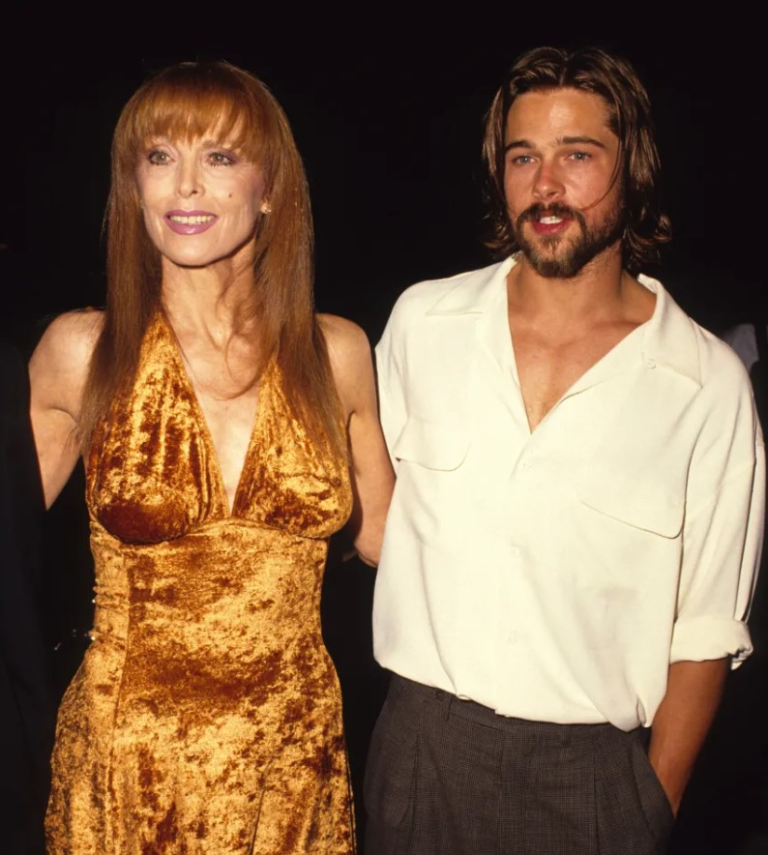
As time passed, Tina didn’t retreat—she transformed. Her new stage? The page.
She turned to writing, using her voice in a whole new way. Her books didn’t just entertain—they revealed. In her memoir Sunday, Tina explored themes of identity, growth, and healing. She peeled back the layers of her public image to share a more personal, vulnerable self.
Readers connected with her honesty. The same strength that once lit up a TV screen now powered her prose. She wasn’t trying to relive old glories—she was creating new ones.
Gracefully Embracing the Digital Age
Video: 13 Sexy Photos of Tina Louise
In a world where many celebrities cling to relevance by going viral or stirring up controversy, Tina Louise took a quieter path. Her digital presence is subtle, serene, and sincere.
She shares reflections. Not clickbait. She uplifts instead of provokes. While she honors the past—especially the joy fans still find in Gilligan’s Island—she doesn’t live in it. She continues to move forward. Always.
A Blueprint for Reinvention

Tina Louise didn’t let one iconic role define her. She refused to be locked in a time capsule or reduced to a type. Her journey is a blueprint for reinvention—proof that transformation is not only possible, but powerful.
She showed that it’s okay to start over. To change paths. To grow past people’s expectations. Her story isn’t about nostalgia—it’s about evolution.
Conclusion

Tina Louise’s life after Gilligan’s Island is a masterclass in reinvention. She took control of her narrative, challenged stereotypes, and aged with bold grace. From silver screen starlet to soulful writer, she’s proven again and again that life isn’t about staying the same—it’s about becoming more of who you really are.
And if there’s one thing her journey teaches us, it’s this: reinvention isn’t a one-time act. It’s a mindset. One that says, “I’m not done. I’m just getting started.”












Post Comment