Honey is a natural sweetener that has been enjoyed by humans for thousands of years due to its unique taste and numerous health benefits. However, one common issue that many people encounter with honey is crystallization, where the honey transforms from its smooth, liquid form into a grainy, solid state. In this article, we will delve into the world of honey, exploring its history, benefits, why it crystallizes, and most importantly, how you can reverse the process and enjoy your honey in its original form.
All about Honey
Source: Shutterstock
Honey is a sweet, viscous food substance produced by honey bees. It is made by bees collecting nectar from flowers and transforming it into honey through a process of regurgitation and evaporation. The color, taste, and texture of honey can vary depending on the type of flowers the bees harvested nectar from. This is why the same honey bees living in the same hives can produce honey that tastes different throughout the year: Because the flowers in bloom are different from spring, to summer, to fall, and finally winter. Honey is known for its rich flavor, natural sweetness, and various health benefits. (1)
The history of honey dates back thousands of years, with evidence of its consumption found in ancient cave paintings and artifacts. In ancient times, honey was not only used as a food source but also for its medicinal properties. Civilizations such as the Egyptians, Greeks, and Romans revered honey for its healing properties and used it to treat various ailments. In fact, in 1922, when archaeologists excavated King Tut’s tomb, they found a jar of honey that was still fully intact one thousand years later. Allegedly they tasted the honey, but this extra fact was not confirmed
Honey is more than just a sweet treat; it also offers a myriad of health benefits. It is rich in antioxidants, enzymes, and vitamins that can help boost the immune system, improve digestion, and soothe sore throats. Honey is alsoknown for its antibacterial and anti-inflammatory properties, making it a valuable addition to both culinary dishes and natural remedies. It is known for its skin healing properties, making it helpful for use on minor burns and for scar healing.
Why honey crystallizes
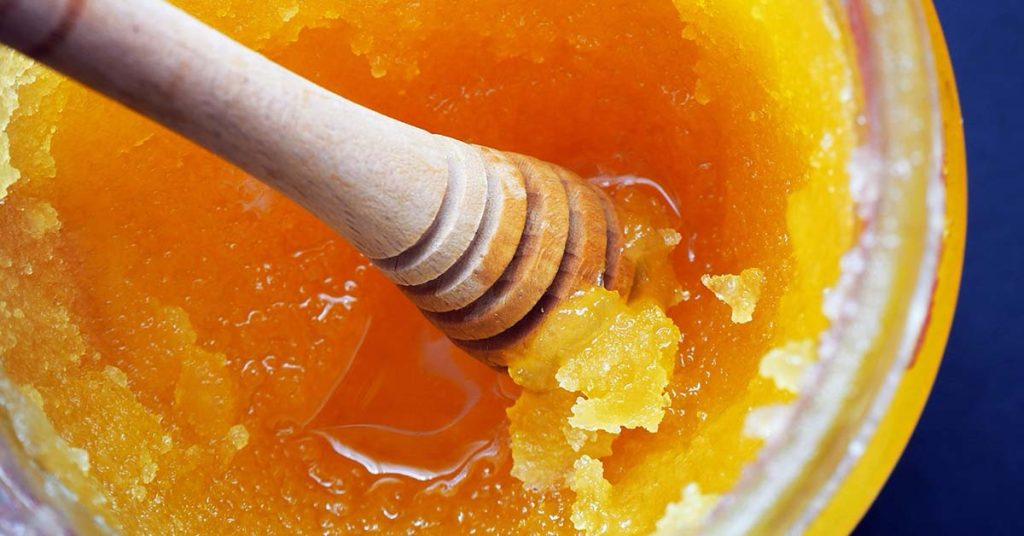
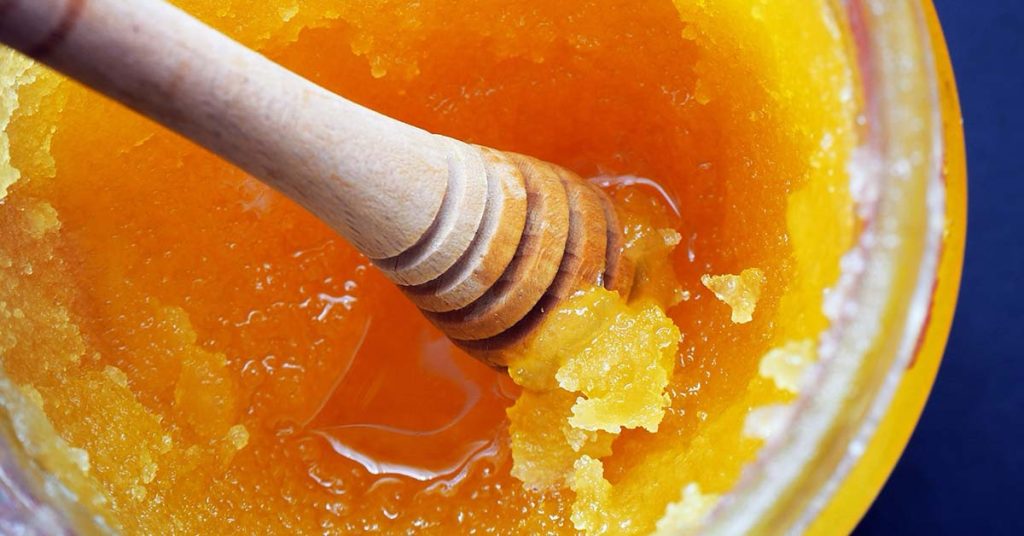
The process of honey crystallization occurs when the natural sugars in honey form solid granules, giving it a thick, gritty texture. Crystallization is a natural and common process that all types of honey undergo over time. Factors such as temperature, moisture content, and pollen concentration can influence the speed at which honey crystallizes. Commercially processed honey tends to crystallize more slowly compared to raw honey due to the filtration and heating processes involved in its production.
The truth about honey is that, even if it has crystallized, it will last forever. This is provided that it is in a closed container. If left open and moisture is allowed to get in, it will eventually begin to ferment. This is more or less how mead – also known as honey wine, or an alcoholic beverage made from honey – is made.
“When bees make honey, they are creating a ‘supersaturated solution,’ which in this case means the natural sugars (mainly glucose and fructose—from the harvested flower nectar) are dissolved in a tiny amount of water, and the honey stays liquid but very temperamentally so,” explains Amy.
Newsome, a gardener, beekeeper, and author of Honey. “The sugars start to crystallize over time.”
If you find your honey has crystallized and solidified, fear not, as there are simple ways to reverse the process and restore your honey to its original smooth form. One effective method is to gently heat the crystallized honey by placing the jar or squeeze bottle in a bowl of warm water. It is important to avoid using water above 95°F to prevent degradation of the honey’s beneficial compounds. Allow the honey to warm up gradually until it returns to a liquid state, ready to be enjoyed once again.
To prevent crystallization in the first place, it’s all about how you store your honey. If you have some jars that you will not be eating right away, it’s best to keep them below 50 degrees fahrenheit. It will be a bit more solid, so you will have to allow it to warm up a bit before it will be pourable. If you are eating your honey right away or frequently, keep it between 70 and 80 fahrenheit. This will help to delay crystallization
Precautions with honey consumption
Source: Shutterstock
While honey offers numerous health benefits, it is essential to consume it in moderation and with caution, especially for certain individuals. Infants under the age of one should not consume honey due to the risk of botulism, a rare but serious illness. Additionally, individuals with pollen allergies should be cautious when consuming honey, as it may trigger allergic reactions. Finally, while honey does have many health benefits, it is still sugar at the end of the day. No matter the source, your body treats sugars all the same. As with all sugars, it should be consumed in moderation. It is always advisable to consult with a healthcare professional before incorporating
honey into your diet, especially if you have any underlying health conditions.
The Bottom Line
Source: Shutterstock
Honey crystallization is a natural process that can be easily reversed with a bit of warmth and patience. By understanding why honey crystallizes, its history, and the benefits it offers, you can fully appreciate this versatile and delicious ingredient. Remember to store your honey in a dry, airtight container to help prevent crystallization and enjoy the liquid gold of nature. for years to come.