7 Early Warning Signs of High Blood Sugar
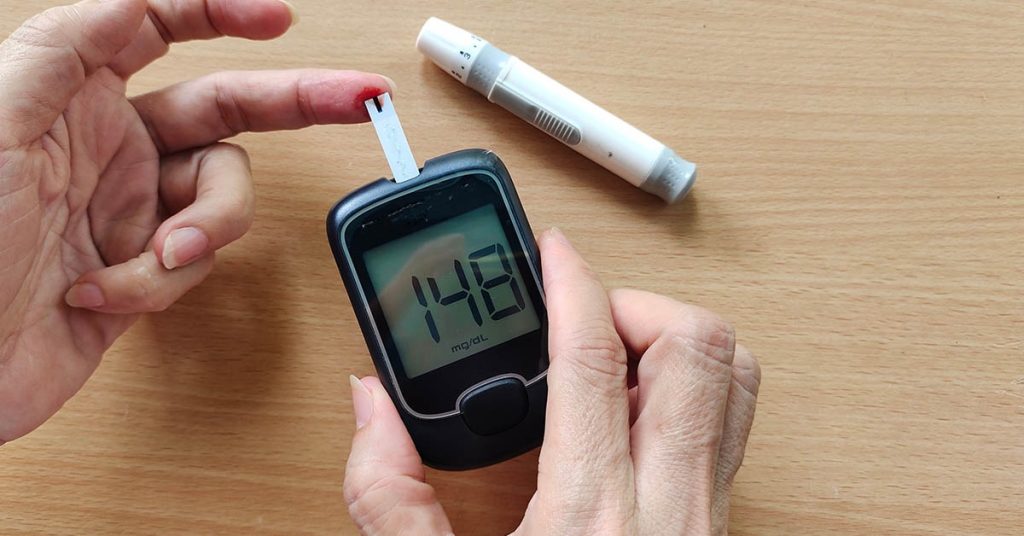
High blood sugar is a condition with potentially grave consequences. As such, it demands serious attention, especially due to the hidden symptoms it possesses. Recognizing signs early on is key for effectively managing and preventing complications. Also known as hyperglycemia, the issue can come about with or without diabetes and can wreak havoc on the body if left unchecked. Organ damage, nerve impairment, and vascular issues top the list, but issues persist throughout the whole body.1
Constant Thirst

Unquenchable thirst is a telltale sign of high blood sugar. Also called polyuria, it is a result of the kidneys being unable to absorb excess glucose, leading to dehydration paired with persistent thirst. As your blood sugar levels rise, your kidneys have to work overtime to get rid of any surplus glucose via urine, which in turn causes a spike in how often you need to urinate. The excessive loss of fluids triggers a thirst that cannot be easily quenched.2
Read More: 10 Natural Home Remedies To Help Lower High Blood Pressure
Increased Eating Habits

Having high blood sugar disrupts how energy is converted, which triggers a heightened sense of hunger. The body is unable to convert food into energy, prompting increased food intake. This results in glucose unsuccessfully (at best, inefficiently) entering cells due to insulin resistance. The glucose then remains in the bloodstream, telling the brain that you need more fuel. This results in individuals experiencing a feeling of insatiable hunger and frequent snacking, despite consuming sufficient calories which only further perpetuates the problem.3
Constant Urination

Frequent urination, closely linked with the constant feeling of being thirsty, indicates the kidneys are struggling to eliminate any excess sugar in your bloodstream. This is a fairly simple way to identify elevated blood sugar levels. When your blood sugar levels surpass the kidneys’ filtration ability, glucose then spills over into the urine, taking excess water along with it. This leads to a cycle of increased urine production, more frequent trips to the bathroom, dehydration, more liquid consumed, and then starting it all over again. Individuals may even find themselves waking up through the night to pee, disrupting their sleep patterns.
Chronic Fatigue

Despite having more potential energy to call on, high blood sugar often leads to fatigue and weakness from increased urination and dehydration, which in turn hampers your energy production. When cells don’t have glucose, the body breaks down muscle and fat for fuel instead. Which can be great for weight loss, but also has the unintended consequence of significantly lowered energy levels. Also, the dehydration further exacerbates the feelings of fatigue, leaving individuals feeling drained and lethargic.4
Headaches and Blurry Vision

The fluid leakage caused by elevated blood sugar levels can cause blurry vision. High blood sugar can cause swelling behind the eyes from fluid accumulation, which leads to distorted vision and makes it difficult to focus. The increased swelling can also trigger headaches, further impacting quality of life and productivity.
Tingling and Numbness in Hands and Feet

Also known as diabetic neuropathy, it’s characterized by nerve damage that may manifest as tingling or numbness in your extremities. Prolonged elevated blood sugar levels can damage nerves throughout your entire body, leading to sensory issues like tingling, numbness, or pain in the hands and feet. These symptoms are often subtle at first but can progress to significant discomfort and impairment of daily activities.
Changes in Your Skin

Skin infections, dryness, blisters, and itchiness can be indicators of elevated blood sugar levels. Additionally, gum disease in the form of swollen or bleeding gums is a common complication. Having high blood sugar compromises the body’s ability to fight off infections, resulting in recurring skin issues like fungal infections and slow wound healing. Elevated glucose levels can also create the ideal environment for bacteria to thrive in your mouth, which can turn into periodontal disease, halitosis, and gum inflammation.
Bottom Line

t is extremely important to see the signs of high blood sugar levels as soon as possible. Knowing empowers individuals to combat and minimize any of the numerous potential complications. By recognizing these signs, individuals can seek prompt medical attention and take on a lifestyle that better manages their condition effectively. Vigilance and proactivity are key in safeguarding one’s health against the detrimental effects of high blood sugar.
Read More: Baby Dies with High Alcohol Level in Blood. Should Drinking be Off Limits while Breastfeeding?
Sources
- “8 Early Warning Symptoms Of High Blood Sugar.” Providr
- “Early Signs and Symptoms of Diabetes.” WebMD. Terri D’Arrigo.
- “What are the early signs of type 2 diabetes?” Medical News Today. Nicole Galan, RN. January 25, 2024.
- “9 Signs Your Blood Sugar Is Out of Control.” Everyday Health. Sheryl Huggins Salomon.