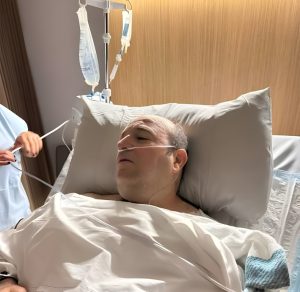
A Star Gone Too Soon: Remembering an Unforgettable Legend
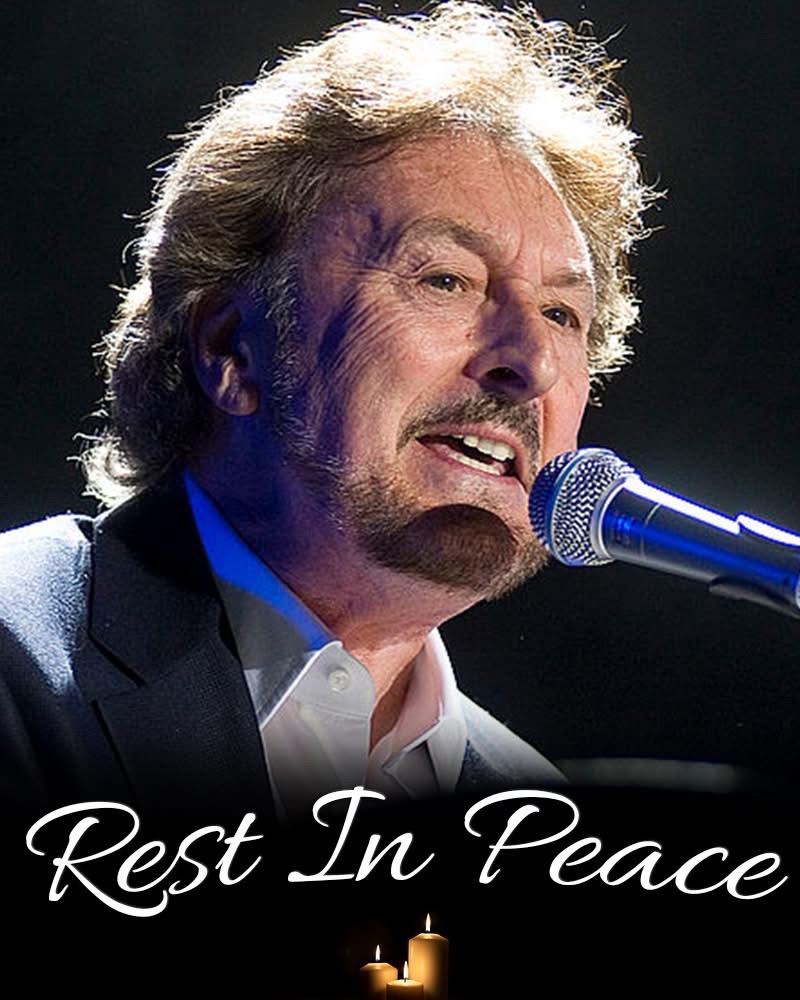
Rick Davies truly defined the sound of a generation with his voice, piano, and songwriting, shaping Supertramp into one of the most distinctive bands in rock history. His work on classics like The Logical Song, Goodbye Stranger, and Take the Long Way Home left an imprint that still resonates deeply with fans today.
On September 5, at the age of 81, Davies passed away peacefully at his home in Long Island after living with cancer for more than a decade. He had been diagnosed with multiple myeloma in 2015, a serious bone marrow cancer that weakens the body’s ability to produce healthy white blood cells. Even in the face of this long illness, he remained resilient and connected to music until the end.
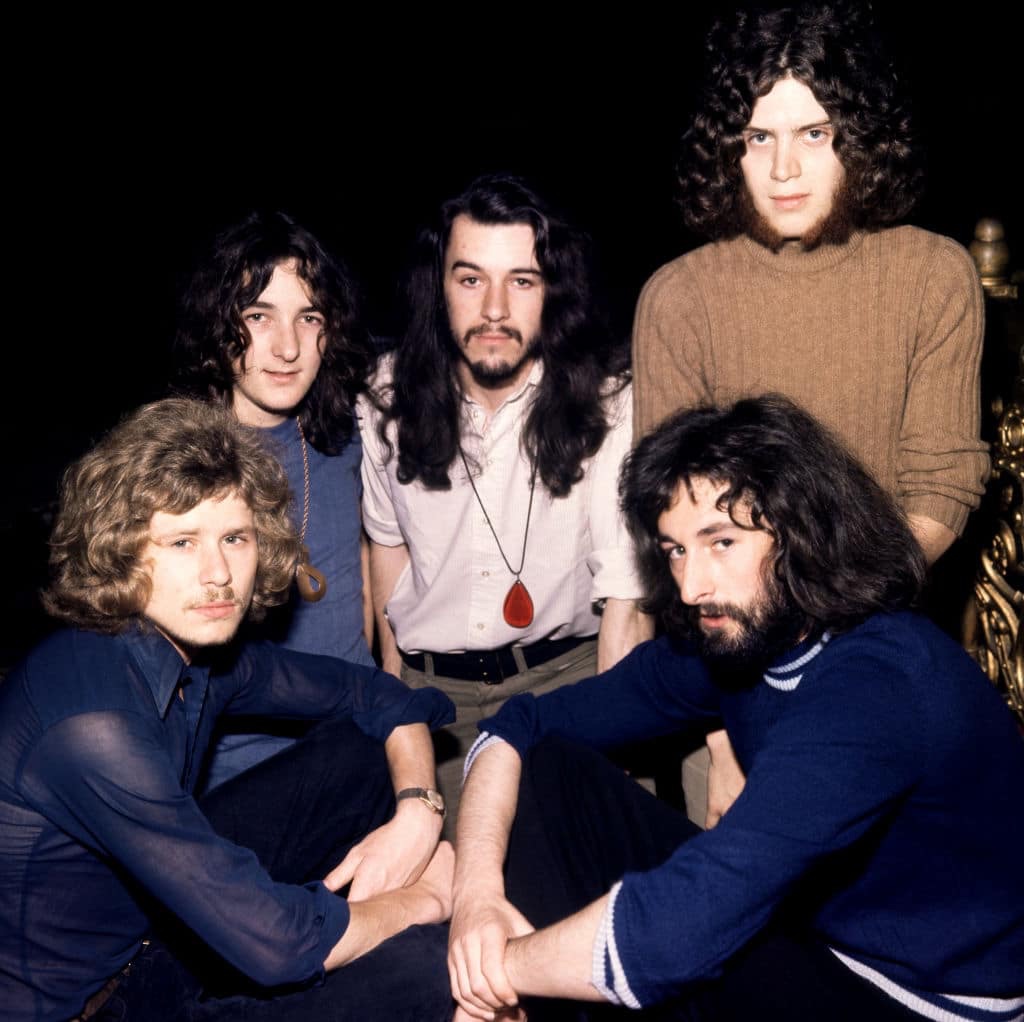
Robert Millar, Roger Hodgson, Richard Palmer-James, Rick Davies and Dave Winthrop, of the British rock band Supertramp, pose for a group portrait in London, England, August 12, 1970. (TPLP/Getty
Born in Swindon, England, Davies showed an early passion for music, despite struggling in school. As his mother once reflected, “Music was the only thing he was any good at at school.” That passion guided him toward a life-changing partnership. In 1969, he co-founded Supertramp alongside Roger Hodgson. Though the two came from contrasting backgrounds—Davies rooted in working-class grit and Hodgson shaped by private schooling—their chemistry was undeniable. They shared vocals, traded musical ideas, and crafted songs that would speak to millions.
Supertramp’s ascent was rapid. By the early ’70s, they were already charting hits, and in 1979 their iconic album Breakfast in America turned them into global stars. The record soared to number one on the Billboard chart, producing enduring hits like The Logical Song, Take the Long Way Home, and Goodbye Stranger. It earned Grammy nominations, including Album of the Year, cementing their place in music history.
Yet creative differences eventually pulled Davies and Hodgson apart. By 1983, Hodgson left the group, pursuing a quieter life in Northern California while Davies remained in Los Angeles, determined to keep the band alive. He carried Supertramp through the 1980s and later revived it in the ’90s with new members, ensuring the music lived on.
Illness, however, began to limit his ability to perform. In 2015, just as a new tour was being planned, his cancer diagnosis forced him to step back from the stage. Despite the struggle, he gave a rare interview in 2018 where he shared that he had begun to enjoy music again, finally free of some of the heavy treatments that had kept him from it.
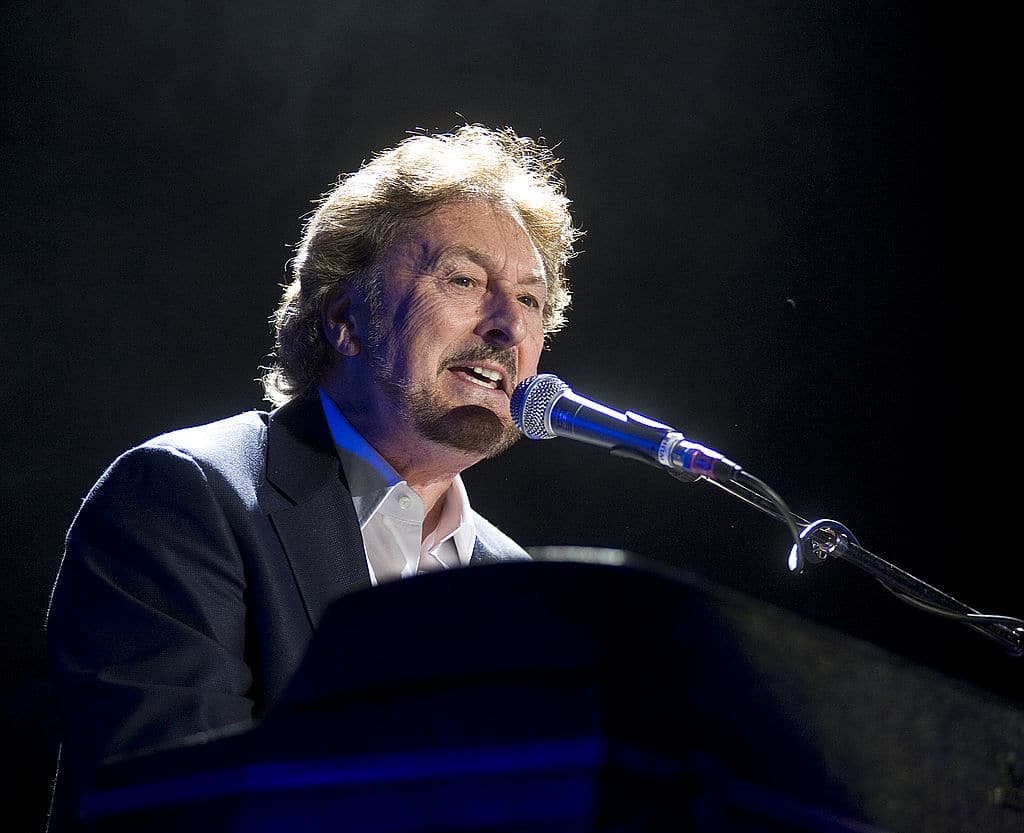
Davies’ impact extended far beyond the studio and stage. Known for his warmth and devotion, he shared over fifty years with his wife Sue, who stood by him through health challenges and life’s ups and downs. Away from the fame of Supertramp, he delighted in playing with a local band called Ricky and the Rockets, reconnecting with music in its simplest, most joyful form
The band remembered him in a heartfelt tribute, praising his soulful voice, his unmistakable touch on the Wurlitzer, and the way his artistry became the very heartbeat of their sound. Fans across the world now carry his legacy in the songs that still play on radios, playlists, and in concert halls.
For those who grew up with his music, Rick Davies leaves behind more than hits. He leaves a soundtrack to memories, a body of work that captured both the joy and complexity of life. Though he has taken his final bow, the music remains—and it ensures his voice will never be silenced.