Trump Pardons Rudy Giuliani and Dozens of Allies in Sweeping Post-Election Move
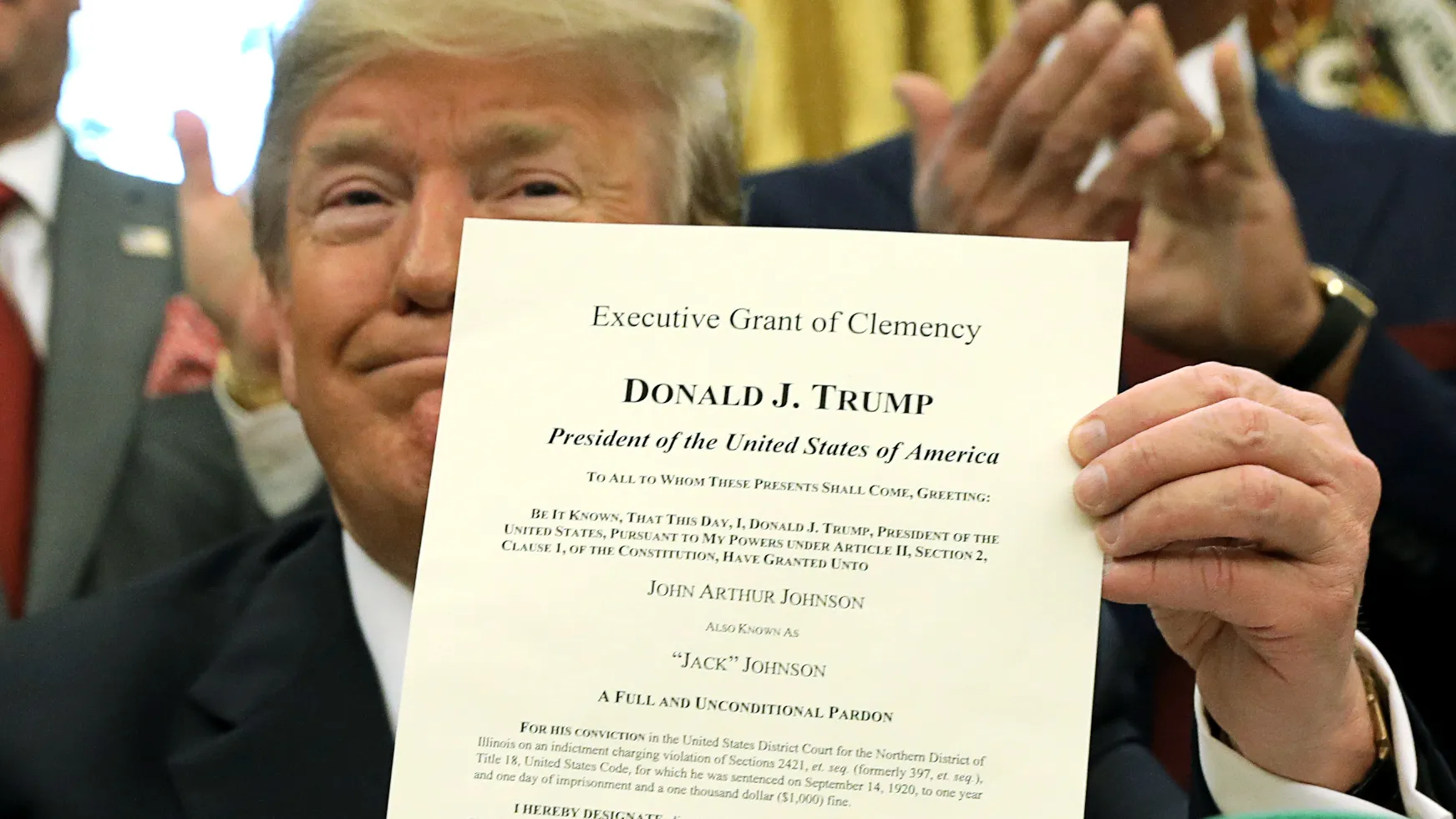
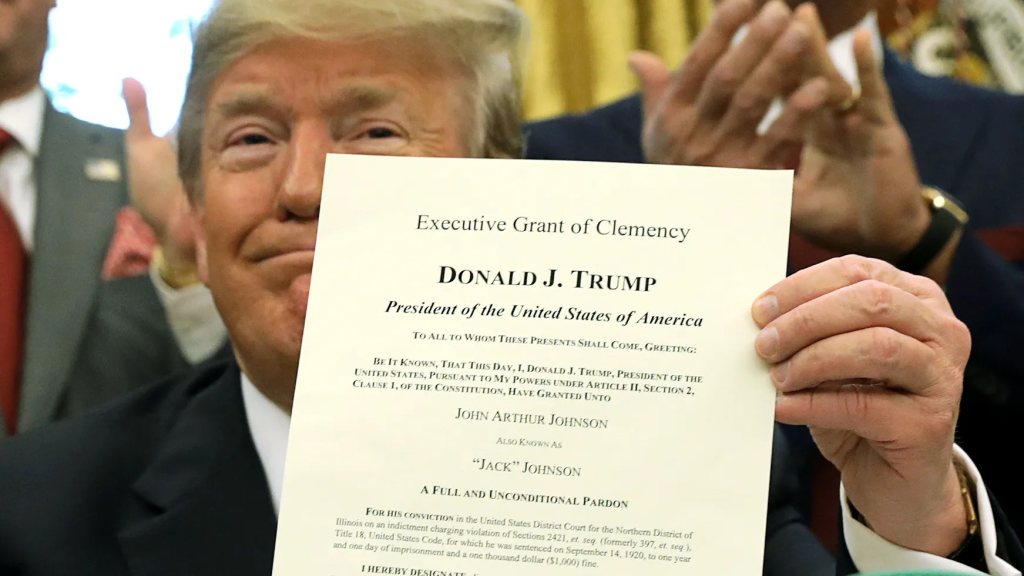
WASHINGTON — President Donald Trump has issued one of the most sweeping rounds of presidential pardons in modern American history, absolving a long list of political allies and advisors tied to efforts to challenge or overturn the results of the 2020 presidential election.
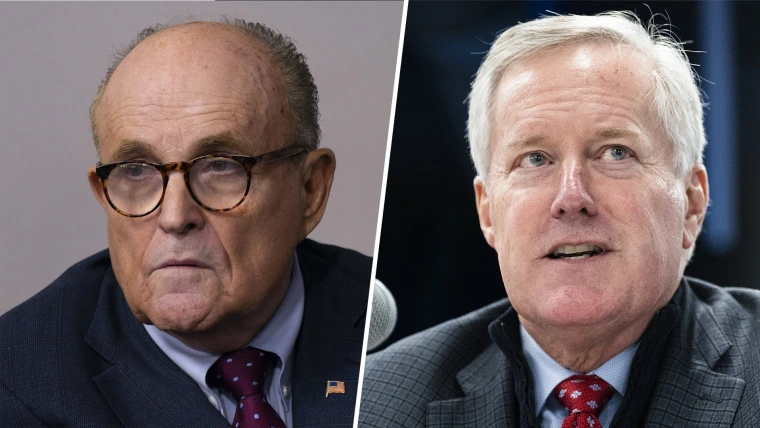
According to the Department of Justice’s Pardon Attorney, Ed Martin, the president signed the proclamation on November 7, granting “a full, complete, and unconditional pardon” to more than 70 individuals. Among those pardoned are several of Trump’s closest advisors and lawyers who became household names during the election turmoil, including Rudy Giuliani, Sidney Powell, Mark Meadows, Jeffrey Clark, John Eastman, Ken Chesebro, Jenna Ellis, Kelli Ward, and Boris Epshteyn.
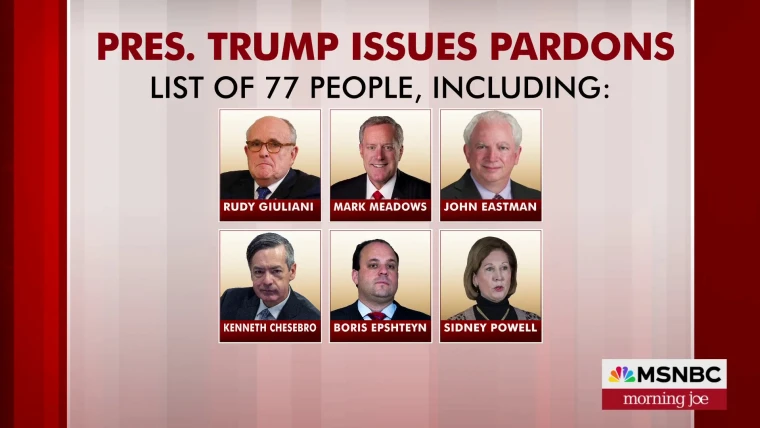
The document, which Martin posted publicly, describes the mass pardon as an effort to bring “national reconciliation” and to correct what it calls “a grave injustice perpetrated upon the American people following the 2020 Presidential Election.” The proclamation emphasizes that the pardons do not apply to the president himself.
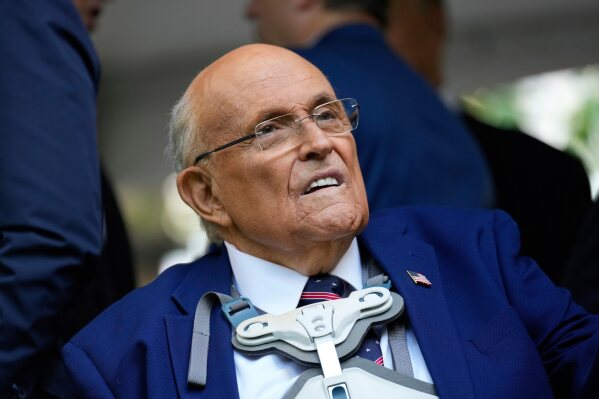
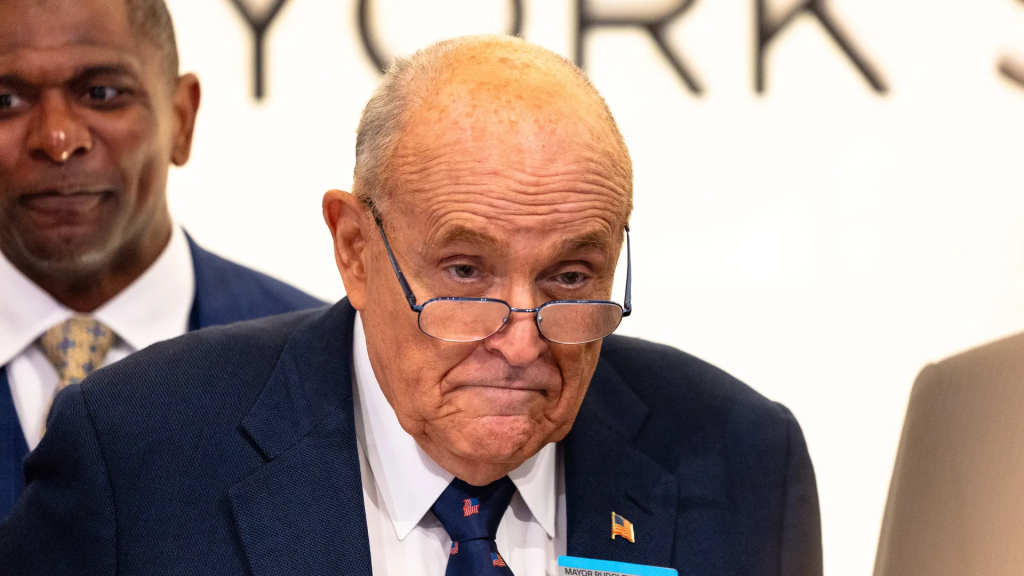
Giuliani, the former New York City mayor and Trump’s personal attorney, was at the center of multiple challenges to the 2020 election results and is still facing state-level charges in Georgia related to the “fake electors” effort. Powell and Chesebro, both lawyers involved in similar efforts, had pleaded guilty to charges in that case before the election. Meadows, Trump’s former chief of staff, was also a key figure in the administration’s post-election strategy.
The proclamation also clears former Justice Department official Jeffrey Clark, who was accused of attempting to misuse the department’s power to support Trump’s election claims. Clark now serves as a senior official at the Office of Management and Budget.
In addition to those directly involved in the election efforts, Trump also granted clemency to several others in unrelated cases, including a retired New York City police officer convicted in 2023 for acting as an agent of the Chinese government, and former baseball star Darryl Strawberry, who was pardoned for a 1995 tax evasion conviction.
While the sweeping pardon erases any potential federal criminal exposure for those named, it does not affect state or local prosecutions. That means ongoing criminal cases in Georgia, Arizona, Wisconsin, and Nevada remain unaffected. Legal experts note that the pardon may nonetheless become part of future defense arguments, with defendants claiming political motivation in their prosecutions.
White House press secretary Karoline Leavitt hailed the move, calling those pardoned “great Americans” who had been “persecuted and put through hell by the Biden Administration for challenging an election.” She added that “getting prosecuted for questioning results is something that happens in communist Venezuela, not the United States of America,” describing Trump’s action as a step to “end the Biden Regime’s communist tactics once and for all.”
Trump’s decision continues a pattern of using presidential clemency to defend his political base. One of his first acts after taking office for a second term was to pardon more than a thousand individuals charged or convicted in connection with the January 6, 2021, Capitol riot.
Critics, however, warn that the latest pardons could deepen divisions and erode public confidence in the justice system. They argue that while the Constitution grants the president broad clemency powers, using them to shield political allies blurs the line between justice and loyalty.
Still, Trump’s allies view the move as a long-overdue correction. To them, the prosecutions that followed the 2020 election represented political retribution rather than impartial law enforcement. For his supporters, the pardons represent the closing of one chapter — and the reaffirmation of a president determined to protect those who stood with him during one of the most contentious periods in American political history.






Post Comment