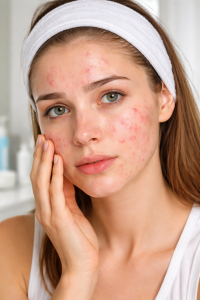
Acne: A Common Skin Condition Affecting Millions Worldwide and Its Impact Beyond Appearance
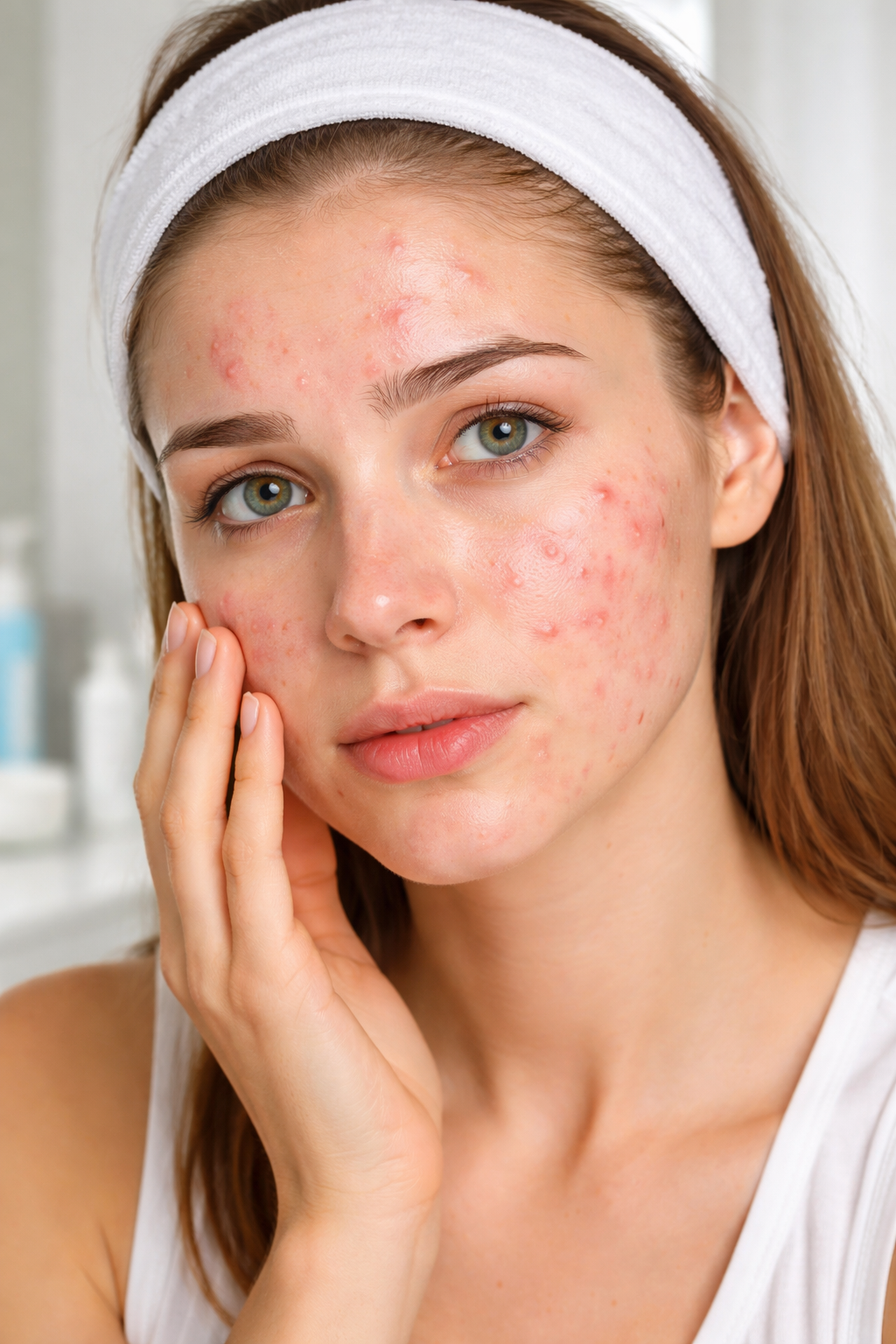
Acne is one of the most widespread skin conditions in the world, affecting millions of people across all age groups. While it is most commonly associated with teenagers going through puberty, acne increasingly affects adults as well, making it a long-term concern rather than a temporary phase. Dermatologists emphasize that acne is not merely a cosmetic issue, but a medical condition that can significantly impact a person’s physical comfort, emotional well-being, and overall quality of life.
The condition develops when hair follicles become clogged with oil (sebum), dead skin cells, and bacteria. This process leads to the formation of pimples, blackheads, whiteheads, cysts, and in more severe cases, painful nodules beneath the skin. Acne most frequently appears on the face, chest, back, and shoulders—areas where oil glands are most active.
Hormonal changes are considered one of the primary causes of acne, particularly during adolescence, pregnancy, or periods of stress. Increased hormone levels stimulate oil production, which in turn raises the risk of clogged pores. However, hormones are not the only factor. Genetics, diet, certain medications, poor skincare routines, and environmental pollution can also contribute to acne breakouts.
In recent years, experts have observed a notable rise in adult acne, especially among women. Factors such as hormonal imbalances, stress, lack of sleep, and prolonged use of cosmetic products have been linked to this trend. Social media pressure and unrealistic beauty standards often intensify the emotional burden, causing individuals with acne to experience low self-esteem, anxiety, and even depression.
Medical professionals warn that ignoring acne or attempting to treat it with unverified home remedies can worsen the condition and lead to permanent scarring. Early diagnosis and proper treatment are crucial. Treatment options vary depending on the severity of the acne and may include topical creams, oral medications, hormonal therapy, or advanced dermatological procedures. Consistency and patience are key, as visible improvements often take weeks or even months.
Lifestyle changes also play an important role in managing acne. Maintaining a balanced diet, staying hydrated, reducing stress, avoiding excessive touching of the face, and using non-comedogenic skincare products can help minimize breakouts. Dermatologists stress that acne is not caused by poor hygiene, a common misconception that continues to stigmatize those affected.
Public awareness about acne has grown in recent years, with more voices advocating for skin positivity and acceptance. Campaigns encouraging people to embrace natural skin and seek professional help instead of hiding imperfections are slowly changing perceptions. Experts agree that understanding acne as a medical condition rather than a flaw is essential to reducing stigma and supporting those who struggle with it.
As research continues and treatment options improve, dermatologists remain optimistic. With proper care, medical guidance, and increased awareness, acne can be effectively managed, allowing individuals to regain confidence and maintain healthy skin.