All Roads Lead to Rome: The Making of “Cleopatra” (1963) — When Cinema Was Truly Epic
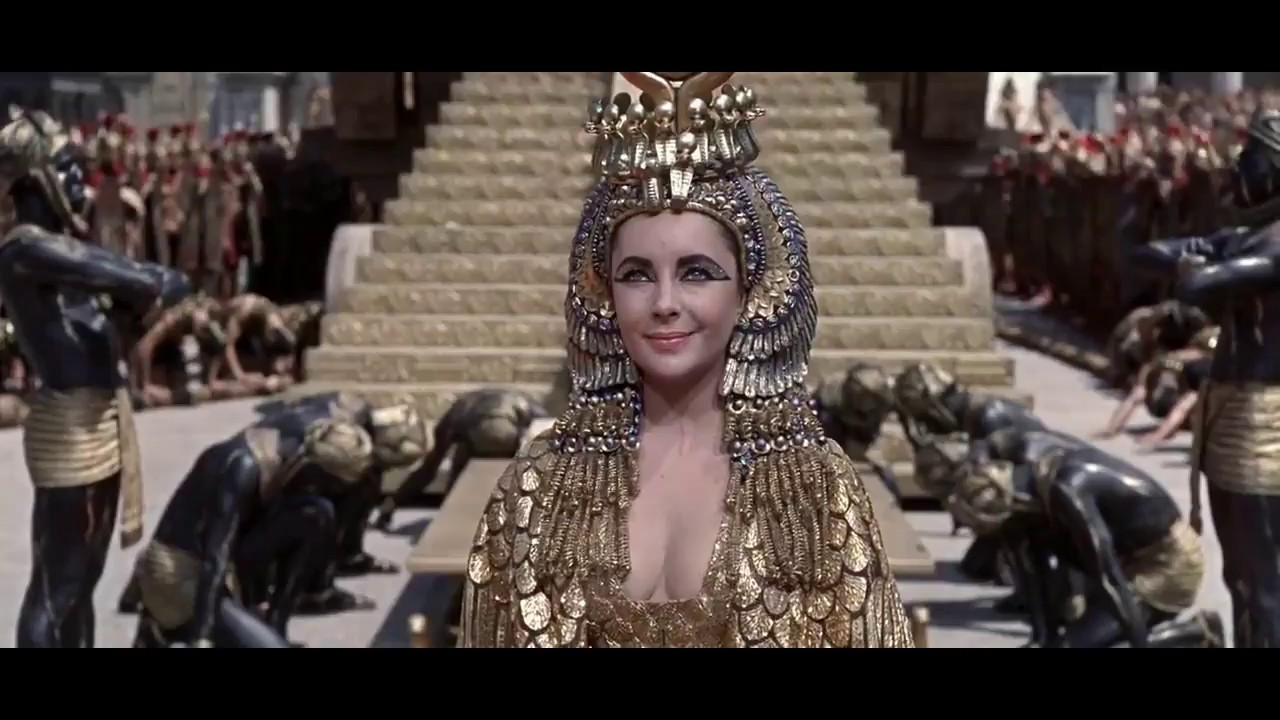
When Elizabeth Taylor appeared as Cleopatra in the 1963 historical drama, cinema audiences around the world witnessed not just a film — but a spectacle. “Cleopatra” remains one of the grandest and most infamous productions in Hollywood history, a movie that defined an era when storytelling was painted on a colossal canvas of real sets, costumes, and orchestras, long before CGI could even dream of achieving the same awe.
With an astronomical budget of $44 million — equivalent to over $426 million today — “Cleopatra” became both a cinematic wonder and a cautionary tale. 20th Century Fox nearly went bankrupt bringing ancient Rome and Egypt to life, but what they created was something truly unforgettable: an authentic epic crafted by thousands of artisans, extras, and actors working under the Mediterranean sun.
A Monument to Old Hollywood Ambition
The film’s legendary production is almost as famous as the movie itself. From Taylor’s on-set illnesses and romantic entanglements with Richard Burton to the constant rewrites and delays, “Cleopatra” was chaos captured on celluloid. But amid that chaos emerged a masterpiece of pageantry.
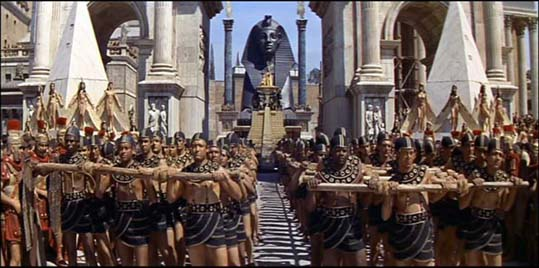
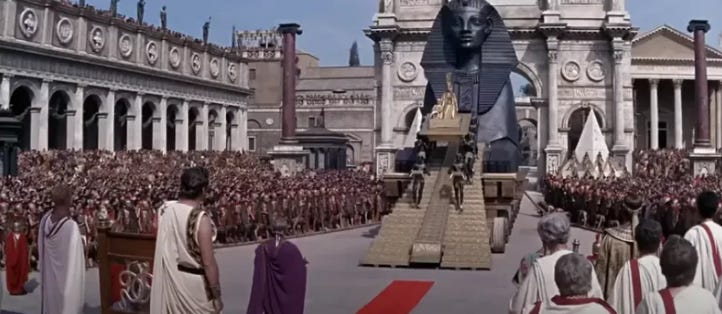
The grand entrance of Cleopatra into Rome, one of cinema’s most iconic scenes, perfectly captures why the film still fascinates people today. With thousands of real extras, hand-made costumes, and monumental sets, it wasn’t computer graphics that dazzled — it was sheer human effort.
As one film lover put it:
“This scene always impressed me and even more so now because they are all real actors in that scene. Nothing computer generated.”
Another viewer added what many cinephiles feel when watching these golden-era epics:
“You’ll never see anything like that in movies ever again.”
The Power of the Original Score
One of the most passionate debates surrounding “Cleopatra” even today revolves around Alex North’s score — the musical heartbeat of the film. Many modern re-releases or trailers have replaced the original orchestral music with modern tracks, a move that longtime fans see as almost sacrilegious.
“Alex North’s score is a MAJOR component of this unforgettable scene,” wrote one admirer. “Replacing it is ghastly.”
In an age where trailers often rely on recycled pop tracks, it’s easy to forget how essential music once was in shaping the emotional core of a film. North’s score didn’t just accompany the action — it defined it, elevating Cleopatra’s procession from spectacle to symphony.
A Bygone Era of Cinema
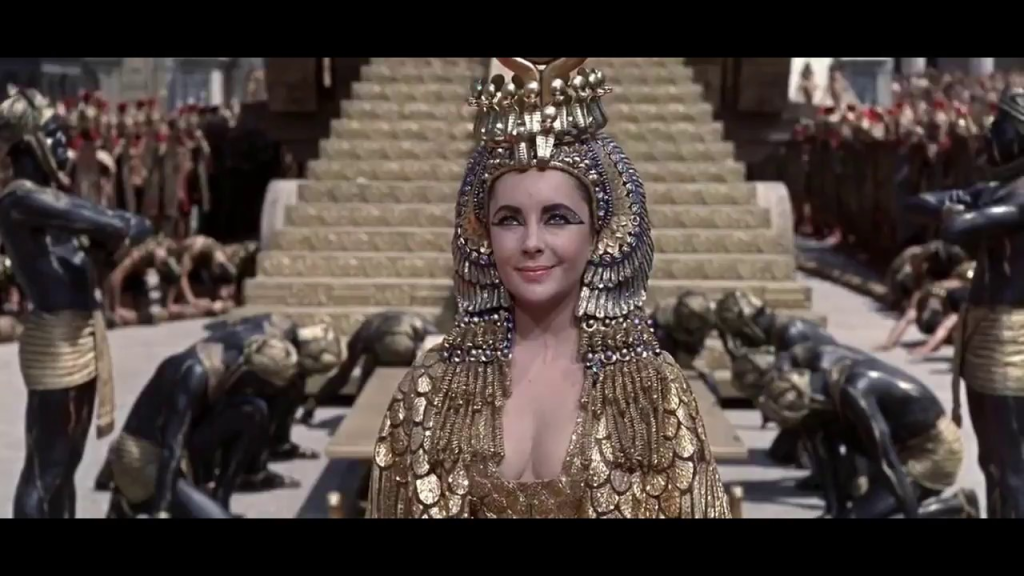
What truly captivates modern audiences revisiting “Cleopatra” isn’t just its visual scale, but the craftsmanship behind it. Every costume, every piece of jewelry, every background figure was real. It took thousands of hours of work — not algorithms — to fill the screen.
“The scale at which movies used to be made… no computer generations… just scores of people, costuming, and set design to create an entire world within a story,” one commenter reflected. “As a lifelong creative, this is absolutely thrilling to me.”
The sense of awe, of human labor and artistry, is what so many miss in today’s cinema — where digital effects often replace the tactile beauty of real craftsmanship.
The Legacy Lives On
Despite the turmoil and its uneven pacing, “Cleopatra” endures as a time capsule of a vanished Hollywood — a time when studios dared to dream bigger than life itself. It was, as one user joked, “the Waterworld of its day” — a film so ambitious it bordered on madness, but one that left a permanent mark on movie history.
Watching it today feels like stepping into a world that no longer exists — one where imagination was built by hand, and where movie magic wasn’t digital, but human.
And as one nostalgic viewer put it perfectly:
“We just don’t have epics like this anymore. Studios will try with green screens and AI, but it will never eclipse this level of awesome.”
In the End
“All Roads Lead to Rome” — and all great cinematic roads seem to lead back to Cleopatra.
It remains a testament to a time when film wasn’t just entertainment — it was art, passion, and ambition on a scale that may never be seen again.
Because while technology evolves, one truth remains: no computer can recreate the soul that Elizabeth Taylor and thousands of real people poured into that shimmering, golden world of Cleopatra.












Post Comment