When Prisoners Became Heroes.
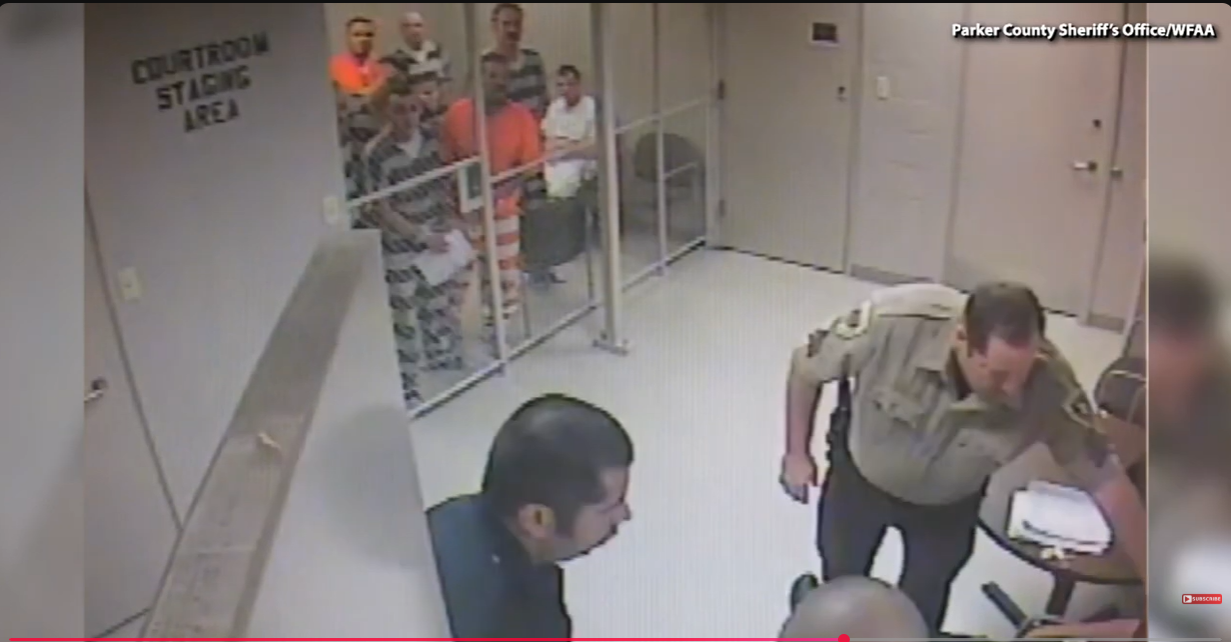
Texas Inmates Risk Everything to Save Guard in Heart-Stopping Act of Humanity
In a Texas jail, where walls are built for separation and suspicion is constant, an extraordinary act of courage and compassion recently unfolded, challenging every stereotype about life behind bars.
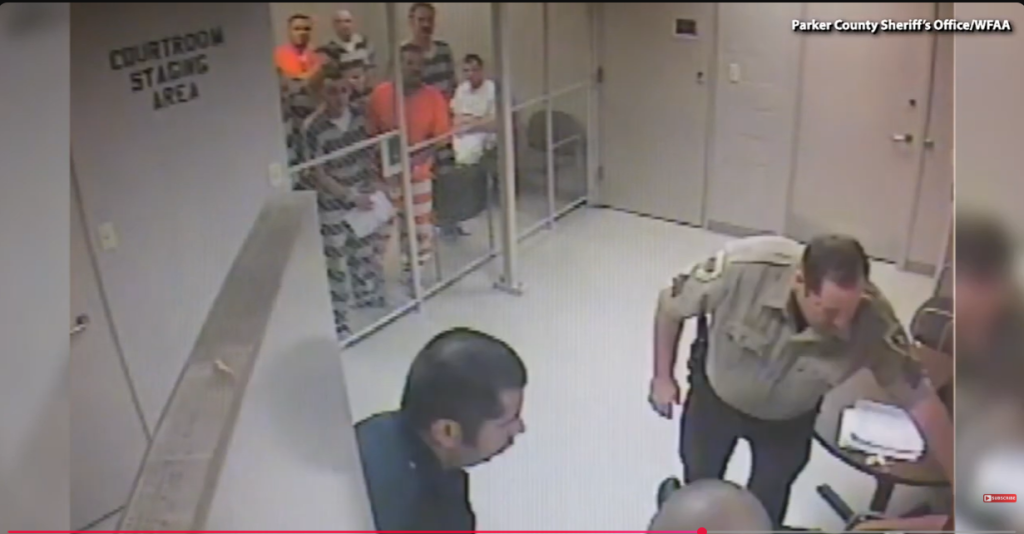
It began as an ordinary afternoon. Eight inmates sat quietly in their holding cell, passing the hours. Outside the bars, a guard—well-known to them for his respectful demeanor—kept watch. Unlike many in his position, he neither mocked nor provoked the men, earning their quiet respect.
Then, without warning, the guard collapsed.
At first, the men assumed he had tripped. But as he lay motionless on the floor, a palpable panic spread. His radio clattered beside him. No other staff were nearby, and the sterile corridor echoed with an eerie silence.
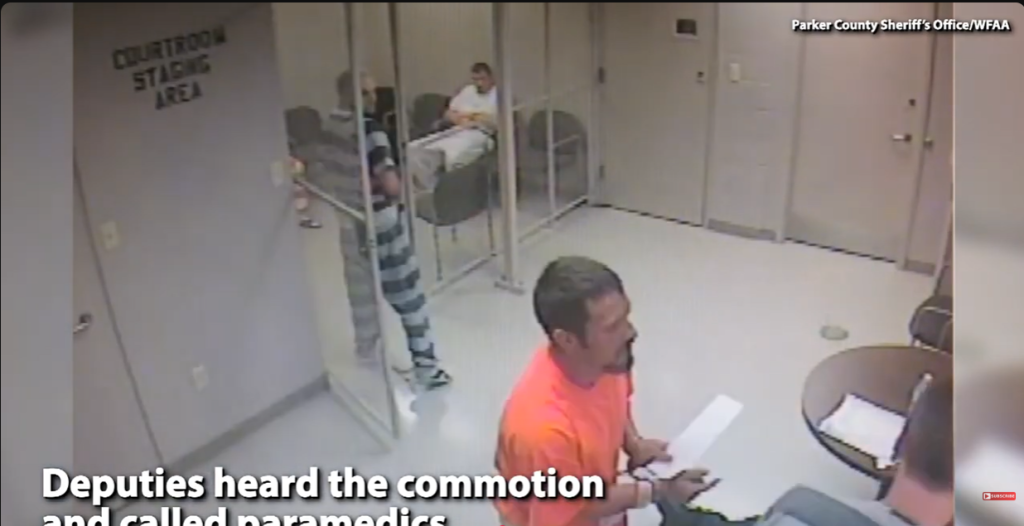
“We have to get out,” one inmate said, the urgency in his voice cutting through fear. “He’s dying.”
Determined, the men began pounding the metal door, kicking and shouting with all their strength. Their combined effort was enough to dislodge the lock, and when the door finally swung open, they rushed to the guard—not for freedom, but to save a life.
Several inmates knelt beside him, attempting to rouse him. One removed the guard’s radio and called desperately for help, while another, hands still cuffed, administered chest compressions. Others banged on doors and walls, drawing the attention of colleagues.
When additional officers arrived, they initially feared an escape attempt. But they quickly realized the reality: prisoners were tending to a fallen guard, putting his survival above their own risk.
Paramedics soon arrived, reviving the officer after he had suffered cardiac arrest. As he was carried out on a stretcher, one inmate whispered, “Hang on, man. You’re gonna be okay.”
When asked why they acted with such urgency, their answer was simple: “He was a good man,” one inmate said. “He treated us like people. We couldn’t just watch him die.”
The story quickly captured national attention—not as a tale of prisoners or authority figures, but as a testament to the enduring power of human decency. The sheriff’s office publicly thanked the men, acknowledging that their quick, decisive action had saved a life. Some inmates later noted they did not expect accolades—they simply did what anyone should do.
For a fleeting but powerful moment, the walls between “us” and “them” disappeared. Titles, uniforms, and divisions faded. What remained was basic humanity: one man fighting for his life, and others risking everything to ensure he survived.
In a society often defined by mistakes and labels, this moment served as a stark reminder that courage and compassion can exist in the most unexpected places—even behind locked doors.












Post Comment