Be very careful if it comes out in your mouth, you are infected

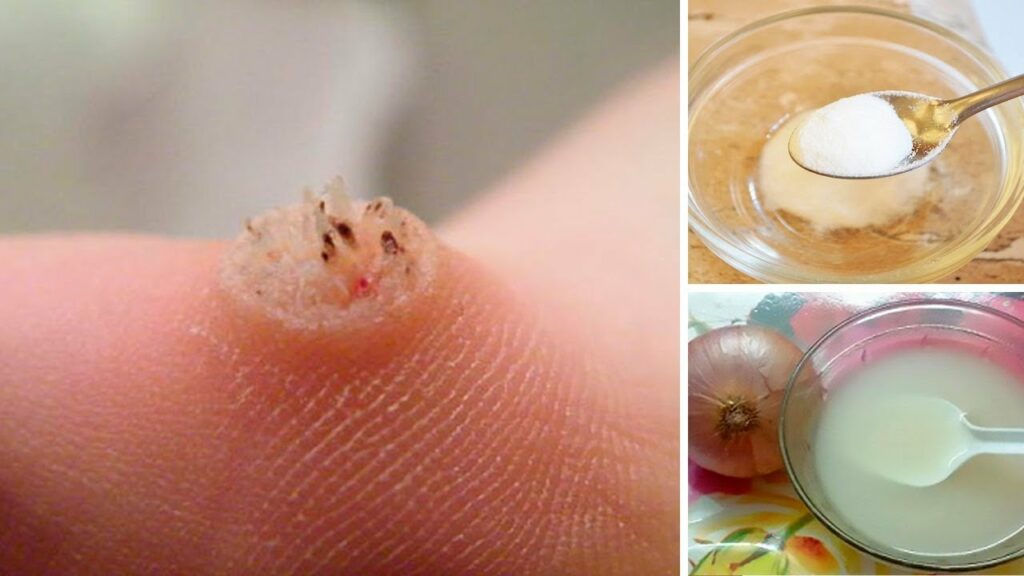
Warts are common skin growths caused by the human papillomavirus (HPV). They can appear on various parts of the body and can be bothersome both physically and cosmetically.
While there are medical treatments available, many people prefer to try natural remedies at home. Below are several natural methods that are commonly used to remove warts, along with their potential benefits.
It’s important to note that while some people find success with these remedies, scientific evidence supporting their effectiveness is limited.
Always consult with a healthcare provider, especially if you have large or painful warts.
1. Apple Cider Vinegar
How It Works: Apple cider vinegar (ACV) contains acetic acid, which is believed to help break down the tissue of the wart. Additionally, it has antiviral properties that may help target the virus causing the wart.
2. Garlic
How It Works: Garlic contains compounds with antiviral, antifungal, and antibacterial properties, which can be beneficial for wart removal.
Method: Crush a fresh garlic clove and apply the crushed garlic directly to the wart.
Cover the wart with a bandage for a few hours each day before rinsing it off. Repeat the process daily for two weeks or until you notice a change in the wart’s appearance.
3. Banana Peel
How It Works: Banana peel contains enzymes that are thought to help dissolve the wart tissue over time.
Method: Cut a small piece of banana peel and place the inner side of the peel against the wart.
Secure it with a bandage and leave it on overnight. Repeat this process every night before bed.
Over time, the wart may begin to fade or diminish in size.

4. Tea Tree Oil
How It Works: Tea tree oil is well known for its antiviral, antiseptic, and antifungal properties, making it a popular remedy for wart removal.
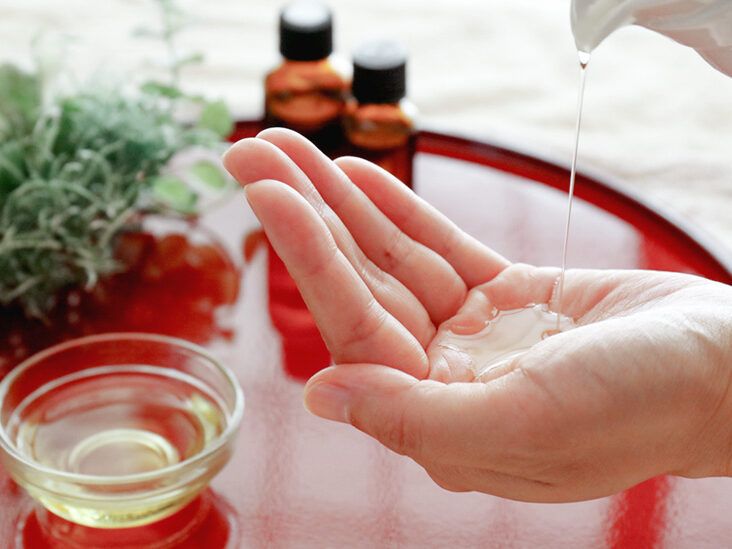
Method: Apply a drop of diluted tea tree oil to the wart using a cotton swab.
Cover it with a bandage and leave it on for several hours.
You can do this twice daily.
If irritation occurs, dilute the tea tree oil with a carrier oil, such as coconut or olive oil, before applying.
5. Aloe Vera
How It Works: Aloe vera contains malic acid, which is believed to help break down the wart’s tissue.
It’s also soothing and anti-inflammatory, which may help reduce irritation and promote healing.
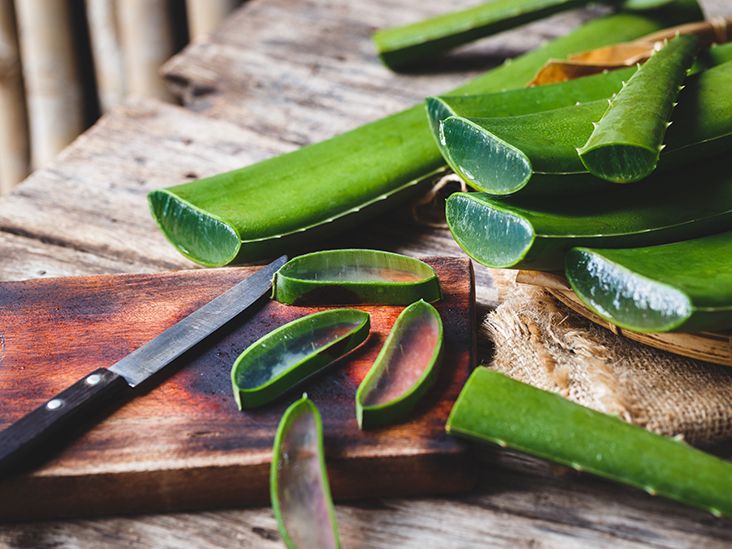
Method: Apply fresh aloe vera gel directly to the wart.
Cover it with a bandage and reapply the gel throughout the day as needed. Continue the treatment daily until the wart fades or shrinks.
6. Duct Tape Occlusion Therapy
How It Works: Duct tape occlusion therapy works by suffocating the wart, preventing oxygen from reaching it and encouraging the body’s immune system to fight the infection.
This method has been backed by some studies and is commonly recommended by healthcare providers.
Method: Cut a small piece of duct tape and place it over the wart, making sure it is fully covered.
Leave the duct tape on for six days. After that, soak the wart in warm water and gently rub it with an emery board or pumice stone.
Repeat the process for a few weeks until the wart disappears.

Precautions and Tips for Wart Removal:
- Be Patient: Natural remedies generally take longer to work than medical treatments. It could take several weeks or even months for results to be visible, so consistency is important.
- Watch for Skin Reactions: Always monitor the area for any signs of irritation or allergic reactions. If you experience redness, swelling, or pain, discontinue use and consult a healthcare professional.
- Keep the Area Clean: Ensure the area around the wart remains clean to avoid spreading the virus. Do not pick at or scratch the wart, as this can cause the virus to spread to other areas of the skin.
- Consult a Doctor: If the wart becomes painful, grows larger, or does not respond to home treatments, seek advice from a healthcare provider. Some warts may require professional removal methods such as cryotherapy (freezing), laser therapy, or minor surgery.
When to Seek Professional Help:
While these home remedies can be effective for many people, they might not work for everyone.
Not all types of warts will respond to these treatments, especially if the wart is large, located in sensitive areas, or caused by a more aggressive strain of HPV.
If the wart shows no improvement after several weeks, grows larger, or spreads to other areas, it’s important to seek professional help.

Common Medical Treatments for Warts:
- Cryotherapy: A healthcare provider may freeze the wart with liquid nitrogen, causing it to fall off after several treatments.
- Salicylic Acid: Available over-the-counter, this topical treatment softens and dissolves the wart over time.
- Laser Therapy: This method uses a laser to destroy the wart tissue.
- Minor Surgery: In some cases, warts may need to be removed through minor surgical procedures.

Conclusion:
Warts can be an annoying and sometimes embarrassing skin condition, but with patience and the right treatment, they can often be managed at home.
While natural remedies like apple cider vinegar, garlic, and duct tape may help remove warts, it’s important to understand that they may not work for everyone.
If you don’t see results or if the wart worsens, professional medical treatment may be required.
Always prioritize safety, and if in doubt, consult with a healthcare professional for advice tailored to your specific condition.












Post Comment