Behind the Music: Surprising ‘Born to Run’ Facts
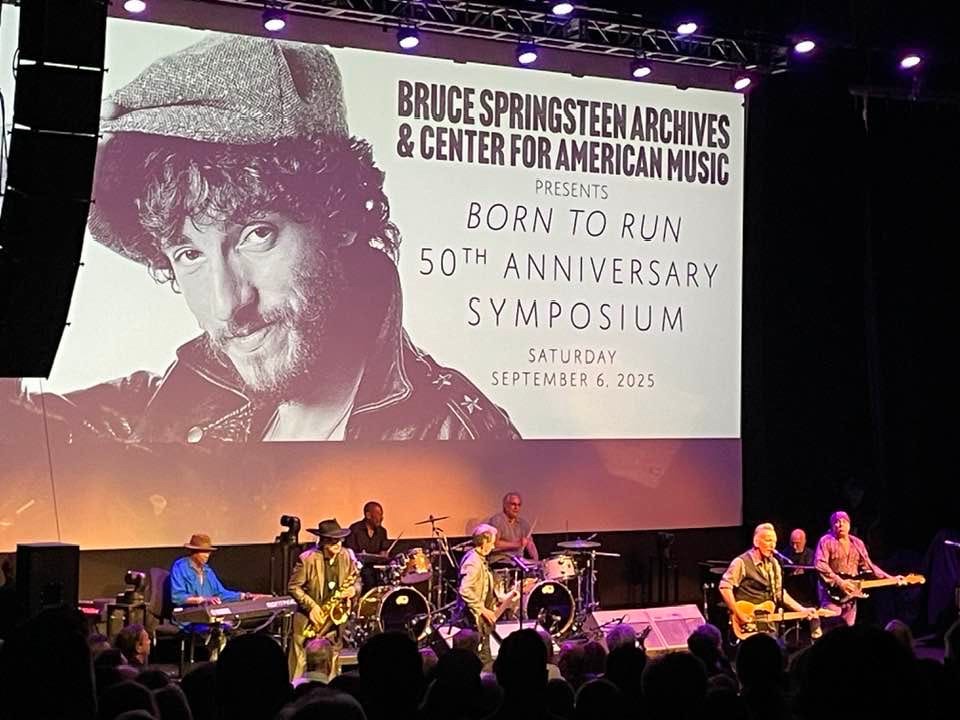
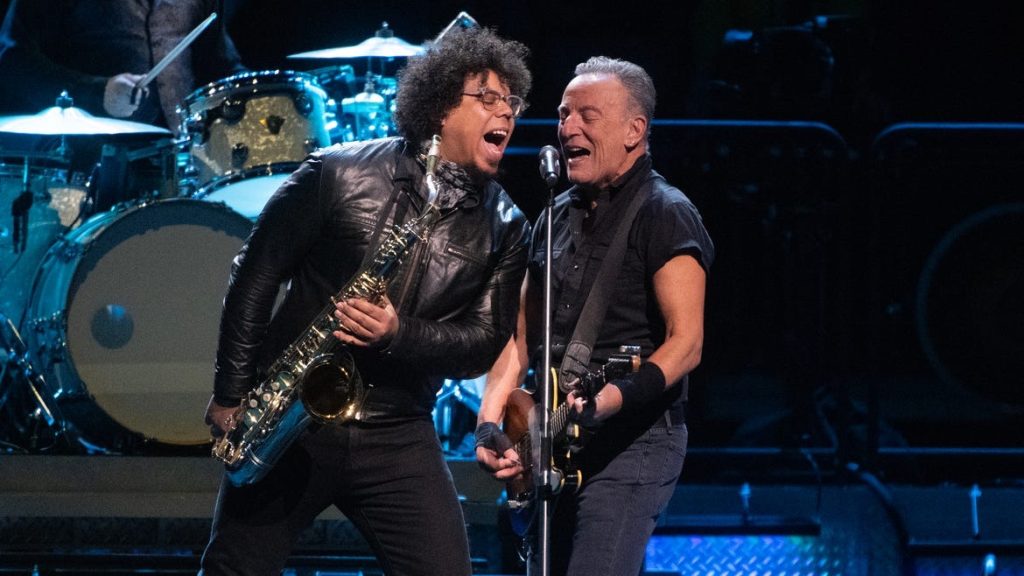
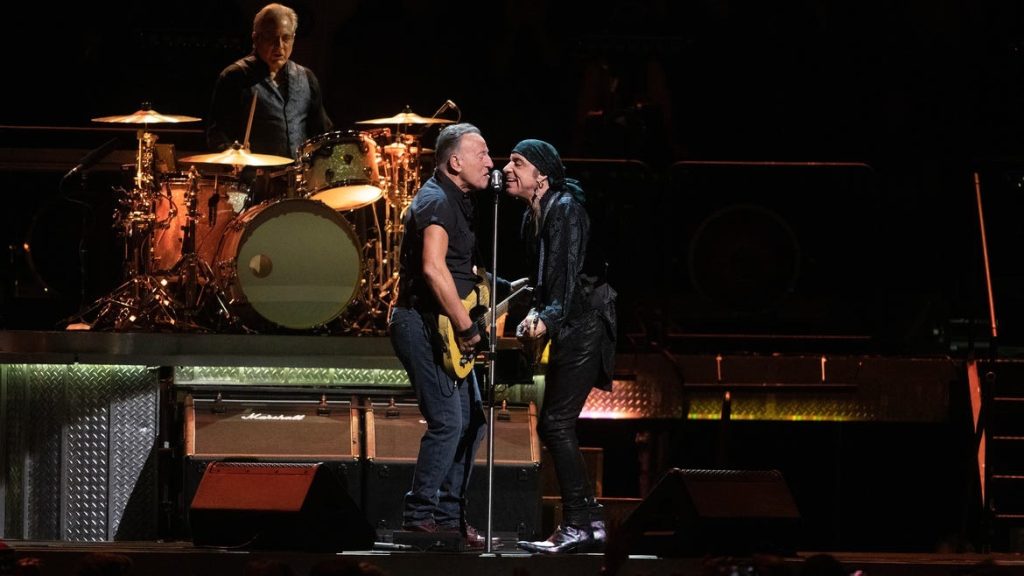
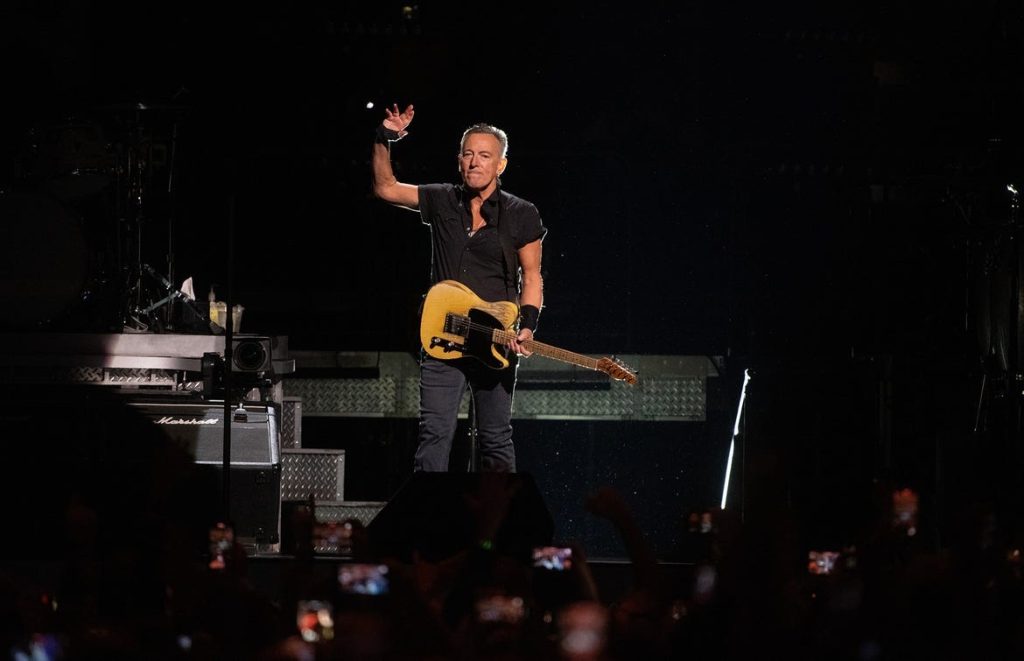
A two-song performance of “Thunder Road” and “Born to Run” by Bruce Springsteen and the E Street Band marked the grand finale of the Bruce Springsteen Archives and Center for American Music’s “Born to Run” 50th anniversary main event on September 6 at the Pollak Theatre on Monmouth University’s campus in West Long Branch.
The performance was historic: pre-1975 E Street Band members David Sancious on keyboards and Ernest “Boom” Carter on drums joined the band, complementing Max Weinberg on drums, Steven Van Zandt on guitar, Garry Tallent on bass, Roy Bittan on piano, and Eddie Manion on sax. Their reunion created a powerful, once-in-a-lifetime musical moment that thrilled the audience.
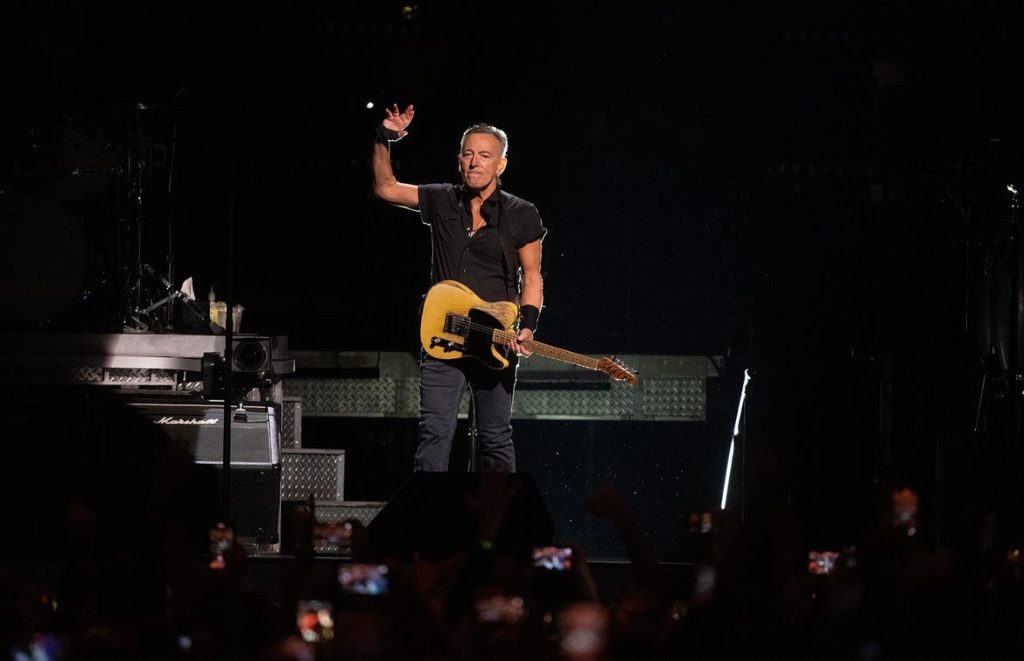
The performance capped off a magical day filled with memories, revelations, and laughter during multiple panels. Springsteen participated in three, including a particularly revealing discussion with Bob Santelli, founding executive director of the Springsteen Archives, about the writing of “Born to Run.”
Springsteen wrote the song just a few blocks away from the Pollak Theatre, in a modest bungalow on West End Court in Long Branch. One fun revelation from the session: “Who was Wendy from ‘Born to Run’?” Springsteen explained that he chose the name because he had a Peter Pan poster with Wendy hanging over his bed while writing the song. “Yeah, I’m not sure how it speaks to my adult life,” he said to laughter. “Actually, it explains quite a bit about that, but I had it up right over my bed and I was writing the song, and I said, ‘Oh, Wendy!’”
Another insight revealed Springsteen’s New York City subway inspiration. He discovered early musical influences in a record shop in the subway, where he browsed repressed singles, including Duane Eddy, Phil Spector, and the Beach Boys. “I wanted to write about the basic subjects of rock ‘n’ roll — cars and girls — but in a way that was uniquely mine,” Springsteen said. He also cited the beginning of Little Eva’s 1962 hit ‘The Loco-Motion’ as a melodic spark for “Born to Run.”
The song’s underlying ‘dread factor’ was another intentional layer. Springsteen wanted to root the song in classic rock traditions while reflecting the turbulence of the early 1970s — Vietnam, Watergate, gas lines, and economic uncertainty. “I knew I had to put my characters in the car, but I had to put all these things in the car with them — loss of innocence, cynicism, and a lot of dread,” he said.