Chuck Barris’ The Gong Show, if you grew up in the 70s you probably still remember it
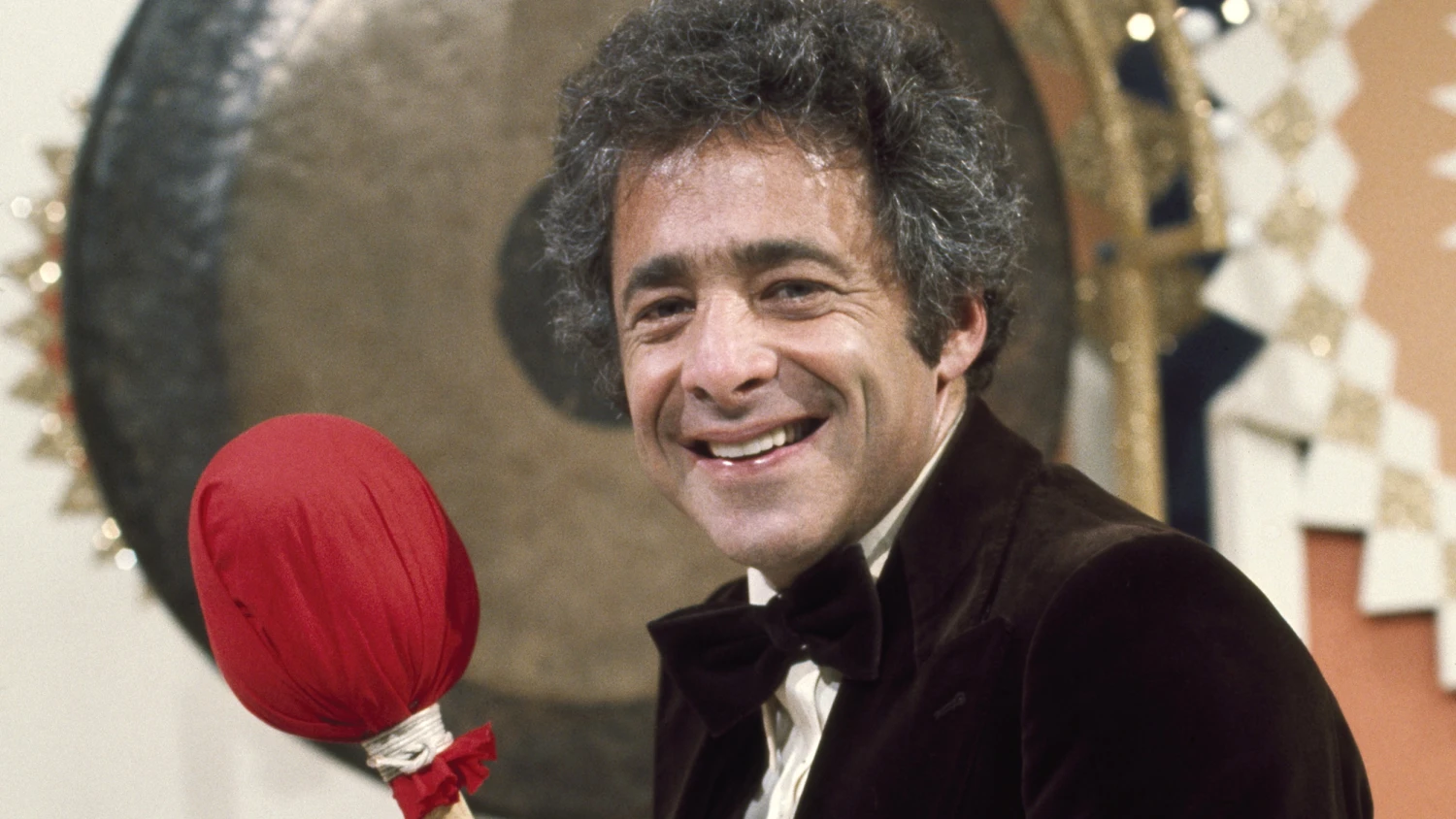
Before America’s Got Talent ever dazzled us with its golden buzzers, flashing lights, and celebrity judges, there was another variety show that brought ordinary people with extraordinary (and sometimes questionable) talents into the spotlight: The Gong Show.
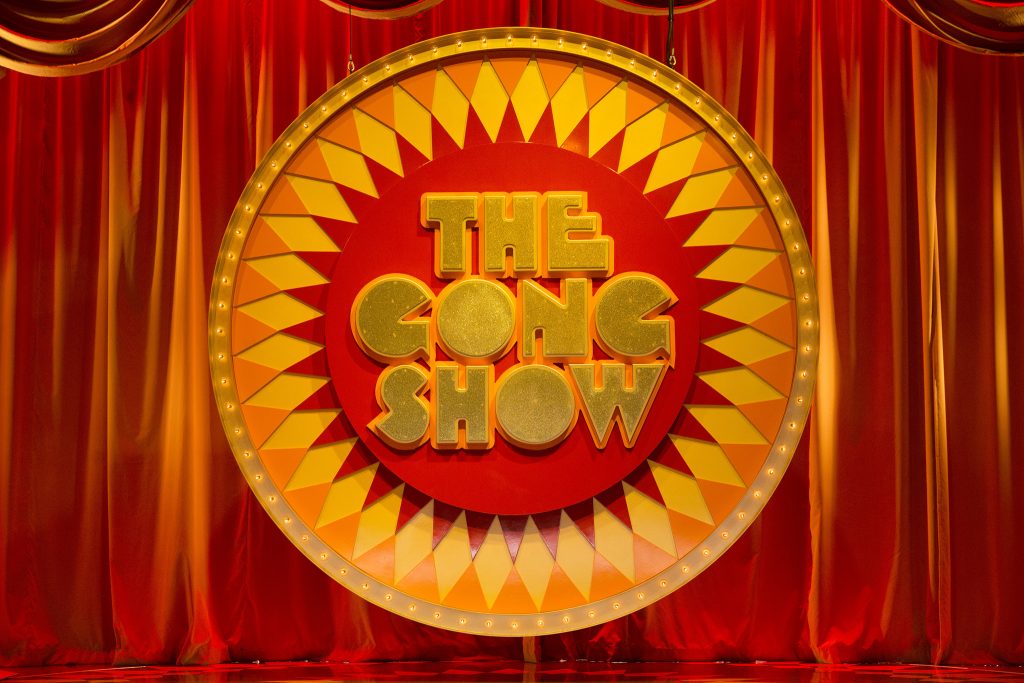
For anyone who grew up in the 1970s or caught reruns later on, this quirky gem remains unforgettable. Hosted by the eccentric Chuck Barris, The Gong Show was unlike anything else on television at the time. It was part talent competition, part comedy sketch, and part carnival sideshow. And at the heart of it all was one iconic prop: the gong.
The Spirit of the Gong
The idea was simple. Contestants would step on stage and perform whatever talent they had—sometimes singing, sometimes dancing, sometimes something so bizarre you weren’t even sure what you were watching. A panel of celebrity judges would watch closely, often giggling or grimacing. If they liked what they saw, the contestant might finish the act and get scored. But if the act was too strange, unbearable, or hilariously bad, a judge would stand up and slam the gong. The booming sound cut the performance short, sending the contestant offstage in a mix of laughter and embarrassment.
This concept created one of the most unpredictable and entertaining shows in TV history. You never quite knew what you’d see. One moment it could be a truly talented singer, the next it might be someone juggling bananas while reciting Shakespeare. That unpredictability was the magic of The Gong Show.
A Different Kind of Talent Show
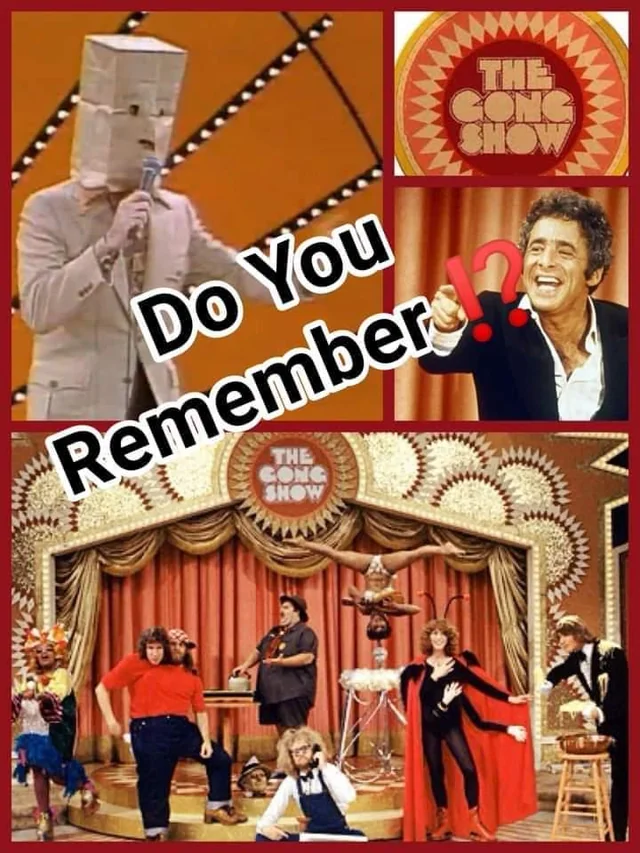
Unlike today’s polished productions, The Gong Show didn’t strive for perfection. It embraced the weird, the amateurish, and the downright goofy. Where modern talent competitions often chase viral fame or big recording contracts, Barris’s creation leaned into spontaneity and silliness.
It was also one of the first shows to celebrate “ordinary” people in a big way. These weren’t professional entertainers chasing superstardom—they were everyday folks who had a crazy idea and the courage to put themselves out there. Sometimes they surprised everyone with genuine talent. Other times… well, the gong spoke for itself.
The Host Who Made It Work
A big part of the show’s charm was Chuck Barris himself. He wasn’t your typical slick television host. He danced awkwardly, cracked odd jokes, and often seemed just as entertained (or bewildered) as the audience. His style gave the whole show a laid-back, anything-can-happen feel.
Barris once said that he saw himself as more of a ringmaster than a host, and that description fit perfectly. He encouraged the absurdity, laughed with the contestants, and never let the show take itself too seriously. In today’s world of heavily scripted reality TV, his loose and carefree approach feels almost refreshing.
More Than Just the Gong
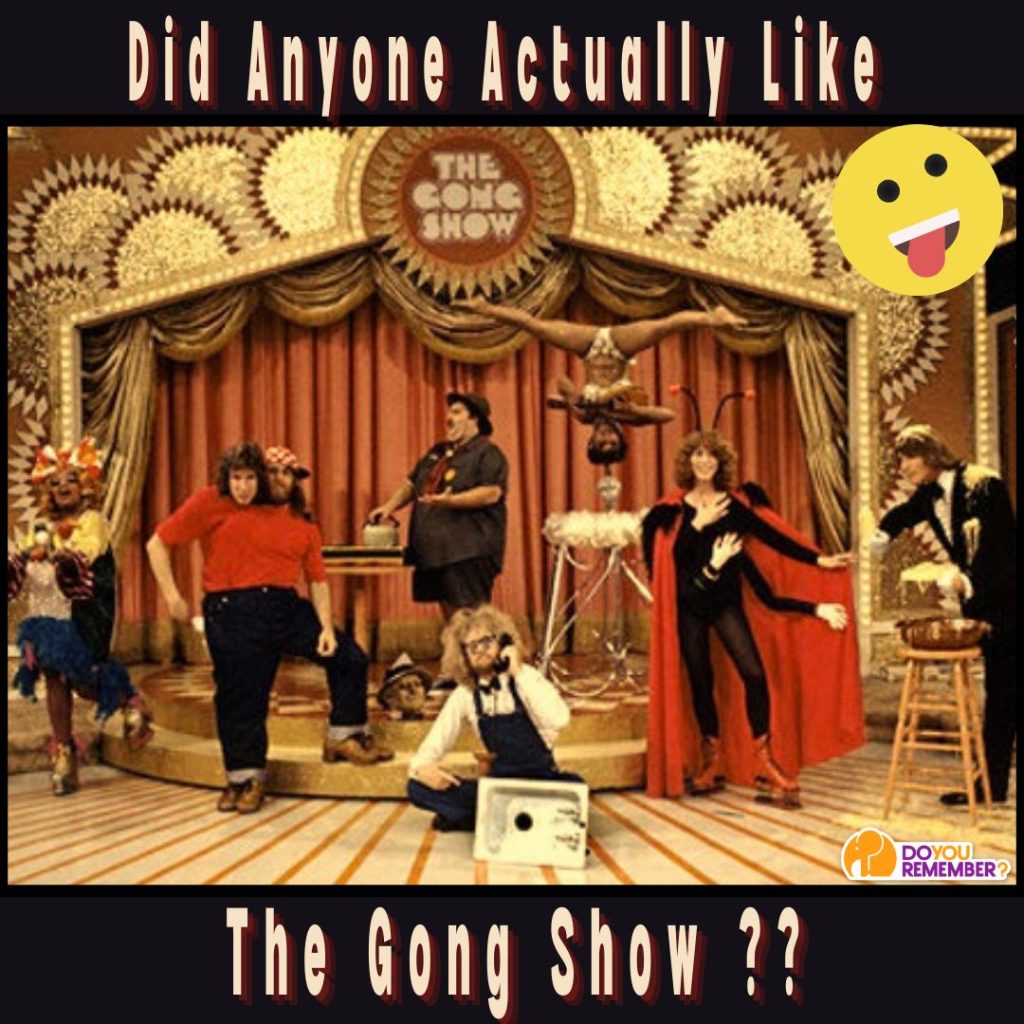
Of course, it wasn’t all chaos. There were contestants who truly blew audiences away, showing off real skills that could rival anything seen on modern stages. The mix of talent—both real and ridiculous—was what kept people watching. Some even argue that The Gong Show was ahead of its time, laying the groundwork for the modern wave of talent competitions.
If you think about it, the DNA of shows like America’s Got Talent, American Idol, and even The X Factor can be traced back to that giant gong. They all feature a mix of hopefuls, dreamers, and eccentrics who step on stage with the chance to wow an audience—or crash and burn spectacularly.
Why We Loved It
For those of us who remember it, The Gong Show wasn’t just television—it was an event. Families would gather around the TV, not knowing if they’d see something amazing, something bizarre, or something that would have everyone doubled over in laughter.
It brought people together in a way that feels rare now. Today, talent shows are sleek, international franchises with multimillion-dollar budgets. Back then, it was simpler, sillier, and somehow more personal. It wasn’t about producing the next superstar; it was about enjoying the ride.
Nostalgia for the Gong
Looking back, The Gong Show feels like a time capsule from a different era of television. It reminds us of a time when TV could be loose, experimental, and a little wild. While America’s Got Talent may be its spiritual successor, there’s something uniquely charming about the original.
It wasn’t perfect—far from it—but that was the point. Its imperfections made it human, relatable, and endlessly fun. And for many of us, it represents the joy of watching TV “back in the day,” when a giant gong could turn an ordinary Tuesday night into a memorable one.
Back in the day, this was our America’s Got Talent. And honestly? Sometimes I think modern shows could use a gong or two.












Post Comment