Michelle Obama’s Brother’s Life Is Opening Our Eyes A Bit

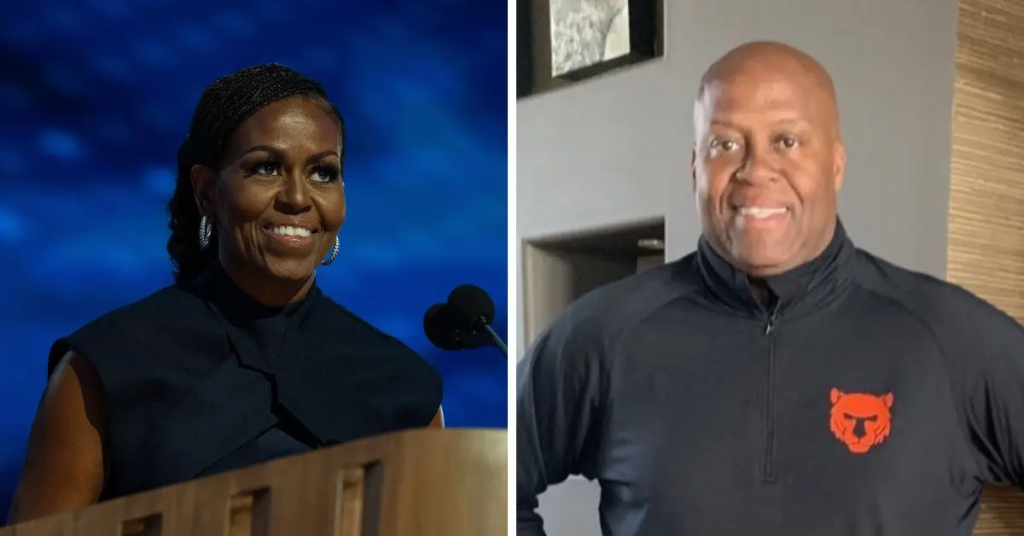
Michelle Obama’s Brother Craig Robinson Is Quietly Redefining What Success Looks Like
When most people hear the name “Robinson” in connection with the Obamas, they immediately think of Michelle. But long before she became First Lady, it was her big brother, Craig Robinson, who was the family star.
A two-time Ivy League Player of the Year at Princeton, a Wall Street high-flyer, a Division I head coach, and now one of the most influential voices in college basketball, Craig has built a life story that stands completely on its own.
And the more you learn about him, the more you realize: this isn’t just Michelle Obama’s brother. This is someone who has quietly shaped locker rooms, boardrooms, and the future of college sports.
Growing Up on Chicago’s South Side
Craig Malcolm Robinson was born on April 21, 1962, as the first child of Fraser and Marian Robinson. He and his younger sister Michelle grew up in a modest apartment on Chicago’s South Side. Their father worked at the city water plant despite battling multiple sclerosis, and their mother was a secretary who pushed both kids academically.
Craig stood out early. He learned to read ahead of his age, skipped a grade, and quickly became known not just as an athlete, but as a standout student. Basketball was his passion, but education was the true currency in the Robinson home.
When college recruiters began calling, Craig had options. But his father insisted he choose a school that valued academics just as highly as athletics. That’s how Craig ended up at Princeton University.
Princeton Star With an Ivy League Mindset
At Princeton, Craig became one of the greatest players in program history. He earned Ivy League Player of the Year twice and remains one of Princeton’s top scorers. Known for efficiency and intelligence on the court, he was the kind of player who made everyone around him better.
Off the court, he studied sociology, focusing on social structure and justice issues — showing early signs that he was thinking far beyond basketball.

After graduation, he was drafted by the Philadelphia 76ers but chose to play professionally in the U.K. before shifting careers completely.
Walking Away From Wall Street Money
After basketball, Craig earned an MBA from the University of Chicago and entered the world of finance. He climbed quickly, becoming a vice president at major financial firms and eventually a partner at a respected investment company.
He had the salary, the prestige, and the stability most people dream of.
And then he left it behind.
Craig realized that what truly made him happy wasn’t finance — it was mentorship, teaching, and the game of basketball. So he traded a comfortable Wall Street lifestyle for the uncertain grind of coaching, starting from the bottom and working his way back into athletics.
It was a bold, values-driven choice that defined the next chapter of his life.
Building Teams and Character as a Coach
Craig returned to basketball as an assistant coach at Northwestern University, eventually becoming head coach at Brown University and later Oregon State University.
At Brown, he helped transform a struggling team into a competitive force. His players often said he taught them more than basketball — he taught discipline, leadership, communication, and even vocabulary to help them succeed in life.
At Oregon State, he inherited a team in turmoil and restored structure, pride, and confidence. While results varied season to season, his impact on culture and character development was undeniable.
From the Sidelines to the Front Office
After college coaching, Craig joined the NBA world. He held leadership positions with the Milwaukee Bucks and later the New York Knicks, guiding player development and organizational culture. His role focused on preparing young athletes for the mental, physical, and professional demands of the league.
Eventually, he transitioned into an even broader leadership role as Executive Director of the National Association of Basketball Coaches, where he now influences decisions affecting college basketball programs nationwide.
It’s a behind-the-scenes position — but one with significant influence.
The Big Brother Behind a Historic Love Story
Craig also played a quiet but important role in one of America’s most famous relationships. When Michelle began dating Barack Obama, she asked her brother to meet him and give his honest opinion.
They played basketball together — and Craig gave his approval.
He saw humility, competitiveness, intelligence, and character. That endorsement helped Michelle feel confident in Barack, long before he became president.
Family, Challenges, and Staying Grounded
Craig has faced personal challenges, including divorce and the pressures that come with public attention. Still, he has remained grounded through family, faith, and the values he learned growing up on the South Side.
He has spoken openly about watching his father go to work every day despite his illness and how that shaped his understanding of strength, responsibility, and resilience.
Today, Craig divides his time between leadership in basketball, mentorship, family life, and occasional media work with Michelle.
Why Craig Robinson’s Story Is Opening Eyes
For many years, Craig Robinson was viewed mainly as the supportive brother of a historic First Lady. But when you look closer, a richer, more layered story emerges:
- He turned childhood discipline into academic and athletic excellence.
- He built a finance career and voluntarily gave it up to pursue purpose.
- He forged a coaching career and then evolved into a national sports leader.
- He remained true to the humble, hardworking lessons of his upbringing.
Craig Robinson’s story doesn’t need a spotlight to be remarkable — it already is. He reminds us that greatness isn’t always loud. Sometimes, it’s the quiet, steady pursuit of doing what’s right, even when it means starting over.
And maybe that’s what’s opening our eyes: realizing that behind Michelle Obama stands a brother who built a legacy entirely his own — grounded in integrity, discipline, and the willingness to choose meaning over comfort every single time.












Post Comment