Doctor warns five common supplements can cause deadly heart attacks and liver failure
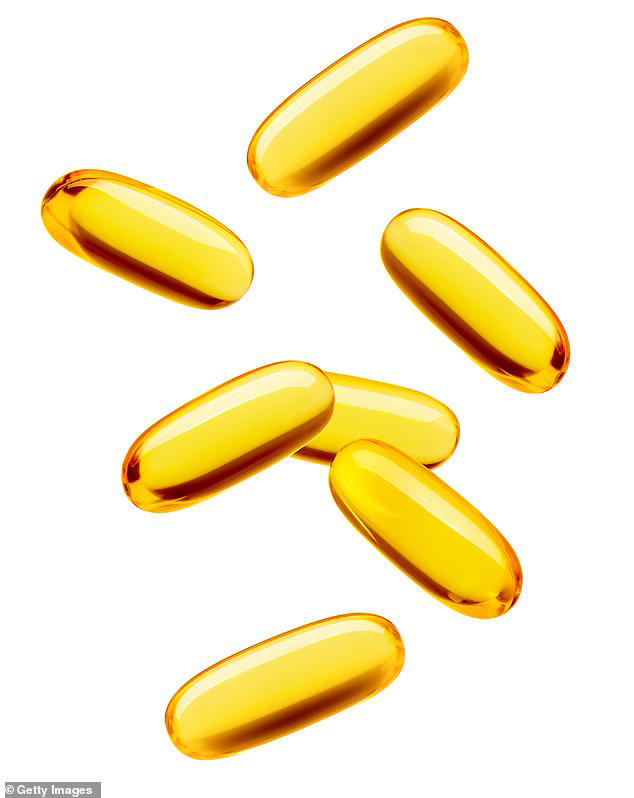
A top heart doctor has revealed the insidious supplements and capsules that could increase your risk of a heart attack as well as liver failure.
Dr Evan Levine, a cardiologist at Mount Sinai in New York, told DailyMail.com that certain vitamin and plant-based supplements can cause long-term damage to the body.
He also noted that apart from this, certain gel capsules can also harm heart health — paving the way for strokes.
According to the CDC, over 800,000 Americans either experience a heart attack or stroke each year.
About 138,000 Americans died from stroke in 2020 while one American dies of some form of heart disease every 33 seconds. However, an increasing number of young adults have recently reported suffering an attack.
About 5million Americans have some form of liver disease and nearly 60,000 people die from liver failure each year.
So, while taking supplements may seem like the healthy thing to do, if you’re not taking them correctly, they could do more harm than good.
Here are the five supplements Dr Levine warned were the most dangerous for heart and liver health:
Niacin (Vitamin B3)
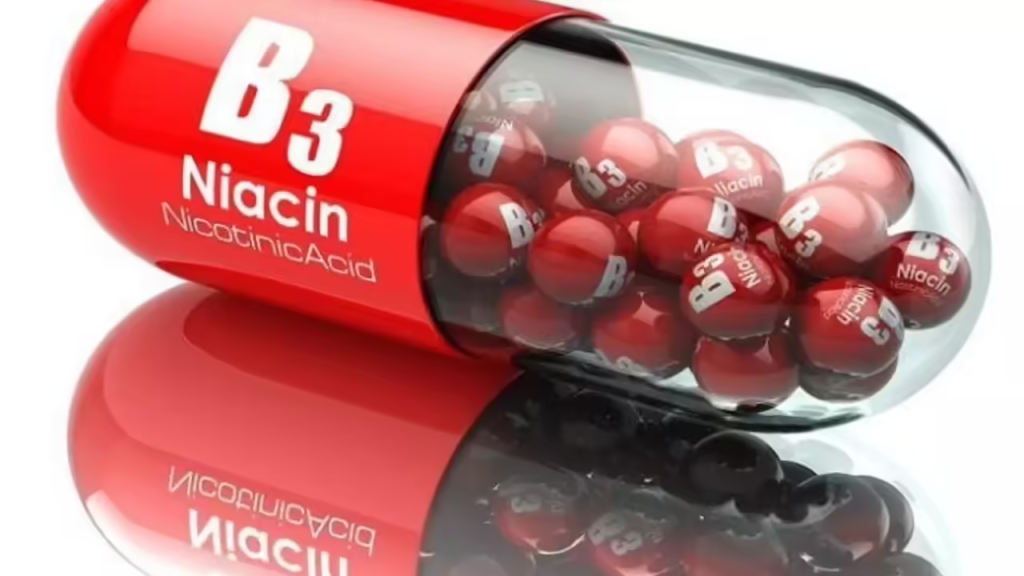
Niacin, also known as Vitamin B3, plays a vital role in various bodily functions, including energy production, nervous system, skin and digestive regulation.
Food items such as red meat, fish, brown rice, nuts, seeds, legumes and bananas are typically excellent sources of the crucial vitamin.
However at times, it may be prescribed as a supplement to those with high cholesterol levels and for arthritis relief.
But according to Dr Levine, consuming niacin can cause damage to the heart as it causes inflammation which can lead to damage in the blood cells.
A 2024 Nature Medicine study found that consuming niacin can double the risk of developing cardiovascular diseases.
The researchers found that the supplement can form plaque in arteries, which can contribute to damage in the blood vessels and interrupt blood flow.
According to experts, the recommended amount of niacin is 14–18 mg/day for adults and a dose between 2,000 and 6,000 milligrams of niacin a day can cause serious damage to the heart.
Additionally, Dr Levine also told the website: ‘High doses of vitamin B3 can lead to liver toxicity and hepatitis which can cause various health issues (including liver failure).
Green tea extract
Like green tea, green tea extract is a great source of antioxidants that can promote heart, liver and brain health, improve the skin and reduce the risk of cancer.
According to experts, a single capsule of the extract contains the same amount of active ingredients as an average cup of green tea.
However, Dr Levine warns against consuming green tea extract in excess as it can be toxic for liver health.
He noted: ‘While green tea itself is safe, especially when consumed as a beverage but green tea extract, especially in high doses, can pose a risk to liver health.
‘The liver injury is often hepatocellular, anti it affects liver cells directly, and can range from mild elevations in liver enzymes to severe cases requiring liver transplantation.’
Previous research has shown the excessive amounts of green tea antioxidants, particularly EGCG, can saturate and overwhelm the liver — leading to damage and disease.
While damage is not commonly seen in healthy people, those with anemia, bleeding disorders, heart conditions, diabetes, glaucoma and previous liver problems are at the highest
The European Food Safety Authority (EFSA) suggests that doses at or above 800mg per day of green tea extract can be dangerous especially for people who are already taking blood thinners or other such medications for heart conditions.
Erythritol and Xylitol
Popularly used as zero calorie sweeteners, erythritol is often found in products like keto-friendly snacks and sugar-free gum while xylitol is commonly used in chewing gum, mouthwash and toothpaste.
Both sweeteners have also long been approved for use by the FDA as additives and are known to be help control sugar levels in diabetic patients, as well as improve oral health.
However, these additives, both of which can also naturally be found in plants and fruits, can also increase the risk of heart attacks and blood clots.
Dr Levine warned: ‘Erythritol and xylitol, common sugar substituted, can increase platelet aggregation in the body — potentially raising the risk of blood clots and cardiovascular events.’
Additionally, a 2024 Cleveland Clinic study found that eating xylitol can increase the risk of developing blood clots and subsequent heart attacks within three years since starting consumption.
Furthermore, another 2023 Cleveland Clinic study also found that people with high erythritol consumption were about twice as likely to have cardiovascular events over three years of follow-up.
4. Gel supplements
Some supplements come in gel capsules, usually made of phthalates.
At times called plasticizers, phthalates make plastics soft, flexible and more durable, allowing them to be molded into different shapes and withstand a variety of conditions.
Research shows once in the body, the chemical compound irritate the arteries and causes inflammation which makes it hard for blood to flow to and from the heart.
In medicine, they are often used in soft gel capsules, a type of oral pill in which the active drug is encased in a soft, gelatinous shell.
Dr Levine is urging people to limit the amount of soft gel capsules they take. They are commonly used for pain relievers, multivitamins, stool softeners and cough and cold medications.
A 2021 Environmental Pollution study found phthalate exposure was associated with a slightly higher risk of dying from cardiovascular disease.
According to Dr Levine, exposure to phthalates — especially through pills — can cause swelling and irritation in the walls of the arteries that supply blood to the heart, which can lead them to narrow or harden, potentially causing blockages or aneurysms — ballooning in the wall of a blood vessel.
It is usually caused by the buildup of cholesterol and other substances, forming plaques, along the artery walls, but excessive intake of phthalates can also lead to this inflammation.
Experts claim the chemicals also cause oxidative stress, a type of cell and tissue damage caused by an imbalance of molecules in the body.
This can lead to damage in the heart cells, which can impair their function and contribute to inflammation, as well harden artery walls — increasing the risk for a heart attack.
Additionally, phthalates can negatively impact cholesterol levels and potentially increase levels of triglycerides — a type of fat known to cause heart attacks — and low-density lipoproteins in the organ — making a person more susceptible to strokes and heart disease.
5. Overuse of Plant-Based Supplements
While often marketed as natural, some herbal and plant-based products can still cause oxidative stress and liver strain, particularly when combined with prescription medications or taken in high doses.
Dr. Levine advises consulting a doctor before using any supplement long-term.












Post Comment